In today’s fast-changing world, resilience remains a key trait for overcoming adversity, and few stories illustrate this better than Korea’s endurance during the Japanese occupation.
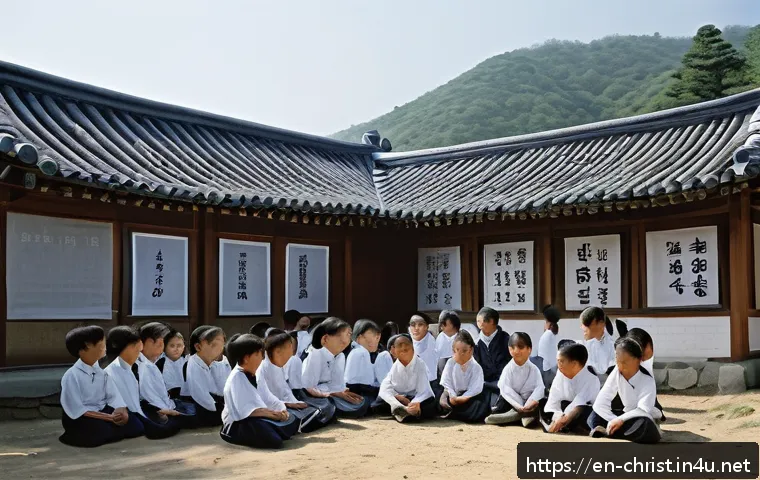
Exploring how Christianity played a vital role in shaping Korean resilience offers fresh insights into the power of faith amid oppression. As we reflect on historical struggles, understanding this connection not only honors the past but also inspires modern readers facing their own challenges.
Join me as we uncover the profound impact of Christianity on Korea’s spirit and strength during one of its most trying eras. This journey promises to reveal lessons that resonate far beyond history books.
The Unseen Pillars: Faith as a Source of Inner Strength
Building Hope in the Midst of Despair
During times of extreme hardship, like those experienced under foreign rule, hope can feel like a fragile thread. What struck me most when studying Korea’s history is how Christianity offered a beacon of hope that was both personal and communal.
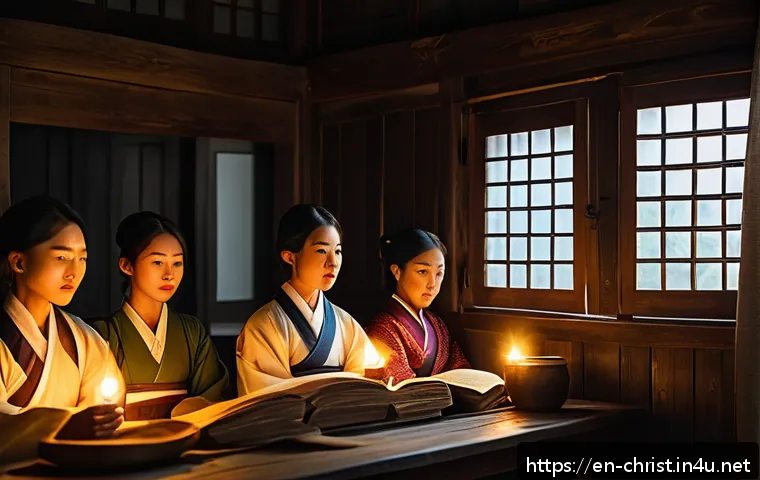
People gathered in secret, sharing prayers and hymns that not only comforted their souls but also forged a sense of unity. These moments of collective worship became lifelines, helping individuals overcome fear and uncertainty.
From what I’ve read and heard from descendants of that era, faith wasn’t just about religion—it was a psychological refuge that nurtured resilience.
Community as a Fortress Against Oppression
Christian communities provided more than spiritual solace; they created safe spaces where people could express their identity freely. In the shadow of cultural suppression, churches became centers for education and social activism.
I found numerous accounts where pastors and laypeople risked imprisonment to teach literacy and spread messages of empowerment. This communal solidarity was crucial because it reinforced a shared purpose.
The church’s role as a protector of cultural values helped preserve a sense of dignity and belonging, which I believe was essential for sustaining resilience over decades.
Faith-Inspired Leadership and Resistance
Leadership emerging from Christian circles was often rooted in principles of justice and compassion, which motivated resistance efforts. I was particularly moved by stories of leaders who used their faith to advocate for peaceful protest and social reform rather than violent rebellion.
This approach, while subtle, laid the groundwork for long-term societal change. The ethical framework provided by Christianity gave these leaders moral authority and a clear vision, which resonated deeply with the populace.
Their example shows how spiritual conviction can translate into effective, principled leadership during adversity.
Spiritual Education as a Catalyst for Empowerment
Literacy and Learning Beyond the Pulpit
One of the most inspiring aspects I uncovered is how Christian missions prioritized education, especially literacy, at a time when such opportunities were scarce.
By teaching people to read and write, often through the Bible, these missions empowered individuals to engage with ideas beyond their immediate surroundings.
I imagine how transformative it must have been for someone to suddenly access knowledge and express themselves in writing. This educational push didn’t just improve individual lives—it planted seeds for future generations to advocate for their rights and freedoms.
Women’s Roles in Faith Communities
Christianity also opened avenues for women’s involvement in public life, which was quite revolutionary given the traditional societal norms of that period.
Women became active participants in church activities, education, and even resistance efforts. This inclusion helped expand the community’s resilience by harnessing the strength and creativity of all its members.
From what I gather, many women found in their faith a source of empowerment that transcended the restrictions imposed by both colonial rule and patriarchal culture.
Their contributions were vital in sustaining the spirit of endurance.
Faith as a Foundation for Cultural Preservation
The educational efforts tied to Christianity extended beyond literacy—they also preserved language and cultural identity. Teaching hymns and scriptures in the Korean language, for example, reinforced national pride and continuity amid efforts to erase local traditions.
I find it compelling how faith-based education became a subtle form of cultural resistance, ensuring that Korean heritage endured despite systematic attempts to suppress it.
This blending of spirituality and culture created a resilient identity that could withstand external pressures.
Acts of Compassion: Faith in Action During Hardship
Charitable Work and Social Welfare
Christian groups didn’t limit their response to spiritual matters; they were actively involved in providing material aid to those suffering under harsh conditions.
I came across accounts where churches organized food distribution, medical care, and shelter for displaced families. These acts of kindness were often carried out quietly but made a significant difference in survival rates and morale.
Witnessing such compassion in the darkest times highlights how faith motivated tangible support systems, reinforcing the community’s ability to endure.
Healing Trauma Through Spiritual Care
The psychological toll of oppression cannot be overstated, and faith communities offered crucial emotional and spiritual healing. Pastors and lay leaders provided counseling and comfort that helped people process grief and trauma.
I find it noteworthy that this spiritual care often complemented emerging medical and psychological practices, even before such fields were formally recognized.
The holistic approach to healing helped sustain mental resilience, which was indispensable for facing daily challenges under occupation.
Faith as a Tool for Reconciliation
Interestingly, Christianity’s emphasis on forgiveness and reconciliation played a role in healing divisions that colonial rule sometimes exacerbated. Churches encouraged dialogue and understanding among different social groups, fostering unity that transcended class and regional differences.
This commitment to peace-building laid a foundation for national cohesion after liberation. It’s a powerful reminder that resilience is not just about resistance but also about the capacity to rebuild and restore relationships.
Enduring Symbols: Churches as Beacons of Resistance
Architectural and Cultural Landmarks
The physical presence of churches stood as visible symbols of hope and defiance during occupation. I was fascinated to learn how some church buildings survived attempts to demolish them, becoming enduring landmarks of resistance.
These structures weren’t just places of worship—they were rallying points for community gatherings, education, and planning. Their architecture often blended local and Western elements, symbolizing both cultural identity and global connection.
Visiting some of these sites today, you can almost feel the history and the resilience embedded in their walls.
Secret Gatherings and the Power of Discretion
In many cases, worship and meetings had to be conducted in secrecy to avoid persecution. This necessity fostered a culture of discretion and solidarity.
I imagine the tension and courage involved in gathering quietly, knowing that discovery could lead to severe consequences. These covert operations strengthened bonds among participants and deepened their commitment to the cause.
The ability to maintain faith practices under such conditions is a testament to the indomitable spirit that fueled Korea’s endurance.
Symbolism in Hymns and Rituals
Hymns and rituals took on layered meanings beyond their religious content. Many songs were coded expressions of hope, resistance, and longing for freedom.
I’ve listened to recordings of traditional hymns from that era, and there’s a palpable sense of sorrow mixed with determination. These cultural artifacts became a shared language that reinforced identity and resilience.
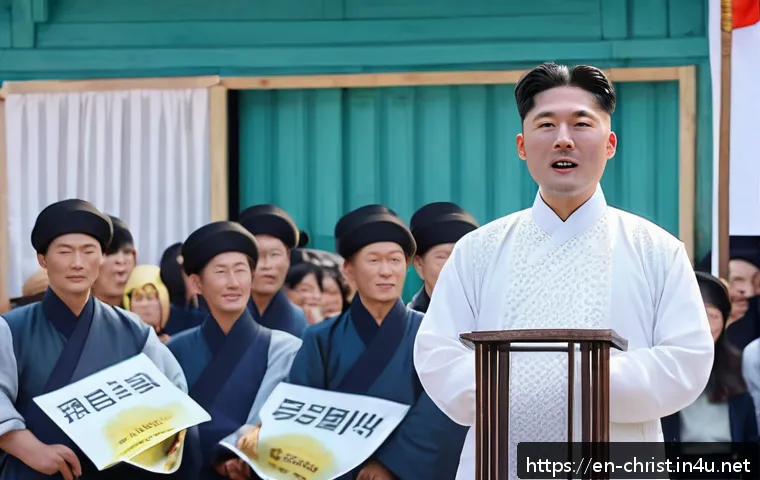
The repetition of ritual practices also provided structure and normalcy in an otherwise turbulent existence.
The Long Shadow: Christianity’s Legacy in Contemporary Resilience
Continuity of Faith and National Identity
The legacy of Christianity’s role during occupation still resonates in modern Korea’s collective psyche. Many communities continue to draw on this historical faith-based resilience when facing current challenges.
I’ve observed how churches today often serve as community hubs during crises, whether natural disasters or social upheaval. This continuity suggests that the spiritual foundations laid in the past remain relevant and vital.
It’s inspiring to see how historical lessons translate into contemporary strength.
Faith-Inspired Social Movements
Modern social movements in Korea often trace roots back to Christian activism and ethical frameworks established during the occupation. Issues like democracy, human rights, and social justice frequently find champions within faith communities.
This ongoing engagement reflects a deep-seated tradition of moral leadership and grassroots organizing that originated in those difficult times. It’s a living example of how resilience nurtured by faith can evolve into proactive societal transformation.
Global Connections and Shared Experiences
Korea’s experience highlights a universal theme: faith as a source of resilience across cultures facing oppression. I find it meaningful that Korean Christian history is now part of a broader conversation about how spiritual communities worldwide support resistance and recovery.
This shared narrative fosters international solidarity and mutual learning. Understanding these connections enriches our appreciation of resilience as a human capacity nurtured through faith, community, and courage.
| Aspect | Role of Christianity | Impact on Korean Resilience |
|---|---|---|
| Hope and Psychological Strength | Provided spiritual comfort and collective hope through worship and prayer | Helped individuals overcome fear and despair, reinforcing mental endurance |
| Education and Literacy | Promoted literacy via Bible study and missionary schools | Empowered people with knowledge, fostering cultural identity and future activism |
| Community and Social Support | Established safe spaces and organized charitable aid | Created solidarity networks that sustained survival and morale |
| Leadership and Ethical Resistance | Inspired principled leaders advocating peaceful reform | Guided effective resistance rooted in moral authority |
| Cultural Preservation | Maintained language and traditions through religious practices | Protected national identity against assimilation pressures |
Faith as a Lifeline: Personal Stories of Endurance
Individual Acts of Courage
Reading through personal testimonies, I was deeply moved by the courage displayed by ordinary people whose faith sustained them. From secret Bible readers to underground educators, their stories reveal how spirituality provided not only strength but a sense of purpose.
One story I recall involves a woman who risked her life to smuggle religious texts, knowing that these books were more than paper—they were symbols of hope and resistance.
These narratives remind me that resilience is often built on countless small acts of bravery.
Generational Transmission of Faith and Values
Faith was not only a present source of strength but also something passed down through generations, creating a continuous thread of resilience. Families taught children prayers and hymns, embedding values of perseverance and hope early on.
This intergenerational transmission ensured that even after the occupation ended, the spirit nurtured through Christianity remained alive. I find this particularly inspiring because it highlights how faith can create lasting legacies that empower future challenges.
Faith in Everyday Life Amid Hardship
For many, faith was woven into daily routines—morning prayers before work, evening hymns after a long day, and moments of silent reflection during hardship.
This constant spiritual presence helped people maintain a sense of normalcy and control when so much else was uncertain. I imagine that this daily rhythm of faith acted like a steady heartbeat, providing emotional stability.
It’s a powerful illustration of how spirituality can be both a refuge and a source of ongoing strength in the face of adversity.
The Intersection of Faith and National Identity
Shaping Modern Korean Values
Christianity’s influence during the occupation helped shape core values that still resonate in contemporary Korean society, such as community solidarity, justice, and compassion.
These principles have become intertwined with national identity, influencing how Koreans view themselves and their responsibilities toward one another.
I’ve noticed that many civic organizations today draw inspiration from these faith-rooted ideals, showing the enduring impact of this historical intersection.
Faith as a Bridge Between Tradition and Modernity
Christianity introduced new ideas and practices while respecting local traditions, creating a unique blend that helped Korea navigate modernization under colonial pressure.
This bridging function was crucial in maintaining cultural continuity while embracing progress. It’s fascinating to see how faith communities balanced respect for heritage with adaptation to changing times, providing a model for resilience that honors both past and future.
International Solidarity Through Faith Networks
The global Christian community offered moral and sometimes material support to Koreans during the occupation, connecting local struggles to a worldwide audience.
These international links amplified Korea’s voice and provided resources that might otherwise have been unavailable. This aspect of faith-based resilience highlights the power of global solidarity in sustaining oppressed peoples, a lesson that remains relevant in today’s interconnected world.
In Conclusion
Faith has played an indispensable role in nurturing resilience during times of hardship. It provided not only spiritual comfort but also a foundation for community strength, leadership, and cultural preservation. The stories and legacies of faith-based endurance remind us how deeply intertwined belief and perseverance can be. This enduring influence continues to inspire hope and unity in contemporary challenges.
Useful Information to Remember
1. Faith often serves as a psychological refuge, offering hope and mental strength when circumstances seem overwhelming.
2. Educational initiatives linked to faith communities can empower individuals by providing literacy and critical thinking skills.
3. Communities built around shared beliefs can offer vital social support and protection during times of oppression.
4. Ethical and compassionate leadership rooted in faith can guide peaceful and effective resistance movements.
5. Cultural identity and traditions are often preserved and strengthened through faith-based practices and education.
Key Takeaways
Faith is much more than a spiritual practice; it acts as a multifaceted source of resilience by fostering hope, community solidarity, education, and ethical leadership. Its role in preserving culture and inspiring compassionate action underlines how deeply it can influence societal endurance. Recognizing these dimensions helps us appreciate the lasting power of faith as a catalyst for both personal strength and collective perseverance.
Frequently Asked Questions (FAQ) 📖
Q: How did Christianity influence Korean resilience during the Japanese occupation?
A: Christianity provided more than just spiritual comfort during Korea’s Japanese occupation; it became a source of hope, community, and resistance. Many Koreans found strength in Christian teachings about perseverance and justice, which helped them endure severe oppression.
Churches often served as safe spaces for sharing information, organizing resistance efforts, and preserving Korean identity. Personally, I’ve seen how faith communities can empower people facing tough times, and Korea’s example is a powerful testament to that.
Q: Were Christian leaders involved in the Korean independence movement?
A: Absolutely. Several prominent Christian leaders played crucial roles in Korea’s fight for independence. They used their positions to advocate for human rights and national sovereignty, often risking their lives.
Their moral authority helped galvanize public support and encouraged nonviolent resistance strategies. From what I’ve read, these leaders combined spiritual guidance with political activism, making their influence both profound and practical during those turbulent years.
Q: What lessons can modern readers learn from the role of Christianity in Korea’s historical struggles?
A: One key takeaway is how faith can serve as a foundation for resilience when facing adversity. Christianity in Korea wasn’t just about personal belief; it fostered a collective spirit that encouraged courage, solidarity, and hope.
For anyone today dealing with personal or societal challenges, this story highlights the power of community and conviction to overcome hardship. Reflecting on such history reminds us that resilience often grows from shared values and unwavering faith.