In today’s fast-evolving world, technology is reshaping every aspect of our lives—including how we experience worship. Modern churches are embracing cutting-edge audio innovations to create more immersive and meaningful gatherings.
Whether it’s crystal-clear sound systems or advanced acoustic designs, these technologies are helping congregations connect on a deeper level. If you’ve ever wondered how tech is transforming spiritual spaces, you’re in the right place.
Let’s dive into how these breakthroughs are enhancing worship and fostering stronger community bonds.
Elevating Atmosphere Through Sound Clarity
Why Clear Audio Changes the Worship Experience
When you walk into a worship space where every spoken word and note is crisp and clear, it immediately transforms how you engage. I’ve attended services where the sound was muddled and it felt like something was missing—almost like a barrier between the message and my heart.
On the flip side, a pristine audio setup can pull you right into the moment, making sermons and worship songs resonate deeply. Clear sound eliminates distractions, helping everyone focus fully on the spiritual experience rather than straining to hear.
Microphone Technologies That Make a Difference
Gone are the days of tinny, feedback-prone microphones. Modern wireless systems, lapel mics, and handhelds now come equipped with noise reduction and automatic gain control.
From personal experience, having the pastor’s voice remain consistent and natural throughout the sanctuary really enhances understanding and emotional connection.
Some churches are also experimenting with directional microphones to minimize ambient noise, which works wonders in busy or multi-use spaces.
Strategic Speaker Placement for Immersive Sound
Speaker placement might sound technical, but it’s crucial for creating an immersive worship environment. I’ve noticed that when speakers are thoughtfully positioned—sometimes even overhead or embedded into walls—the sound feels enveloping rather than blasting from a single corner.
This balance helps worshippers feel surrounded by music and message, which can be incredibly moving during collective singing or moments of prayer.
Harnessing Acoustics for Reverberation and Warmth
Designing Spaces to Enhance Natural Sound
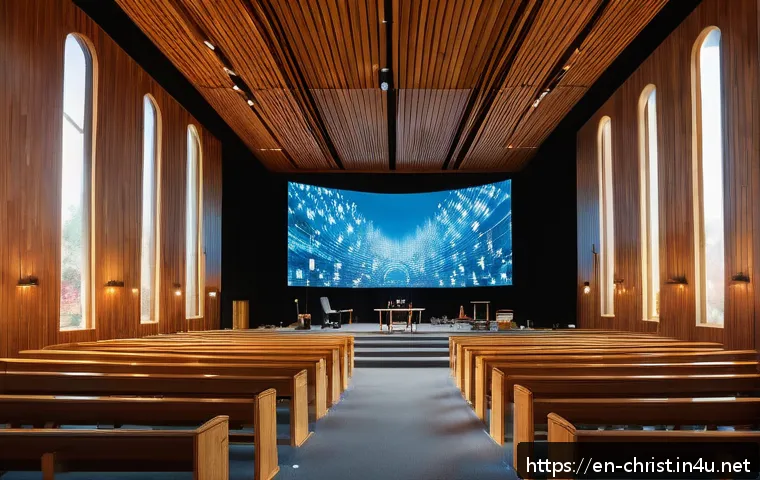
Architectural acoustics play a silent but powerful role in worship. Churches that invest in acoustic treatments—like diffusers, absorbers, and reflective panels—can control how sound waves move through the space.
I once visited a newly renovated chapel where the acoustic design was so well done that even soft hymns filled the room with a warm glow. It’s amazing how the right materials and room shape can turn sound into an emotional experience.
Balancing Reverberation Time for Clarity
Reverberation time—the period sound lingers after being produced—is critical in worship environments. Too much reverberation causes words to blur; too little can make the room feel sterile.
Finding the right balance is a science and an art. Churches that get this right often report that congregants understand sermons better and participate more actively in worship because the space itself seems to invite engagement rather than distract.
Innovative Acoustic Panels and Materials
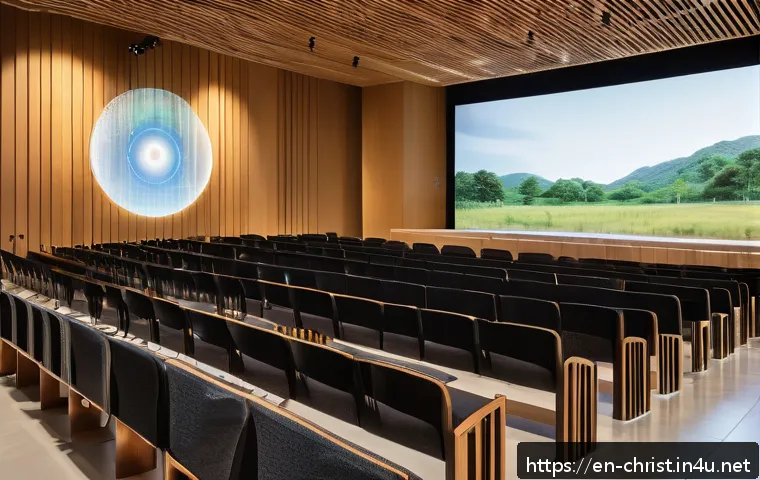
Materials like wood, fabric, and specialized foam are no longer just for aesthetics—they’re integral to sound quality. Some churches even use artistic panels that double as decor and sound absorbers, creating a visually stunning yet acoustically optimized environment.
From my visits, these innovations make worship spaces feel more welcoming and intentional, reflecting a commitment to both beauty and function.
Interactive Technology to Foster Community Connection
Live Streaming with High-Quality Audio
The shift to hybrid worship models has made high-quality audio streaming essential. I’ve been part of online services where the audio was so clear and well-mixed that it felt like being physically present.
Churches using advanced mixers and audio interfaces can ensure remote members experience worship without lag or distortion, keeping them connected to the community regardless of location.
Mobile Apps Enhancing Participation
Many congregations now use apps that sync lyrics, prayers, and announcements in real-time. The beauty of this is that everyone can follow along seamlessly, even if the acoustics are challenging or if someone is joining remotely.
From what I’ve seen, this tech keeps people engaged and encourages active participation, transforming passive listening into a dynamic experience.
Soundscapes and Ambient Audio for Meditation
Some churches incorporate ambient soundscapes—like gentle rain, soft chimes, or nature sounds—during moments of reflection or prayer. I tried this approach in a small group setting, and the result was deeply calming and conducive to spiritual focus.
These subtle audio elements can create a sacred atmosphere that supports individual and collective meditation.
Customizable Sound Settings for Diverse Worship Styles
Adjusting Audio for Music Genres and Speaking Styles
Worship styles vary widely—from contemporary praise bands to traditional choirs and spoken word. Having audio systems that can be fine-tuned for different styles is a game changer.
Personally, I’ve noticed that venues with flexible mixing consoles can highlight a soloist’s voice one day and handle a full band’s dynamics the next without missing a beat.
Using Digital Soundboards for Real-Time Control
Digital soundboards allow sound engineers to make instant adjustments during services, ensuring optimal balance. From my experience volunteering in church tech teams, this flexibility means worship can flow naturally, with sound levels rising during energetic moments and softening for intimate prayers, all without distracting glitches.
Training Volunteers for Consistent Quality
Even the best tech is only as good as the people operating it. Churches investing in volunteer training see a huge difference in audio quality and service smoothness.
I’ve trained volunteers who initially struggled but, with practice, became adept at handling complex sound systems—leading to a noticeable boost in congregational satisfaction.
Enhancing Accessibility Through Audio Innovations
Assistive Listening Devices for Inclusivity
Ensuring everyone can hear clearly is a priority. Many churches now provide assistive listening devices that amplify sound for those with hearing impairments.
I’ve seen elderly members and those with hearing aids express gratitude when these systems made worship fully accessible, fostering a stronger sense of belonging.
Captioning and Visual Aids Synchronized with Audio
Some worship spaces integrate real-time captioning or projection of spoken words and lyrics. This tech aids not only the hearing impaired but also newcomers unfamiliar with the liturgy.
From what I’ve observed, these tools reduce barriers and enhance comprehension, making the worship experience more welcoming to all.
Multi-Language Audio Support
In diverse communities, offering simultaneous translation through audio channels can unite congregants of different backgrounds. I attended a service where this was implemented, and it was inspiring to see how technology helped everyone participate fully, breaking down language divides and enriching the communal spirit.
Future Trends Shaping Worship Soundscapes
Artificial Intelligence in Sound Mixing
AI-powered mixers are beginning to learn and adapt to the nuances of worship services, automatically balancing sound levels for optimal clarity. Although still emerging, I’m excited about how this could reduce human error and allow sound teams to focus more on creativity and less on technical troubleshooting.
Immersive 3D Audio Experiences
3D audio technology creates a surround-sound effect that can make worship feel incredibly intimate and dynamic. Imagine hearing a choir’s voices moving around the room or a prayer enveloping you from all directions.
Having witnessed demos of this tech, I believe it will redefine how we experience collective worship in the near future.
Integration with Augmented Reality
While still experimental, AR could overlay visual and audio elements during services, enhancing storytelling and engagement. Picture a sermon where biblical scenes unfold around you, accompanied by synchronized sound effects—this blend of tech and tradition could open new pathways for spiritual connection.
| Technology | Purpose | Benefits | Example Use |
|---|---|---|---|
| Wireless Microphones | Clear voice transmission | Freedom of movement, reduced feedback | Pastors delivering sermons without being tethered |
| Acoustic Panels | Sound absorption and diffusion | Enhanced clarity, warmth, reduced echo | Renovated chapels with improved worship atmosphere |
| Assistive Listening Devices | Amplify audio for hearing impaired | Inclusivity, better comprehension | Providing devices to elderly congregants |
| Digital Soundboards | Real-time audio mixing | Flexible control, consistent sound quality | Adjusting music and speech balance live |
| Live Streaming Audio Systems | Broadcast services online | Remote participation, wider reach | Hybrid worship gatherings during pandemics |
Closing Thoughts
Sound clarity truly transforms the worship experience by fostering deeper connection and engagement. From advanced microphone technology to immersive acoustic design, every element plays a vital role in creating a meaningful atmosphere. Embracing innovation while prioritizing accessibility ensures that worship remains inclusive and inspiring for all. Investing in quality sound is investing in the heart of the community.
Helpful Information to Remember
1. Clear audio enhances focus and emotional connection, making worship more impactful.
2. Modern microphone systems reduce noise and allow freedom of movement for speakers.
3. Proper speaker placement and acoustic treatments create a warm, enveloping sound environment.
4. Interactive technologies like live streaming and mobile apps boost participation and community reach.
5. Accessibility tools such as assistive listening devices and captioning promote inclusivity for all attendees.
Key Takeaways
Effective worship sound requires a careful balance of technical expertise and thoughtful design. Prioritizing clarity, warmth, and adaptability helps create spaces where every voice and note can be heard with impact. Training volunteers and leveraging innovative technology ensures consistent quality and fosters a welcoming environment. Ultimately, sound is not just heard—it’s felt, making it a powerful catalyst for spiritual connection and communal unity.
Frequently Asked Questions (FAQ) 📖
Q: uestionsQ1: How do modern audio technologies improve the worship experience in churches?
A: Modern audio technologies, such as high-definition sound systems and advanced acoustic treatments, dramatically enhance clarity and sound quality during services.
From my experience attending churches with upgraded systems, every word and musical note feels more vibrant and immersive, helping the congregation focus and engage deeply.
These innovations reduce echoes, balance volume levels across large spaces, and ensure that everyone—from front row to back pew—can hear perfectly. This technical clarity fosters a more meaningful and inclusive worship atmosphere.
Q: Can technology help strengthen the sense of community within a church?
A: Absolutely. Technology like live streaming, interactive soundboards, and even smart apps allow people to participate in worship whether they’re in the sanctuary or at home.
I’ve seen firsthand how churches using these tools expand their reach and create connections beyond physical walls. For instance, families who can’t attend in person can still join live services, and interactive features encourage real-time feedback and shared experiences.
This accessibility and interactivity nurture a stronger, more connected community.
Q: Are there any challenges churches face when integrating new audio and tech solutions?
A: Yes, adopting new technologies does come with challenges. Budget constraints are common, as quality sound systems and acoustic upgrades can be costly.
Additionally, there’s a learning curve for volunteers and staff to operate and maintain the equipment effectively. From what I’ve observed, churches that invest in training and gradually implement technology tend to have smoother transitions.
Balancing tradition with innovation also requires sensitivity, ensuring that tech enhances rather than distracts from the spiritual focus.