In a world where traditions constantly evolve, the enduring influence of Christian saints remains a powerful force shaping faith and culture today. As modern believers seek meaning in a rapidly changing landscape, revisiting the legacy of these revered figures offers fresh insights into spirituality and community.
Whether through stories of compassion or acts of courage, their timeless examples continue to inspire and guide. Join me as we explore how these ancient traditions still resonate, enriching lives and faith in unexpected ways.
This journey not only deepens understanding but also connects us to a living heritage that thrives in contemporary practice.
Echoes of Compassion in Everyday Life
Embodying Kindness Beyond Rituals
When we look at the lives of saintly figures, what strikes me most is their relentless commitment to compassion—not as a mere ritual, but as a way of life.
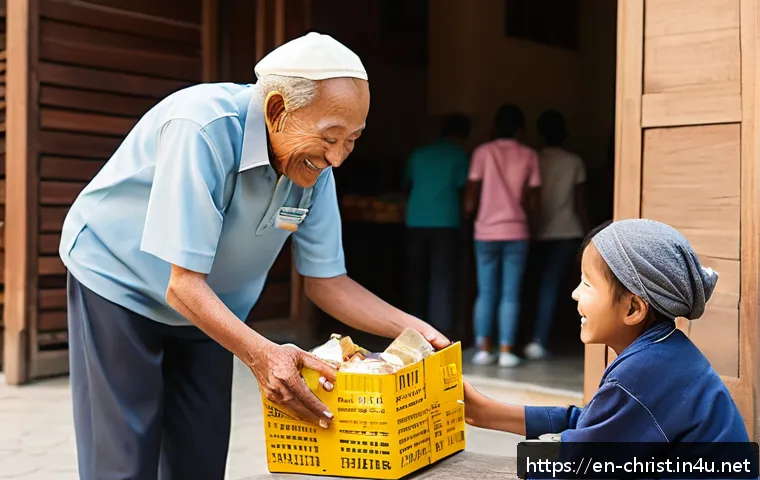
These stories remind us that kindness isn’t confined to grand gestures; it thrives in the small, everyday moments. For instance, offering a listening ear to someone struggling or volunteering at local shelters reflects the same spirit that saints exhibited centuries ago.
From my own experience volunteering at community centers, I’ve witnessed firsthand how acts rooted in compassion create ripples of hope and healing, often in ways that formal religious practices alone cannot achieve.
Lessons from Historical Acts of Mercy
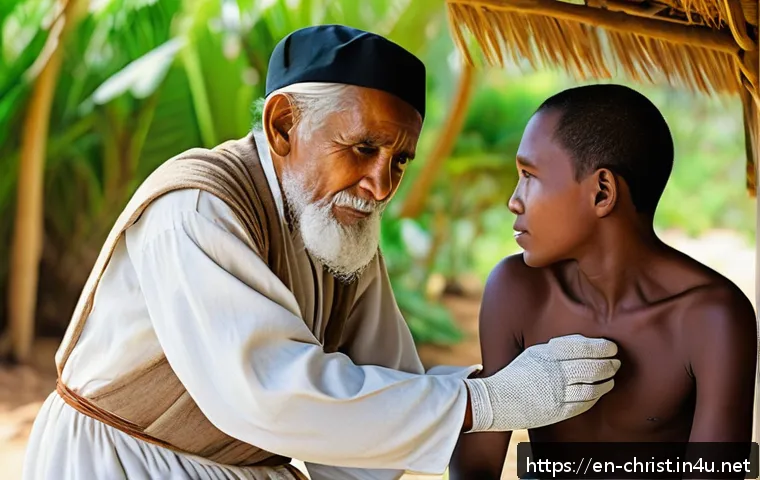
Saints often faced harsh realities—plagues, wars, poverty—and yet their response was marked by extraordinary mercy. Take Saint Damien of Molokai, who cared for leprosy patients ostracized by society.
His courage in embracing those whom others shunned challenges us today to confront social stigmas and extend empathy to marginalized groups. Reflecting on this, I realize how their stories push modern believers to rethink how mercy can be practiced in contemporary settings, whether through advocacy, healthcare, or simply standing in solidarity with the vulnerable.
The Ripple Effect of Compassionate Communities
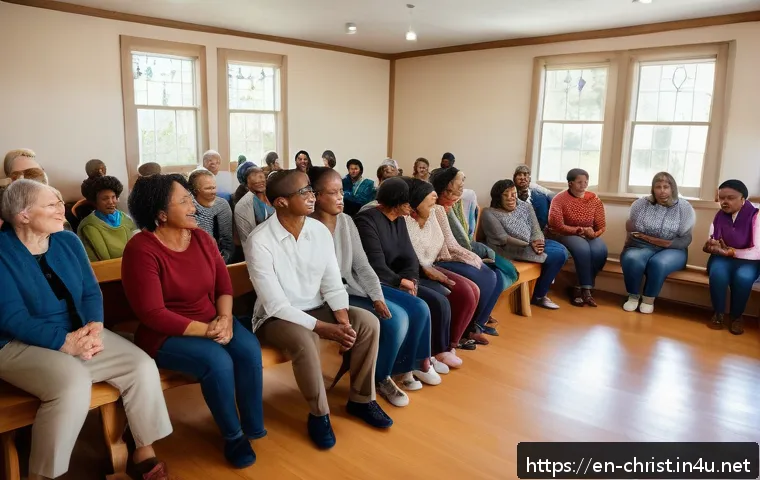
Beyond individual acts, the legacy of saints encourages building communities centered on love and mutual support. When believers come together inspired by these examples, they create networks that sustain faith and social wellbeing.
I’ve seen churches transform neighborhoods by launching food drives, counseling programs, and outreach initiatives. These efforts echo the saints’ communal ethos, proving that compassion, when shared, can revitalize entire communities and deepen spiritual bonds.
Bravery That Transforms Perspectives
Courage in the Face of Adversity
One of the most striking aspects of saintly lives is their fearless dedication to their beliefs and values, even when confronted with persecution or hardship.
This courage is not about recklessness but a profound conviction that transcends fear. For example, Saint Joan of Arc’s unwavering faith in her divine mission amid political turmoil inspires modern individuals to stand firm in their principles despite societal pressures.
Personally, I’ve found her story motivating during moments when speaking up felt daunting but necessary.
Modern Parallels of Courageous Faith
Today’s world demands a similar bravery, whether it’s advocating for justice, protecting human rights, or challenging injustice within our own communities.
Saints provide a blueprint for such courage by demonstrating that faith can empower action. I recall a friend who courageously spoke out against discrimination at her workplace, drawing strength from these historical examples.
Their narratives remind us that courage often begins with small but deliberate acts that gradually reshape attitudes and policies.
How Courage Inspires Renewal
Courage doesn’t just defend; it also renews and transforms. When communities embrace bravery rooted in faith, they become catalysts for change and reconciliation.
This dynamic is evident in various social justice movements led by faith-based organizations, where courage fuels hope and tangible progress. Observing this, I feel encouraged by how the timeless spirit of saints continues to animate efforts toward a more just and compassionate world.
Guardians of Wisdom in a Changing World
Timeless Teachings for Contemporary Challenges
The wisdom of saints, distilled through centuries of spiritual reflection, offers valuable guidance for navigating modern complexities. Their insights into humility, patience, and perseverance are particularly relevant in an age of rapid change and uncertainty.
For example, Saint Augustine’s reflections on the restless human heart resonate deeply with today’s quest for meaning amidst digital distractions and societal noise.
Drawing from his teachings, I’ve learned to embrace stillness and introspection as antidotes to modern anxiety.
Integrating Ancient Wisdom into Daily Practice
Applying this wisdom isn’t about replicating ancient rituals verbatim but adapting their essence to contemporary life. Practices like contemplative prayer, acts of service, and ethical living can ground us amid chaos.
I personally find that incorporating moments of gratitude and reflection, inspired by saintly traditions, enhances my daily resilience and clarity. This blend of old and new fosters a spirituality that is both rooted and relevant.
Mentorship and Spiritual Growth Today
Saints often served as mentors, guiding others through their spiritual journeys. This tradition continues in various forms, from pastoral care to peer support groups.
Such mentorship nurtures faith development and personal growth, creating a living chain of wisdom transmission. I’ve benefited greatly from spiritual mentors who embody saintly virtues, reminding me that the legacy of saints thrives through ongoing relationships and shared experiences.
Symbols and Stories That Bridge Generations
The Power of Narrative in Faith Formation
Stories about saints serve as powerful tools for transmitting values and inspiring faith across generations. Their narratives are more than historical accounts—they are living testimonies that shape identity and purpose.
For families and communities, sharing these stories fosters a sense of belonging and continuity. I remember growing up hearing about Saint Francis’s love for nature, which sparked my own appreciation for creation and stewardship.
Visual and Cultural Expressions of Devotion
Art, music, and festivals inspired by saints enrich cultural heritage and deepen communal bonds. These expressions make spirituality tangible and accessible, inviting participation beyond words.
Attending a local festival honoring a patron saint, I’ve observed how such events blend celebration with reflection, drawing diverse people together in shared reverence and joy.
These cultural practices keep saintly legacies vibrant and alive.
Adapting Traditions to Modern Contexts
As cultures evolve, so do the ways we honor saints. Digital media, for example, has opened new avenues for storytelling and connection, allowing global audiences to engage with these traditions.
I’ve seen inspiring online communities where believers share saint stories, prayers, and support, illustrating how ancient faith finds fresh expression in the digital age.
This adaptability ensures that saintly influence remains relevant and far-reaching.
Saints as Catalysts for Social Justice

Historical Roots of Advocacy
Many saints were pioneers of social justice, challenging inequities and advocating for the marginalized long before these concepts gained modern terminology.
Their lives demonstrate how faith can fuel a commitment to human dignity and systemic change. Saint Martin de Porres, for example, broke racial and social barriers through his ministry, embodying a radical inclusivity that resonates deeply today.
His example encourages believers to address contemporary issues with courage and compassion.
Faith-Based Initiatives and Community Impact
Inspired by saintly examples, numerous faith communities actively engage in social justice efforts—addressing poverty, racism, and environmental degradation.
These initiatives often combine spiritual motivation with practical action, creating sustainable impact. From organizing food banks to advocating for fair policies, I’ve seen how integrating faith and justice energizes volunteers and transforms neighborhoods.
This synergy underscores saints’ enduring role as agents of positive change.
Measuring the Reach of Saint-Inspired Movements
Understanding the scope of these movements helps appreciate their significance. The table below summarizes key aspects of saint-inspired social justice initiatives and their outcomes:
| Initiative | Focus Area | Impact | Example |
|---|---|---|---|
| Healthcare Outreach | Access to Medical Care | Improved health in underserved areas | Saint Damien’s leprosy care |
| Anti-Poverty Programs | Economic Support | Reduced homelessness and hunger | Saint Vincent de Paul Societies |
| Racial Equality Advocacy | Social Inclusion | Increased awareness and policy reforms | Saint Martin de Porres initiatives |
| Environmental Stewardship | Creation Care | Promotion of sustainable practices | Saint Francis of Assisi’s legacy |
Personal Transformation Through Saintly Inspiration
Stories That Spark Inner Change
Encountering saintly stories often triggers profound personal reflection and transformation. Their examples challenge us to evaluate our own lives and priorities, fostering growth beyond mere admiration.
I recall a time when Saint Teresa of Calcutta’s humility and dedication moved me to re-examine my attitudes toward service and gratitude, ultimately inspiring a deeper commitment to volunteerism.
Integrating Virtues into Daily Decisions
Saints exemplify virtues like patience, courage, and generosity, which can guide everyday choices. Applying these traits transforms ordinary moments into opportunities for spiritual growth.
From navigating difficult relationships to managing stress, I find that consciously embodying these virtues makes challenges more manageable and life more meaningful.
Building a Legacy of Faith and Action
Inspired by saints, many believers strive to leave a positive imprint on their families and communities. This legacy is not about grandeur but about consistent, faithful living.
Witnessing the long-term impact of such dedication in my own circle affirms that saintly influence extends well beyond their lifetimes, shaping futures in subtle yet powerful ways.
Community Rituals Reimagined for Today
Revitalizing Ancient Practices
Many traditional rituals honoring saints have been adapted to resonate with contemporary sensibilities. For example, pilgrimages and feast days often incorporate modern themes like environmental awareness or social justice, making ancient customs relevant and engaging.
Participating in these reimagined rituals, I’ve noticed how they foster renewed enthusiasm and deeper connection among diverse participants.
Creating Inclusive Celebrations
Modern communities emphasize inclusivity, inviting people of different backgrounds to partake in saint-centered events. This openness reflects the universal values saints represent and broadens their impact.
I’ve attended interfaith gatherings that honor saintly virtues, demonstrating how these celebrations can bridge cultural and religious divides, promoting harmony and mutual respect.
Innovative Approaches to Spiritual Gatherings
Technology and creativity have expanded how communities celebrate and reflect on saintly legacies. Virtual retreats, online prayer groups, and multimedia presentations offer fresh avenues for engagement.
From my involvement in online faith forums, I’ve seen how these innovations make spiritual traditions accessible to busy, global audiences, ensuring that the essence of saintly devotion continues to thrive in new formats.
In Conclusion
Reflecting on the lives and legacies of saints reveals how timeless compassion, courage, and wisdom continue to inspire meaningful change in our daily lives. Their stories encourage us to embody virtues in practical ways that uplift individuals and communities alike. By integrating these lessons, we can foster deeper connections and drive positive transformation in a complex world.
Helpful Insights
1. Compassion is most powerful when expressed through simple, consistent acts rather than grand gestures alone.
2. Courage rooted in faith empowers individuals to challenge injustice and advocate for meaningful change.
3. Ancient wisdom offers practical guidance for managing modern stress and uncertainty through humility and reflection.
4. Storytelling and cultural expressions help preserve spiritual values and connect diverse generations.
5. Modern adaptations of rituals and community gatherings make spiritual traditions accessible and inclusive in today’s world.
Key Takeaways
Saintly examples demonstrate that living with kindness, bravery, and wisdom can transform not only personal lives but also entire communities. Embracing these virtues requires intentional daily practice and openness to growth. Whether through mentorship, advocacy, or cultural celebration, the ongoing influence of saints encourages us to build legacies rooted in faith and social justice.
Frequently Asked Questions (FAQ) 📖
Q: uestionsQ1: How do the stories of Christian saints remain relevant to modern believers?
A: The stories of Christian saints continue to resonate today because they embody universal values like compassion, courage, and sacrifice that transcend time.
In a fast-paced, often uncertain world, these narratives offer a grounding sense of hope and purpose. Many modern believers find inspiration in how saints faced challenges with faith and resilience, encouraging them to apply similar principles in their own lives.
Their examples serve as a bridge connecting ancient wisdom to contemporary struggles, making spirituality more accessible and meaningful.
Q: In what ways do the traditions surrounding saints influence contemporary culture?
A: Traditions honoring Christian saints have woven themselves into various aspects of modern culture, from art and literature to community festivals and charitable activities.
For instance, feast days and patron saint celebrations often bring communities together, fostering a sense of belonging and shared identity. Additionally, saints’ stories inspire countless creative works and motivate social justice initiatives rooted in their teachings.
This ongoing cultural influence helps keep the legacy alive, enriching everyday life with a deeper spiritual and ethical dimension.
Q: Can revisiting the legacy of saints deepen one’s personal faith experience?
A: Absolutely. Revisiting the legacy of saints often encourages a more intimate and reflective faith journey. Many people discover fresh insights into their spirituality by exploring the saints’ lives, realizing that faith is not static but a living, evolving relationship.
Personally engaging with these examples can provide comfort, challenge complacency, and spark renewed commitment. This connection to a living heritage makes faith feel more vibrant and relevant, helping individuals navigate their own paths with greater confidence and meaning.