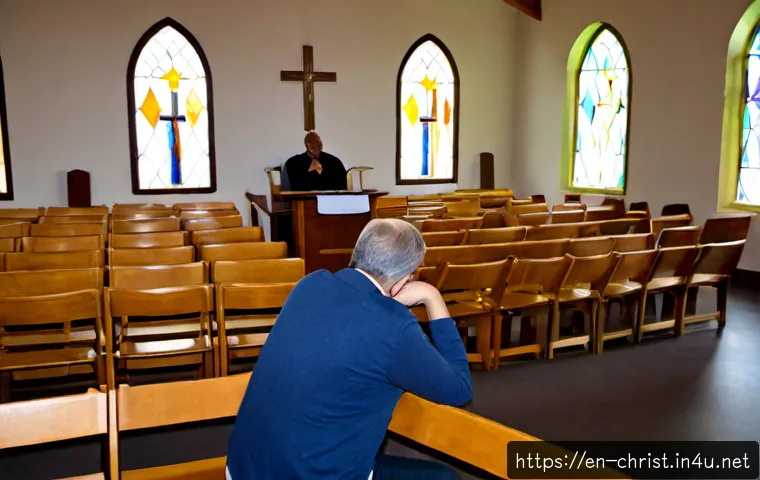
Easter celebrates the resurrection of Jesus Christ after his crucifixion and burial, and it stands at the heart of Christian faith. For Christians, the resurrection speaks of salvation, hope, and eternal life.
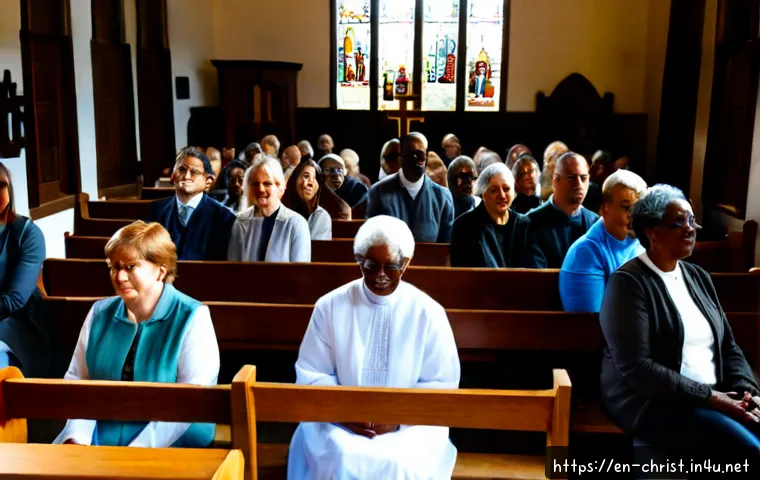
Easter worship can look very different from one church to another, from quiet liturgical services to music-filled contemporary gatherings and family events.
If you are deciding where to attend or what materials to use, begin with the church’s format, theology, accessibility, and expectations for children or visitors.
A paid devotional, Bible study guide, or children’s resource can support preparation, but none of these purchases is required to observe Easter meaningfully.
A clear plan helps visitors and families focus on the purpose of the day rather than unfamiliar details.
At a Glance
- Easter celebrates Jesus Christ’s resurrection, which Christians consider central to salvation, hope, and eternal life.
- Many churches observe Holy Week through Palm Sunday, Maundy Thursday, Good Friday, Holy Saturday, and Easter Sunday.
- Service styles, Easter dates, Communion practices, and family activities can differ by Christian tradition and local congregation.
| Option | What It May Include | Best for | What to Check First |
|---|---|---|---|
| Traditional liturgical service | Prayer, music, Communion or Eucharist, and a structured order of worship | People who value historic patterns or a formal setting | Communion guidance, service length, dress expectations, and accessibility |
| Contemporary Easter service | Modern music, prayer, teaching, and a less formal atmosphere | Visitors looking for a relaxed entry point | Service format, child care, seating, and visitor information |
| Family-focused event | Children’s lessons, crafts, meals, or new-life imagery such as eggs and flowers | Families and multigenerational groups | Age suitability, supervision, accessibility, and registration details |
| At-home study or observance | Prayer, Bible reading, a devotional, and shared discussion | Those unable to attend or wanting extra preparation | Theological approach, reading level, format, and whether a paid resource adds real value |
What Easter Celebrates in Christian Belief
The Resurrection of Jesus and Why It Is Central to Christianity
Easter is the Christian celebration of the resurrection of Jesus Christ. Christians believe that Jesus rose after his crucifixion and burial. This belief is central to Christian understandings of salvation, hope, and eternal life.
For many believers, Easter is not simply a seasonal event or a family tradition. It is a time to worship, reflect, and hear again the message of the resurrection. A church service, prayer gathering, shared meal, or home reading can all be meaningful when they keep that purpose in view.
The Connection Between Easter, Holy Week, and Lent
In many Christian traditions, Easter follows the season of Lent. Holy Week commonly includes Palm Sunday, Maundy Thursday, Good Friday, Holy Saturday, and Easter Sunday. Some churches offer worship across several of these days, while others place most of their Easter observance on Sunday.
Do not assume that every congregation offers the same schedule. If you hope to attend a Good Friday service, an Easter sunrise service, or a Holy Week prayer gathering, check the congregation’s official service information before making plans.
Three Quick Points for Readers New to the Tradition
- Easter is primarily about the resurrection, not about a required set of decorations or activities.
- Church customs may differ without changing the central Christian focus on Jesus Christ’s resurrection.
- You can ask a church what to expect before attending; this is often the simplest way to avoid uncertainty.
How Easter Is Observed Across Christian Traditions
Catholic, Orthodox, Anglican, Protestant, and Evangelical Patterns
Christian traditions may observe Easter with different liturgical patterns, music, prayers, and teaching styles. Catholic, Orthodox, Anglican, Protestant, and evangelical congregations may each approach Holy Week and Easter worship differently. Eastern Orthodox churches may also celebrate Easter on a different date from Western churches because calendar methods can differ.
The most useful approach is not to guess a church’s practice from its location or appearance. Look for information about its tradition, worship style, and visitor guidance, especially if you are unfamiliar with its theology or order of service.
Worship Elements: Prayer, Music, Communion, Baptisms, and Shared Meals
Easter worship may include prayer, music, Communion or Eucharist, baptisms, and shared meals. A congregation may use one or several of these elements. Some services are quiet and highly structured; others are more conversational or music-centered.
Communion is an area where visitors should be especially careful. Participation practices vary, so listen to the instructions given during the service or ask a church representative beforehand. Respecting local guidance is better than assuming that all guests are expected to participate.
Why Easter Dates and Local Customs Can Differ
Western Christian churches generally calculate Easter through a lunar-calendar-based method, which is why the date changes each year. Eastern Orthodox churches may use different calendar methods, leading to a different Easter date in some years.
Local customs can differ as well. Eggs, flowers, and images of new life are widely associated with Easter in many English-speaking communities, but their meaning and importance vary. These customs may enrich a gathering, yet they are not a substitute for understanding the Christian celebration itself.
Comparing Easter Services, Study Resources, and Family Activities
What May Be Free, Donation-Based, or Paid
Attendance at an Easter church service may have different arrangements depending on the congregation. Some events may be open to visitors, while other activities may involve registration, donations, or paid materials. It is wise to confirm details directly rather than assume what is free or what is expected.
A devotional subscription, Bible study guide, children’s curriculum, or Easter event supply can be useful, but a purchase should serve a clear need. Faith is not made more valid by choosing the most expensive resource.
When a Devotional, Bible Study Guide, or Children’s Resource May Be Worth Purchasing
Consider a resource when it offers a format your group can genuinely use. For example, a family may prefer clear age-appropriate discussion prompts, while an adult study group may want a guide that supports Holy Week reflection. Check the theological perspective, reading level, lesson format, and intended audience before choosing.
For children’s materials, look beyond attractive packaging. Ask whether the resource explains Easter’s Christian meaning in a way that fits your family or church background. For event supplies, focus on practical needs and inclusive participation rather than treating decorations as essential.
Preparing for Worship or an Easter Gathering Without Common Missteps
What First-Time Church Visitors Can Check in Advance
Before attending, check the official service time, location, arrival guidance, accessibility information, child care details, and whether registration is requested. These details are especially helpful for older relatives, families with young children, and anyone who may need seating or mobility support.
If information is unclear, a brief message or phone call to the congregation can answer practical questions. Asking about the service format is not rude; it can make the visit calmer and more respectful.
Dress, Arrival Time, Seating, Photography, and Communion Etiquette
Dress expectations vary widely. Some Easter services are formal, while others are casual. Choose neat, comfortable clothing that fits the setting, and avoid assuming that one style is required everywhere.
Arrive early enough to settle in without rushing, particularly if you need accessible seating or are bringing children. Ask before taking photographs, since some churches prefer worship to remain free from photography. During Communion, follow the congregation’s instructions rather than relying on customs from another church.
Planning Inclusive Activities for Children, Guests, and Older Relatives
A good Easter gathering gives people more than one way to participate. Children may enjoy a simple explanation, a question-and-answer activity, or a new-life-themed craft. Older relatives and guests may appreciate clear schedules, comfortable seating, and a quieter space for conversation.
Keep the central message understandable. Activities involving eggs, flowers, food, or music can support the day, but they should not leave guests wondering what Easter means in Christian belief.
Easter Practices for Different Situations
For Regular Churchgoers Seeking Deeper Holy Week Participation
If you already attend church, consider whether your congregation offers services across Holy Week. Attending prayer, music, Communion, or Good Friday worship may provide a fuller rhythm of reflection before Easter Sunday. Check the schedule rather than assuming every observance will be offered.
For Families Explaining the Celebration to Children
Use simple language: Easter celebrates that Christians believe Jesus rose from the dead. Then connect any activity to that message. A children’s Bible resource or family devotional may help if it matches your theological background and your child’s level of understanding.
For Curious Visitors Attending a Service for the First Time
Choose a church service with clear visitor information and a format that feels manageable. You do not need to know every response, song, or custom before entering. Listen, follow the guidance offered, and allow yourself to observe respectfully if a practice is unfamiliar.
Choosing a Meaningful Easter Experience: Decision Criteria and Comparison Summary
Choose based on beliefs, schedule, accessibility needs, family situation, and comfort with the worship style. Compare whether a service explains its format clearly, welcomes children or first-time visitors, provides needed accessibility support, and communicates its approach to Communion. If you are considering a devotional, curriculum, or event supply, compare its theological fit, usability, and cost before buying. Official event pages and resource descriptions are the best places to confirm current details.
Closing Thoughts
Easter can be observed in many settings, but its central Christian meaning remains the resurrection of Jesus Christ. A formal service, a contemporary gathering, a family meal, or a quiet time of prayer may each offer a meaningful way to reflect. The most helpful preparation is simple: know what the local church or resource is offering, respect its practices, and choose what supports thoughtful participation.
Useful Things to Know
1. Easter’s date changes from year to year in Western churches.
2. Orthodox Easter may fall on a different date.
3. Communion participation, photography, child care, and service times should always be confirmed with the specific congregation.
4. Paid Easter resources can be helpful, but they are optional tools rather than requirements for faith.
Important Notes
Church practices, theological language, service schedules, accessibility arrangements, donation expectations, and children’s programming are local matters and may change. This guide offers general information only. Confirm current details with the congregation, event organizer, or resource provider before attending, registering, or purchasing materials.
Frequently Asked Questions
Q1. What is the main meaning of Easter for Christians?
A1. Easter celebrates the resurrection of Jesus Christ after his crucifixion and burial. Christians see the resurrection as central to beliefs about salvation, hope, and eternal life.
Q2. Is it free to attend an Easter church service, and should visitors expect to donate?
A2. Arrangements vary by congregation and event. Check the church’s official information for attendance, registration, donation, or event details rather than making assumptions.
Q3. How can I choose an Easter service that is suitable for children or first-time visitors?
A3. Compare the service format, accessibility, child care or family programming, visitor guidance, and theological approach. A church that clearly explains what to expect can be a practical choice for families and newcomers.