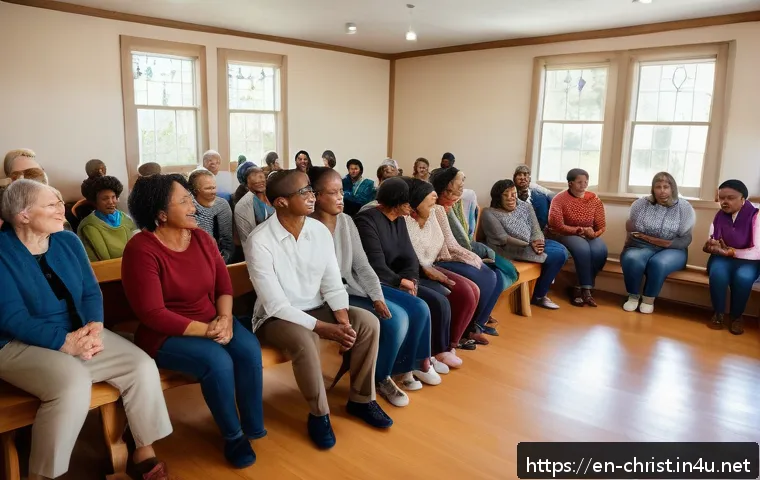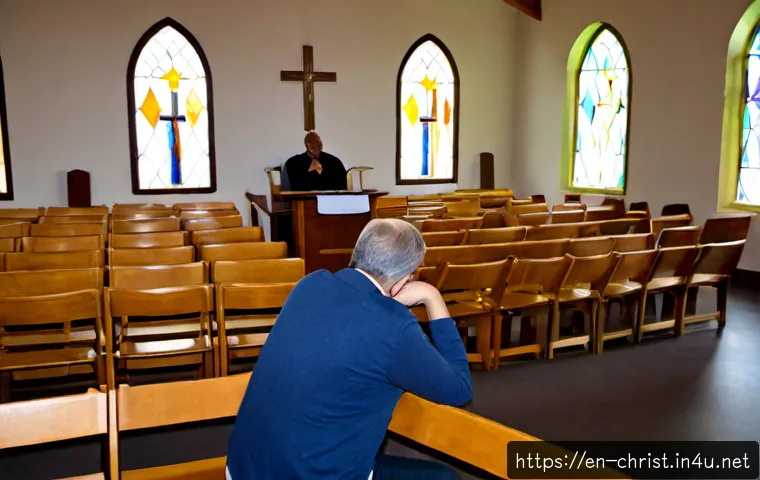
A responsible Christian healing ministry can offer prayer, listening, pastoral care, and community support, but it should not replace qualified medical or mental-health care.
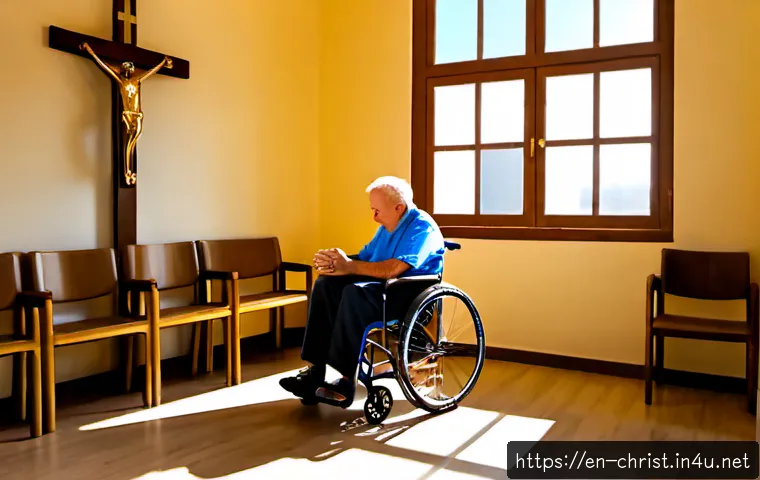
The safest programs respect consent, maintain clear boundaries, avoid promises of a cure, and refer people to appropriate professional help when needed.
If you are comparing church programs, pastoral counseling, or faith-based care resources, focus on leadership accountability rather than emotional claims.
Ask how privacy, safeguarding, donations, and referrals are handled before attending. A prayer session may be a meaningful source of spiritual encouragement, especially when it works alongside—not against—appropriate healthcare.
Price or donation status alone does not show whether a program is responsible. Clear policies and pressure-free participation matter more.
At a Glance
- Prayer ministry can provide spiritual support, but it should not promise physical, emotional, or spiritual outcomes.
- Qualified healthcare and mental-health support come first when urgent symptoms, safety concerns, or severe distress are present.
- Ask about safeguarding, consent, confidentiality, leadership oversight, and donation expectations before joining a session.
| Support Option | Main Purpose | Who Provides It | Questions to Check | Referral Role |
|---|---|---|---|---|
| Church prayer team | Prayer, encouragement, and spiritual support | Church members or ministry volunteers | Consent, supervision, confidentiality, physical-contact rules | Should encourage appropriate medical or mental-health care when needed |
| Pastoral counseling | Faith-based listening, guidance, and ongoing pastoral care | Pastor, ministry leader, or church care worker | Training, accountability, privacy limits, availability | Should recognize when outside support is appropriate |
| Licensed counseling | Mental-health assessment and therapeutic support | Licensed mental-health professional | Credentials, scope of service, privacy practices, payment terms | May coordinate with other appropriate care providers |
| Emergency care pathway | Immediate response to urgent health or safety concerns | Emergency or crisis services | What urgent help is available in your area | Use this route instead of waiting for a prayer appointment when immediate help is needed |
What a Responsible Healing Ministry Can and Cannot Offer
Prayer, listening, pastoral support, and community care
A Christian healing ministry may offer prayer, compassionate listening, pastoral support, and connection with a church community. For some people, these forms of care can provide comfort during illness, recovery, grief, or a difficult season. A responsible team does not need to make dramatic claims to be helpful. It should create a setting where a person can request prayer, decline prayer, or leave without embarrassment.
Before attending, ask what the session normally involves. Is it one-to-one prayer, a small group, a service, or an ongoing church program? Knowing the format can help you decide whether the setting fits your comfort level and current needs.
Why spiritual support should not be presented as a guaranteed cure
Prayer is not a product with guaranteed results. Be cautious if a ministry presents healing as certain, implies that an outcome depends on giving money, or treats a lack of improvement as a personal or spiritual failure. A safer approach is honest: the team can pray and offer pastoral care, while respecting that individual outcomes cannot be promised.
Personal dignity matters. No one should be blamed for illness, trauma, disability, emotional distress, or an unanswered prayer. Spiritual support should make room for hope without creating shame.
When urgent medical or mental-health help comes first
Prayer can accompany professional care, but it is not a substitute for it. If someone may need urgent medical attention, emergency help, crisis support, or immediate protection from harm, do not wait for a healing session. Seek the appropriate urgent support first. A responsible church leader should support that decision rather than discourage it.
Compare Prayer Ministry, Pastoral Counseling, and Professional Care
When a church-based option may be a helpful starting point
A church prayer team or pastoral counseling option may be a helpful starting point for someone seeking faith-centered encouragement, a listening ear, or support from a familiar community. It can also be useful when a person wants prayer while continuing with existing medical treatment or counseling.
Look for a program that clearly describes its purpose. The best fit is often one that says what it can offer, what it cannot offer, and how it responds when someone needs more specialized care.
When licensed counseling or clinical care is the better fit
Licensed counseling or clinical care may be the better fit when someone needs professional mental-health support, medical evaluation, or treatment beyond the scope of church pastoral care. Faith-based counseling resources can be worth comparing if Christian values are important, but credentials, boundaries, privacy practices, and scope of care should still be reviewed.
Do not assume that a free program is less caring or that a paid program is more qualified. Instead, compare what is offered, who provides it, what confidentiality limits apply, and whether referral practices are clear.
Questions to Ask Before Joining a Healing Prayer Session
Leadership oversight, safeguarding, and background-check policies
Ask who leads the ministry and who supervises its volunteers. Is there a clear church leadership structure? Are there written safeguarding practices? Does the ministry explain how concerns can be reported? These questions are especially important when sessions involve vulnerable adults, young people, private conversations, or recurring pastoral care.
You do not need to accept vague answers. A trustworthy ministry should be able to explain its basic safety process without making you feel difficult for asking.
Consent, physical contact, confidentiality, and recording rules
Prayer should be consent-based. Ask whether physical contact is optional, how a “no” is respected, and whether more than one ministry worker is present for private prayer. Also ask how personal information is handled. Can prayer requests be shared publicly? Are sessions recorded? Are testimonies requested or posted?
Confidentiality should be explained carefully, including any limits. If you are uncomfortable with a group setting, public prayer, touch, or sharing personal details, you can choose not to participate.
Donation expectations, paid programs, and pressure-free participation
Some church programs may be free, donation-supported, or connected to paid faith-based counseling services. None of these arrangements automatically proves quality or poor intent. What matters is financial transparency. Ask whether a donation is optional, whether there are charges for counseling or events, and whether anyone is pressured to give in exchange for prayer or promised results.
Before choosing a church program or counseling resource, review the official service details, participation terms, and any stated cost expectations.
Common Risks and Mistakes to Avoid
Delaying needed treatment because of spiritual pressure
A harmful message is any suggestion that prayer means a person should stop seeking medical care, therapy, or other appropriate support. Spiritual care and professional care can exist together. If a leader pressures someone to reject treatment, seek a second opinion from a qualified professional and consider a different church support option.

Blaming people for illness, trauma, or lack of improvement
Be cautious about language that ties a person’s condition to insufficient faith, hidden wrongdoing, lack of generosity, or failure to follow a leader’s instruction. This can add guilt to an already difficult situation. Responsible pastoral care offers compassion, not blame.
Ignoring boundaries, privacy concerns, or uncomfortable group dynamics
Feeling pressured, exposed, or unable to say no is a valid concern. You are not required to disclose private information, accept touch, speak publicly, or continue attending a session that feels unsafe. A healthy ministry culture allows people to set boundaries without punishment or spiritual intimidation.
Choosing Support for Different Situations
For someone seeking prayer during illness or recovery
Consider a prayer team that respects ongoing treatment and asks how it can support the person without making medical claims. A practical approach may include prayer, encouragement, help with church community connections, and sensitivity to fatigue or privacy needs.
For grief, trauma, anxiety, or emotional distress
Pastoral care can be meaningful, but grief, trauma, anxiety, and emotional distress may also call for licensed counseling or other mental-health support. A good church leader will not force a false choice between faith and professional help. Look for a ministry that listens carefully and is willing to discuss appropriate referrals.
For church leaders building a safer prayer-care process
Church leaders can strengthen prayer ministry by setting written expectations for consent, confidentiality, supervision, safeguarding, financial transparency, and referral practices. Teams should know their limits. Clear policies help volunteers serve with care and help attendees understand what to expect before a session begins.
Selection Criteria and Comparison Summary
Before attending, referring someone, or donating, use this short decision check:
- Purpose: Is the ministry clear that it offers prayer and pastoral support rather than guaranteed healing?
- Safety: Are safeguarding, leadership oversight, consent, and reporting options explained?
- Privacy: Can you control what personal information is shared, recorded, or discussed in a group?
- Professional care: Does the program respect medical treatment, licensed counseling, and appropriate referrals?
- Money: Are donations, fees, and paid faith-based support services described without pressure?
- Accessibility: Can you ask questions, decline participation, or leave without being shamed?
If you are comparing pastoral counseling or faith-based care resources, check the official program page for leadership information, service details, privacy practices, and stated participation conditions.
In Closing
A Christian healing ministry can be a meaningful place for prayer and community support when it is led with humility and care. The strongest programs do not compete with medical or mental-health services. They respect consent, protect privacy, avoid financial pressure, and know when a referral is appropriate. If something feels unclear or uncomfortable, it is reasonable to pause and ask more questions.
Useful Things to Know
1. A prayer request does not require sharing every private detail.
2. You can ask for no physical contact during prayer.
3. You can bring a trusted family member or friend when appropriate.
4. A ministry’s willingness to discuss boundaries is an important selection criterion.
5. Donation-based, free, and paid programs should all be evaluated for transparency and accountability.
Important Notes
This is general guidance, not medical, mental-health, legal, or financial advice. The training, supervision, credentials, costs, donation policies, and safeguarding procedures of any particular church or ministry must be confirmed directly with that organization. Prayer outcomes cannot be guaranteed. For urgent health, mental-health, or safety concerns, seek appropriate immediate professional or emergency support.
Frequently Asked Questions
Q1. Is it safe to attend a Christian healing ministry?
A1. It may be safer when the ministry has clear leadership oversight, consent practices, confidentiality guidelines, safeguarding procedures, and respect for medical and mental-health care. Ask about these areas before attending, especially if the session involves private prayer, physical contact, or vulnerable participants.
Q2. Should prayer ministry replace medical treatment or therapy?
A2. No. Prayer ministry may offer spiritual encouragement and pastoral support, but it should not replace qualified medical treatment, licensed counseling, crisis support, or emergency care. A responsible ministry should not pressure anyone to delay or reject appropriate professional help.
Q3. Do church healing ministries charge money or ask for donations?
A3. Practices can vary. A ministry may be free, donation-supported, or connected to paid counseling or church programs. Ask directly about fees, donation expectations, and whether participation is pressure-free. Cost alone does not establish the quality or safety of a service.