Christian self-reflection can begin with a quiet prayer, a Bible passage, and a few honest notes in an ordinary notebook. Guided journals, Bible study resources, retreats, and pastoral counseling can be useful when you want more structure, accountability, or space to discern a particular concern.

The goal is not to scrutinize yourself endlessly, but to notice your motives, habits, relationships, and choices before God. A simple weekly practice is often easier to sustain than an ambitious routine.
When choosing a paid resource, compare its format, theological fit, privacy, time commitment, and budget. If your concern involves serious distress, grief, safety, or mental health, private reflection may need to be accompanied by qualified support.
At a Glance
- Start simply: prayer, Scripture, and a brief written review are enough for a meaningful practice.
- Choose support by need: guided resources add structure, while groups, retreats, or pastoral conversations can add accountability.
- Keep reflection constructive: let it lead toward humility, honesty, and one practical next step—not shame or endless rumination.
| Reflection option | Best use case | Time commitment | Cost consideration | Questions to ask |
|---|---|---|---|---|
| Private prayer and journaling | Flexible personal review and a regular daily or weekly habit | Set by you | Can begin with materials you already have | Will a simple notebook help me remain consistent? |
| Devotional or Bible study guide | Readers who want prompts, Scripture themes, or a clear sequence | Depends on the guide’s format | Compare what is included with your budget and expected use | Does its theological approach fit my church context? |
| Small group or retreat | Accountability, discussion, and focused time away from routine | Scheduled sessions or program time | Review total participation and travel-related costs if relevant | How much sharing is expected, and how is privacy handled? |
| Pastoral counseling | Discernment, ongoing spiritual concerns, or a need for trusted conversation | Varies by arrangement | Ask about availability, expectations, and any fees beforehand | Is this person an appropriate fit for my concern? |
What Christian Self-Reflection Is—and What It Is Not
A prayerful review of motives, choices, relationships, and spiritual habits
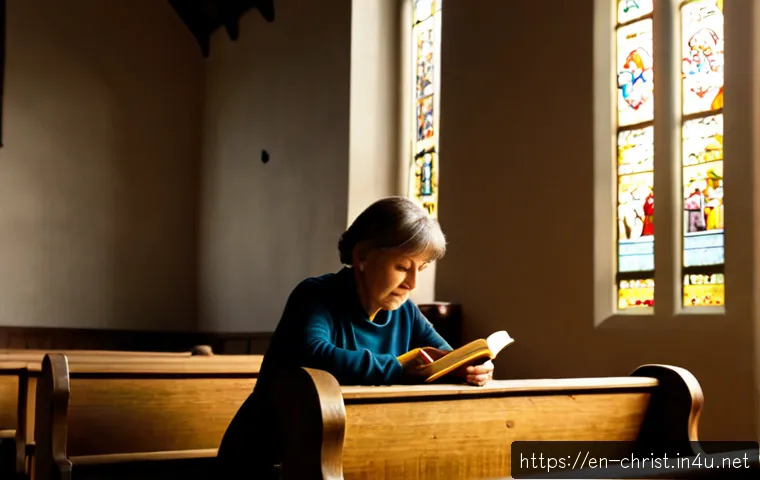
Christian self-reflection is a deliberate pause to bring ordinary life before God. You might consider what shaped your reactions, whether your words strengthened or strained a relationship, how you used your time, or what decision needs wiser attention. It can include prayer, Scripture reading, silence, journaling, or a conversation with a trusted pastor.
The practice is not a demand to account for every passing thought. It is a way to become more honest about what is happening within you and around you. A helpful question is: “What do I need to notice, bring to God, and respond to today?”
Why reflection should lead to humility, honesty, and practical action rather than shame
Healthy self-examination is honest without becoming harsh. It may reveal regret, pride, avoidance, distraction, or an unresolved conflict. Yet its purpose is not to build a case against yourself. Let reflection move toward confession where needed, gratitude where appropriate, and a specific act of faithfulness.
If your notes repeatedly become accusations with no path toward prayer, repair, or wise action, simplify the process. Write what happened, name what concerns you, pray briefly, and identify one next step. Clarity is more useful than self-punishment.
A three-line starting answer for readers who need a simple first step
Set aside a short quiet moment. Read a passage of Scripture and ask what it brings to mind about your day or week. Then write one gratitude, one concern, and one next action to carry forward in prayer.
Build a Simple Weekly Practice of Prayerful Review
Choose a quiet time, a realistic frequency, and one reflection format
Choose a time that you can return to without making the practice burdensome. Some people prefer the end of the day; others need a quieter weekly moment. The best frequency is usually the one you can maintain with attention rather than guilt.
Pick one format at first: a plain prayer journal, notes beside a Bible study, a printed reflection page, or a short list in a notebook. Changing formats too often can turn a spiritual habit into a search for the perfect tool.
Use prompts for gratitude, confession, relationships, decisions, and next steps
A repeatable checklist prevents a journal from becoming a loose collection of worries. Use a few prompts such as:
- What am I grateful for?
- What response, attitude, or habit needs honest confession?
- Where did a relationship feel difficult, encouraging, or unfinished?
- What decision or responsibility needs prayerful attention?
- What is one faithful next step I can take?
When reading Scripture, avoid forcing a quick answer from every passage. You may simply note a word, theme, question, or prayer that stays with you. The aim is attentive engagement, not a performance.
Keep notes brief enough to maintain the habit
A prayer journal does not need to become a detailed record of every day. Brief entries can be easier to revisit and less likely to become overwhelming. Try writing a few honest lines, then close with a short prayer. If you miss a session, return without trying to recreate everything you skipped.
Compare Reflection Methods, Resources, and Their Value
Private prayer and journaling: best for low-cost, flexible reflection
Private journaling offers privacy, flexibility, and room to develop your own rhythm. It may be enough when you mainly need a regular place to pray, notice patterns, and act on what you are learning. A notebook, pen, and Bible can be sufficient.
Its limitation is that private reflection can become narrow when you are facing a confusing decision or repeating the same concern. If that happens, consider adding a trusted conversation rather than assuming you need a more elaborate journal.
Guided devotionals and Bible study workbooks: best for structure and prompts
A Christian devotional, prayer journal, or Bible study workbook can help when blank pages feel intimidating. Look for a resource with a pace you can realistically follow, clear Scripture engagement, and questions that invite thoughtful response rather than canned answers.
Before buying a guided journal or study resource, check its theological fit, intended audience, writing style, and required time. A beautifully designed workbook has limited value if its approach does not suit your convictions or schedule.
Small groups, retreats, and pastoral conversations: best for accountability and discernment
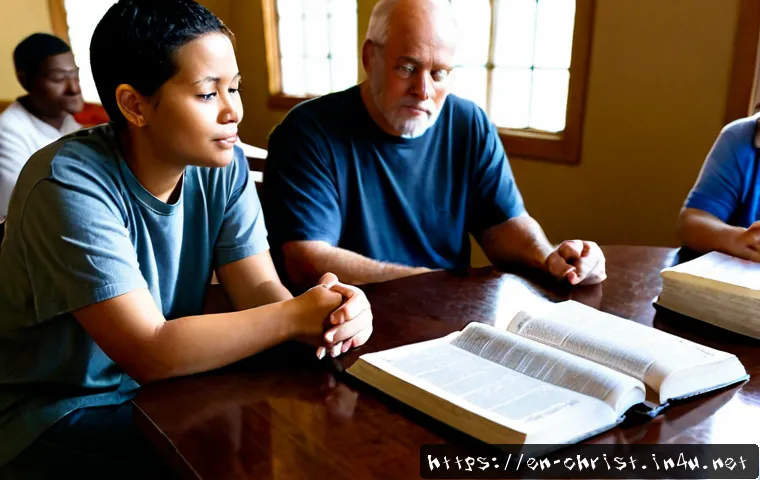
Small-group discussion can make reflection more practical by adding encouragement and accountability. A retreat may offer focused space away from normal demands. Pastoral counseling can provide a setting to talk through spiritual questions, relationships, or a decision with someone who understands your church context.
Each option requires discernment about privacy and expectations. Ask how personal sharing is handled, whether participation is voluntary, and what the leader’s role includes. Accountability should be supportive, not coercive.
Questions to ask about price, theological fit, privacy, and expected time commitment
Paid Christian resources are not automatically better than a simple practice at home. Ask what you need that a free or low-cost option does not provide. Is it a structured plan, group discussion, printed materials, a quiet setting, or one-to-one pastoral guidance?

Also ask whether the resource explains its approach clearly, whether its time demands are realistic, and whether the privacy level fits your situation. Review official details and participation conditions before enrolling in a retreat, purchasing a workbook, or arranging pastoral support.
Avoid Common Mistakes in Spiritual Self-Examination
Mistaking harsh self-judgment for spiritual maturity
Self-reflection can become unhealthy when every entry ends in condemnation or when you interpret every difficulty as personal failure. Honest examination includes responsibility, but it also includes humility, gratitude, and the possibility of change. If your practice consistently leaves you fearful or trapped, bring that concern into a trusted conversation.
Using reflection to avoid necessary conversations or practical change
Writing about a conflict is not the same as addressing it wisely. Prayerful review may reveal that you need to apologize, set a boundary, seek clarification, or make a practical plan. Do not use private reflection as a substitute for every necessary action.
Treating a devotional resource as a substitute for appropriate mental-health or crisis support
A devotional, retreat, or pastoral conversation may be meaningful spiritual support, but it is not automatically the right response to serious mental-health, grief, relationship, or safety concerns. If you are in crisis or concerned about immediate safety, seek appropriate local emergency or crisis support. For ongoing significant distress, consider qualified professional care alongside spiritual support.
Adapt the Practice to Your Current Season
When making a major decision
Use reflection to separate urgency from wisdom. Write down the decision, the values involved, the fears you notice, and the information still missing. Prayer can clarify what deserves further attention, but it does not remove the need to gather facts or seek appropriate counsel.
During conflict, regret, or relational strain
Before replaying a difficult conversation, ask what belongs to your responsibility and what does not. Consider whether you need to listen better, acknowledge harm, forgive, communicate directly, or ask for help. Keep journal entries respectful if another person’s privacy is involved.
When faith feels routine, distracted, or spiritually dry
In a dry season, reduce pressure rather than adding a complicated plan. Read a short passage, offer an honest prayer, and name what feels distant or difficult. A guided devotional or Bible study guide may provide a useful framework when you need fresh prompts, but it should not become another obligation to complete perfectly.
When a private practice is enough and when outside guidance may help
Private reflection may be enough for ordinary gratitude, habit review, and day-to-day decisions. Outside guidance may help when you feel stuck, need accountability, face a complex discernment question, or want a confidential pastoral conversation. The right level of support depends on your circumstances, comfort with sharing, and church context.
Choosing a Reflection Resource: Criteria and Comparison Summary
Choose a resource by the problem you are trying to solve. For a daily habit, a simple prayer journal may be enough. For deeper Bible engagement, consider a study guide with a clear reading and reflection format. For discernment or accountability, compare a small group, retreat program, or pastoral counseling option.
- Purpose: Do you need a daily rhythm, Bible understanding, discernment, or accountability?
- Format: Would you use a blank journal, prompted devotional, group discussion, retreat, or conversation?
- Theological fit: Does the resource align with your convictions and church context?
- Privacy: Are you comfortable with the writing prompts or the level of personal sharing expected?
- Time and budget: Can you realistically sustain the schedule and cost without pressure?
Before choosing a journal, Bible study resource, retreat, or pastoral counseling option, compare the official description, format, participation expectations, and full conditions on the relevant page.
Closing Thoughts
Christian self-reflection does not require a perfect system or an expensive resource. A regular return to prayer, Scripture, honesty, and practical obedience can be a strong foundation. Use extra structure when it genuinely helps you attend to God and your life with greater clarity. Keep the practice gentle enough to continue and honest enough to matter.
Useful Things to Know
1. A plain notebook can be a valid prayer journal.
2. Short, repeatable prompts are often more sustainable than long entries.
3. A resource should serve reflection, not replace thoughtful prayer and action.
4. Privacy expectations are worth checking before joining a group or retreat.
5. Significant emotional distress may call for support beyond a devotional practice.
Important Considerations
This is a general framework, not a substitute for personal pastoral, medical, mental-health, or crisis guidance. Theological tradition, church culture, resource quality, availability, and cost can vary widely. Review a journal, study guide, retreat program, or counseling arrangement carefully to determine whether it fits your beliefs, needs, privacy preferences, and circumstances.
Frequently Asked Questions
Q1. Do I need to buy a Christian journal or devotional to practice self-reflection?
A1. No. You can begin with prayer, Scripture, and a notebook you already have. A Christian journal or devotional may be helpful if prompts, structure, or a planned Bible study format would make it easier to stay consistent.
Q2. What is the difference between Christian self-reflection and unhealthy overthinking?
A2. Christian self-reflection is intended to lead toward honesty, prayer, humility, and a practical response. Overthinking often circles the same fears or accusations without clarity or action. If reflection repeatedly increases distress or leaves you feeling trapped, consider discussing it with a trusted pastoral leader or qualified professional.
Q3. When is pastoral counseling or a retreat more helpful than private prayer and journaling?
A3. Private prayer and journaling may be enough for ordinary spiritual habits and personal review. Pastoral counseling, a small group, or a retreat may help when you need accountability, focused time, a trusted perspective, or support while discerning a complex concern. Compare theological fit, privacy, time commitment, budget, and the nature of the support offered.