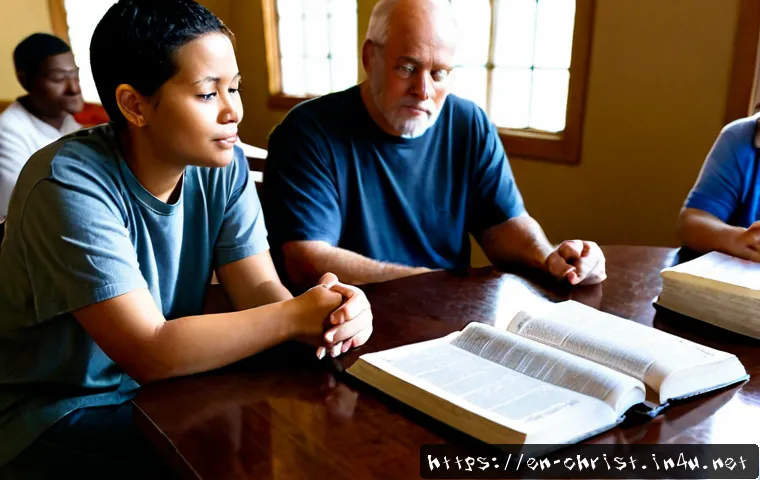
For a low-budget group, a home meeting with a simple discussion guide is often the most practical starting point. Growing groups may benefit from church rooms and clearer administration, while online-first groups need reliable meeting tools and stronger privacy habits.

The right choice depends on the group’s purpose, the people attending, and what leaders can realistically sustain. Paid Bible study curriculum, printed workbooks, scheduling software, and leadership training can be useful when they solve a clear need.
They should support meaningful Christian community, not replace personal care and wise leadership. Start with a simple structure, then review what participants and leaders actually need.
At a Glance
- Home groups can keep costs low and encourage personal connection, but hosts need clear boundaries and realistic expectations.
- Church-room groups provide structure and accessibility, although room availability and facility arrangements may add planning work.
- Online groups offer convenience for dispersed participants, but privacy, technology access, and pastoral follow-up need special attention.
| Decision Area | Lower-Cost Option | Paid or Structured Option | What to Check |
|---|---|---|---|
| Study material | Free discussion plan or shared Scripture passage | Paid Bible study curriculum and workbooks | Scope, theological fit, leader guidance, and participant cost |
| Meeting space | Home, workplace, or available church room | Rented room or organized facility use | Privacy, access, local policies, and setup responsibilities |
| Communication | Simple group messages and manual reminders | Group-management software or scheduling tools | Ease of use, privacy settings, and leader workload |
| Leader support | Church guidance and peer support | Paid leadership resources or training | Safeguarding, care boundaries, and practical leadership needs |
What Makes a Christian Small Group Helpful and Sustainable?
A Christian small group is usually most helpful when people understand why they are gathering. Many groups combine prayer, Scripture discussion, personal connection, and mutual care, but not every group needs to give equal weight to each area. A clear purpose prevents confusion and makes it easier for newcomers to decide whether the group is right for them.
Three Essentials: Shared Purpose, Consistent Care, and Realistic Leadership
First, name the main focus: Bible study, prayer, pastoral care, serving, life-stage connection, or newcomer welcome. Second, build consistent care through respectful listening, prayer, and appropriate follow-up. Third, keep leadership realistic. A willing host should not be expected to provide every answer, manage every need, or carry serious concerns alone.
A Quick Answer for Churches, New Hosts, and Existing Groups
Churches launching several groups may need a shared communication process and leader support. New hosts can begin with a simple meeting plan and a manageable format. Existing groups may need a clearer rhythm, refreshed study resources, or a change in structure if participation has become uneven. Smaller gatherings generally make it easier for each person to contribute, but the best size depends on the group’s people and purpose.
Choose the Right Meeting Model Before You Start
Home Groups: Lower Cost and Relational Depth
Home-based groups can feel welcoming and usually avoid room-rental costs. They can work well for conversation, prayer, and a Bible study curriculum that does not require much equipment. However, hosts should consider seating, accessibility, privacy, household routines, and whether the home setting is comfortable for everyone. Clear start and end times also help protect the host’s capacity.
Church-Room Groups: Accessibility, Structure, and Facility Considerations
Church rooms can offer a neutral setting, easier access to ministry support, and more predictable structure. This model may suit discipleship groups, newcomer gatherings, or meetings that need childcare or multiple discussion spaces. Confirm room availability, building procedures, access arrangements, and any local policies before making the schedule public. A church room is not automatically easier; it may require more coordination than a home gathering.
Online or Hybrid Groups: Convenience, Privacy, and Technology Needs
Online and hybrid meetings can include people who cannot travel or who live farther away. They also require dependable meeting tools, clear joining instructions, and thoughtful privacy practices. Avoid treating an online call as a casual public space when personal care is being discussed. Leaders should explain expectations for confidentiality and consider how to follow up when someone raises a serious pastoral or mental-health concern.
Compare Resources, Budget, and Value
Free Discussion Plans Versus Paid Bible Study Curriculum
A free discussion plan may be enough when a leader is comfortable guiding conversation from a Scripture passage. Paid Bible study curriculum can be useful when a group needs a defined sequence, leader notes, participant workbooks, or a particular teaching approach. Neither choice guarantees engagement or spiritual growth. Compare curriculum scope, per-person workbook costs, and leader support before choosing.
Costs to Consider: Workbooks, Food, Childcare, Rooms, and Software
Group expenses can include printed workbooks, shared meals, childcare, room rental, and online meeting tools. Costs vary by provider, location, and the needs of participants, so avoid assuming that one format is always cheaper. A simple budget conversation before launch can prevent uncomfortable surprises later. Decide whether costs are covered by the church, shared voluntarily, or avoided through a simpler format.
When Group-Management Tools or Leader Training May Be Worth Paying For
Group-management software may help when leaders are spending too much time on reminders, attendance coordination, and communication. Paid leadership resources may be worth considering when leaders need more structure around discussion skills, safeguarding, or group care. Choose tools because they reduce a real burden, not because a group appears more organized with more technology.
Set Up the Group Without Creating Avoidable Problems
Define the Purpose, Audience, Schedule, and Communication Method
Write a short description that answers four questions: Who is this group for? What will happen? When and where will it meet? How will participants receive updates? A newcomer group may need a different pace from a long-term discipleship group. Keep the communication method simple enough for leaders and members to use consistently.
Create Healthy Confidentiality and Safeguarding Boundaries
Confidentiality should be discussed early. Members can be encouraged not to repeat personal stories outside the group, while leaders should avoid promising secrecy in situations that require further support. Leaders benefit from clear safeguarding practices and a plan for referring serious pastoral or mental-health concerns to appropriate church leadership or qualified support.
Common Mistakes: Overloading Leaders, Unclear Expectations, and Forcing Participation
Groups become harder to sustain when one leader handles hosting, teaching, pastoral care, scheduling, and every follow-up alone. Unclear expectations can also frustrate participants. Make room for people to listen without pressure; meaningful participation cannot be forced. Sharing practical tasks can protect both the leader and the group’s long-term health.

Match the Group to the People Attending
Newcomer and Seeker-Friendly Gatherings
Newcomer groups benefit from plain language, a welcoming explanation of what will happen, and space for honest questions. Avoid assuming that every participant knows church vocabulary or feels ready to speak immediately. A simple Scripture discussion and personal introductions may be more appropriate than an intensive workbook.
Bible-Centered Discipleship Groups
Discipleship groups may benefit from a consistent reading plan, a structured Bible study curriculum, or leader guides that support preparation. The best material depends on church tradition, participant needs, and leadership capacity. Consider whether members prefer printed workbooks, digital access, or discussion-led meetings before purchasing resources.
Prayer, Care, and Service-Focused Groups
Prayer and care groups need especially clear confidentiality and referral boundaries. Service-focused groups should define the practical task, communication process, and responsibility level before inviting participants. In each case, the group’s stated purpose should match what people experience when they attend.
Selection Criteria and Comparison Summary
Before choosing a format, review these practical points:
- Purpose: Does the format support Bible study, prayer, care, service, or newcomer connection?
- Leader capacity: Can the host sustain preparation, communication, and follow-up?
- Budget: Are workbooks, childcare, meals, room use, or software necessary and clearly understood?
- Access and privacy: Can participants join safely and comfortably in the chosen setting?
- Support: Is there a clear safeguarding process and an escalation path for serious concerns?
Compare curriculum scope, per-person workbook costs, and leader support before choosing. For paid curriculum, group-management software, venue options, or leadership training, review the official provider page for current features, conditions, and availability.
In Closing
A sustainable Christian small group does not need a complicated system. It needs a clear purpose, a setting that fits the people attending, and leaders who understand their limits. Begin with the simplest workable format, then adjust as the group’s needs become clearer. Resources and digital tools can help when they serve the group rather than create extra pressure.
Useful Things to Know
1. Meeting frequency is not one-size-fits-all; choose a rhythm leaders and members can maintain.
2. A written group description helps participants know whether the gathering is a good fit.
3. A smaller setting can make contribution easier, but there is no universal ideal group size.
4. Review the format periodically instead of assuming the original plan must remain unchanged.
Important Notes
Curriculum pricing, software plans, room fees, and local availability vary. The most suitable meeting size, frequency, and resources depend on church tradition, local culture, leadership capacity, and participant needs. No format, study resource, or digital platform can guarantee attendance growth, spiritual outcomes, or long-term participation.
Frequently Asked Questions
Q1. How much does it cost to start a Christian small group?
A1. It may cost very little when a group meets in a home and uses a free discussion guide. Expenses can increase if the group uses paid Bible study curriculum, printed workbooks, meals, childcare, room rental, or online meeting tools. Check current local and provider costs before setting a budget.
Q2. Is a paid Bible study curriculum worth it for a small group?
A2. It can be worthwhile when leaders need a clear sequence, participant materials, or stronger guidance for leading discussion. A free plan may be enough for a group that is comfortable discussing Scripture together. Compare curriculum scope, workbook costs, theological fit, and leader support before deciding.
Q3. What is a safe and practical size for a church small group?
A3. There is no single best number. Smaller gatherings generally make it easier for everyone to contribute, but the practical size depends on the purpose, meeting space, participant needs, and leader capacity. If people are regularly unable to participate or leaders are overwhelmed, it may be time to adjust the structure or add support.