Christianity and art, two seemingly distinct realms, have been intertwined for centuries, influencing each other in profound ways. From the breathtaking stained-glass windows of Gothic cathedrals to the iconic imagery of Renaissance masterpieces, faith has fueled artistic expression, and art has, in turn, given form to spiritual beliefs.
Exploring this dynamic relationship reveals how Christian theology has inspired countless artists to grapple with themes of creation, redemption, and the divine.
It also shows how evolving cultural trends shape the way faith is visually represented and interpreted. I think it’s a fascinating journey through history, culture, and belief!
Let’s explore this in greater detail in the following article.
The Divine Spark: How Faith Ignites Artistic Creation
1. Visualizing the Unseen: Representing God and Spirituality
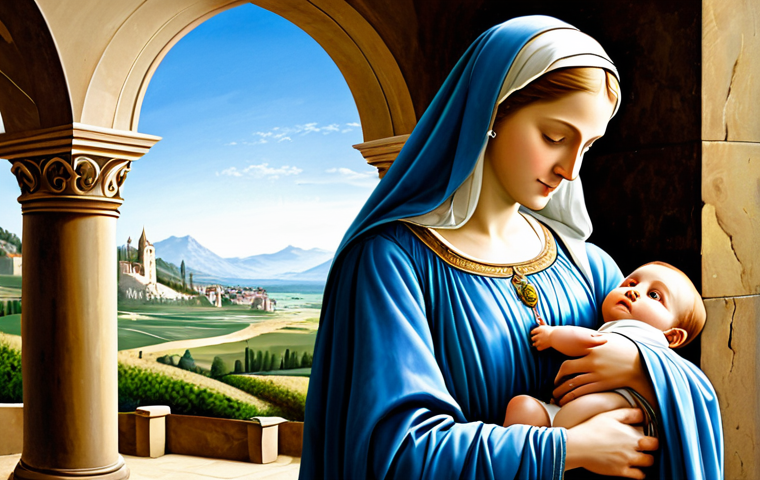
Christian art has always strived to make the intangible tangible, to give form to the formless. Think about Michelangelo’s Sistine Chapel ceiling – a breathtaking depiction of the creation story, where God is portrayed as a powerful, yet human-like figure reaching out to Adam.
It’s not about literal accuracy, but about capturing the essence of divine power and the spark of life. I remember visiting the Vatican and being utterly awestruck by the sheer scale and ambition of the artwork.
It really brings the stories of the Bible to life. This visual language, developed over centuries, uses symbols, colors, and composition to convey complex theological concepts in a way that words often cannot.
The use of light, for example, often signifies divine presence, while specific colors like gold represent holiness and royalty. It’s like a secret code, a visual shorthand that speaks directly to the soul.
2. The Power of Narrative: Biblical Stories in Art
Beyond depicting God, Christian art also serves as a powerful storytelling tool. From the Nativity scenes that adorn churches during Christmas to the dramatic portrayals of the Crucifixion, art brings biblical narratives to life.
I’ve seen countless versions of the Last Supper, each artist interpreting the scene with their own unique vision. Some focus on the betrayal of Judas, others on the shared meal and the establishment of the Eucharist.
These artistic interpretations not only reinforce religious teachings but also allow viewers to connect with the stories on a personal level. We can see ourselves in the faces of the disciples, feel their joy and sorrow, and contemplate the meaning of the events being depicted.
It is amazing to see different artists’ interpretations and styles.
3. Experiencing Faith: Art as a Means of Worship and Devotion
Christian art isn’t just about looking; it’s about experiencing. Think about the grand architecture of cathedrals, designed to inspire awe and a sense of the divine.
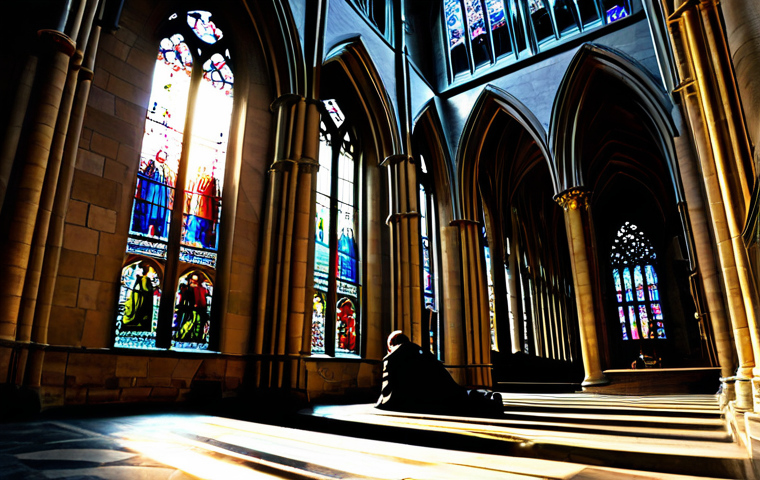
The soaring arches, the intricate carvings, and the play of light through stained-glass windows create a space that invites contemplation and prayer. Then there are the icons, revered images of Christ, the Virgin Mary, and the saints, used as focal points for prayer and devotion.
I’ve witnessed people kneeling before these icons, their faces filled with reverence and hope. It’s a tangible connection to the spiritual realm, a reminder of the presence of the divine in our daily lives.
Churches also create community, and it is a place for people to come together and celebrate their religion.
From Catacombs to Cathedrals: An Evolving Visual Language
1. Early Christian Art: Symbols and Hidden Meanings
Early Christian art, born in the shadows of persecution, was often coded and symbolic. The fish (Ichthys), the anchor, and the Good Shepherd were common motifs, offering veiled expressions of faith for a community forced to practice in secret.
I remember learning about this in art history class and being amazed by the ingenuity of these early Christians. They found ways to express their beliefs even when it was dangerous to do so.
These symbols weren’t just decorations; they were a form of communication, a way for believers to recognize each other and share their faith. The catacombs, where early Christians gathered and were buried, are filled with this symbolic art, a testament to their unwavering devotion.
This art is simple, yet elegant.
2. The Rise of the Icon: Byzantine Art and its Influence
Byzantine art, with its rich colors, stylized figures, and gold backgrounds, developed a distinct visual language that emphasized the divine and the eternal.
Icons, in particular, became central to Byzantine worship, believed to possess a sacred power and act as a window into the spiritual realm. I’ve seen these icons in museums and churches, and they have a unique presence.
They’re not just portraits; they’re meant to evoke a sense of the divine, to transport the viewer to another realm. The meticulous craftsmanship, the use of precious materials, and the strict adherence to established conventions all contributed to the icon’s sense of sacredness.
3. Gothic Grandeur: Stained Glass and the Architecture of Light
Gothic cathedrals, with their soaring heights and breathtaking stained-glass windows, represent a pinnacle of Christian artistic expression. The stained-glass windows, in particular, transformed the interior space into a kaleidoscope of color and light, creating a sense of awe and wonder.
I visited Notre Dame Cathedral in Paris before the fire, and the stained-glass windows were simply stunning. They depicted biblical stories and scenes from the lives of the saints, teaching the faithful through visual narrative.
The light filtering through the colored glass created a truly ethereal atmosphere, a space that felt both earthly and heavenly. The architecture itself was designed to lift the spirit, to draw the eye upward towards the heavens.
| Art Period | Key Characteristics | Examples |
|---|---|---|
| Early Christian Art | Symbolic, coded imagery; focus on survival and hidden worship | Catacomb paintings, Ichthys symbol |
| Byzantine Art | Rich colors, stylized figures, gold backgrounds, iconic imagery | Hagia Sophia mosaics, Virgin of Vladimir icon |
| Gothic Art | Soaring architecture, stained glass, emphasis on light and height | Notre Dame Cathedral, Chartres Cathedral |
Renaissance and Reformation: A Shift in Perspective
1. Humanism and the Divine: Exploring the Human Form
The Renaissance marked a significant shift in Christian art, with a renewed focus on humanism and the beauty of the human form. Artists like Leonardo da Vinci and Michelangelo brought a new level of realism and emotional depth to their portrayals of biblical figures.
I’ve always been struck by the humanity in Michelangelo’s David. He’s not just a biblical hero; he’s a man, with all the strength, vulnerability, and beauty that implies.
This emphasis on humanism didn’t necessarily contradict religious belief; rather, it sought to celebrate God’s creation and the potential of humanity.
It was a way of seeing the divine in the everyday, in the beauty of the natural world and the human form.
2. The Reformation’s Impact: Challenging Artistic Conventions
The Reformation brought about a period of iconoclasm in some parts of Europe, with the destruction of religious images seen as a way to purify the church.
However, the Reformation also led to new forms of artistic expression, particularly in Protestant countries, with a focus on simpler, more direct forms of worship.
I’ve seen examples of Reformation art that are incredibly powerful in their simplicity. They focus on the Word of God, on personal faith, and on the importance of living a virtuous life.
While the Reformation challenged some artistic conventions, it also paved the way for new forms of religious expression.
3. Baroque Drama: Emotion and Intensity in Art
The Baroque period, with its emphasis on drama, emotion, and grandeur, produced some of the most powerful and moving works of Christian art. Artists like Caravaggio used dramatic lighting and realistic depictions of human suffering to evoke a sense of empathy and spiritual awakening.
I remember seeing Caravaggio’s “The Entombment of Christ” in the Vatican and being overwhelmed by the raw emotion of the scene. The faces of the mourners, the weight of Christ’s body, the darkness of the tomb – it all created a powerful and unforgettable experience.
Baroque art sought to engage the viewer on an emotional level, to draw them into the story and make them feel the reality of the events being depicted.
Art as Theology: Visual Interpretations of Christian Doctrine
1. The Trinity in Art: Symbolism and Representation
The concept of the Trinity – God as Father, Son, and Holy Spirit – is a complex theological doctrine that has been represented in art in various ways throughout history.
Some artists use symbolic imagery, such as the shamrock or the three-faced figure, to represent the Trinity. Others portray the three persons of the Trinity in separate but equal forms.
I’ve seen examples of both approaches, and each offers a unique way of understanding this profound mystery. The challenge for artists is to find a way to visually represent a concept that is inherently beyond human comprehension.
2. Salvation and Redemption: Visualizing Hope and Forgiveness
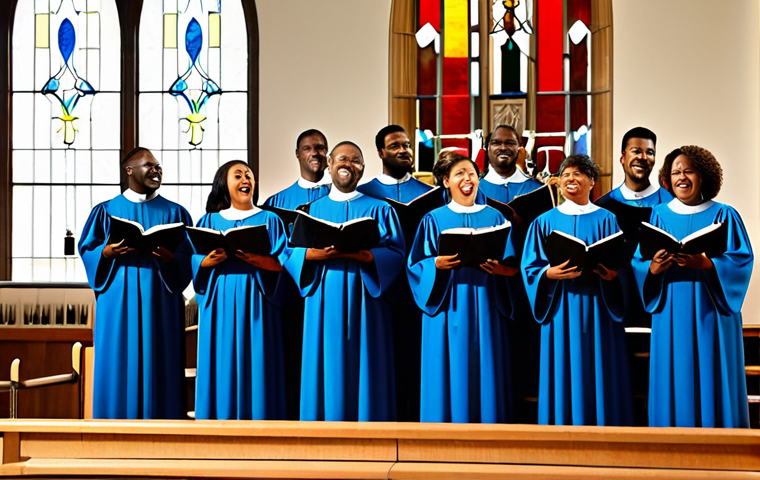
The themes of salvation and redemption are central to Christian theology, and they have been depicted in art in countless ways. From images of the Crucifixion, symbolizing Christ’s sacrifice for humanity, to depictions of the Resurrection, representing hope and new life, art offers a powerful visual language for exploring these themes.
I find that art can often express the complexities of faith in a way that words cannot. The visual representation of sacrifice, forgiveness, and new life can be incredibly moving and thought-provoking.
3. The Saints and Martyrs: Exemplars of Faith in Art
The lives of the saints and martyrs have long been a source of inspiration for Christian artists. These figures, who lived lives of extraordinary faith and courage, are often portrayed in art as exemplars of Christian virtue.
I’ve seen countless depictions of saints holding symbols of their faith, such as St. Peter with his keys or St. Catherine with her wheel.
These images serve as reminders of the power of faith and the importance of living a life dedicated to God. The stories of the saints and martyrs are often filled with drama, suffering, and triumph, providing artists with rich material for creating powerful and inspiring works of art.
Modern and Contemporary Expressions: New Visions of Faith
1. Abstracting the Divine: Non-Representational Religious Art
Modern and contemporary artists have explored new ways of expressing faith through abstract and non-representational forms. These artists often seek to capture the essence of spirituality through color, form, and texture, rather than through traditional figurative depictions.
I remember seeing a Mark Rothko exhibition and being deeply moved by his abstract paintings, which seemed to evoke a sense of the infinite and the transcendent.
While abstract religious art may not be easily understood by everyone, it can offer a powerful and deeply personal experience of faith.
2. Social Justice and Art: Faith in Action
Many contemporary artists use their work to address issues of social justice, inspired by their Christian faith. These artists create art that raises awareness about poverty, inequality, and oppression, and that calls for social change.
I’ve seen examples of this art that are incredibly powerful and moving. They challenge us to confront uncomfortable truths and to work towards a more just and equitable world.
This art is a reminder that faith is not just a matter of personal belief, but also a call to action.
3. Faith and Technology: New Media and Digital Art
The rise of new media and digital technology has opened up new possibilities for Christian artists to express their faith. From digital icons to interactive installations, artists are using technology to create innovative and engaging works of art.
I’ve seen examples of this art that are incredibly creative and thought-provoking. They challenge us to think about the relationship between faith and technology, and to explore new ways of connecting with the divine in the digital age.
The possibilities are endless, and I’m excited to see how Christian artists continue to use technology to express their faith in the years to come.
The Enduring Legacy: Art as a Bridge to Faith
1. Art as Catechesis: Teaching Through Visuals
Throughout history, Christian art has served as a form of catechesis, teaching the faithful about the stories, doctrines, and values of their faith. From the stained-glass windows of Gothic cathedrals to the illustrated Bibles of the Middle Ages, art has provided a visual language for understanding and internalizing religious teachings.
I’ve often found that visual representations can make complex theological concepts more accessible and understandable.
2. Inspiring Awe and Wonder: The Transformative Power of Art
Great works of Christian art have the power to inspire awe, wonder, and a sense of the divine. They can transport us to another realm, awaken our spiritual senses, and transform our understanding of ourselves and the world around us.
I’ve experienced this transformative power firsthand, standing before masterpieces of religious art. It’s a reminder of the beauty, mystery, and power of faith.
3. A Continuing Dialogue: The Ongoing Relationship Between Faith and Art
The relationship between Christianity and art is an ongoing dialogue, a conversation that continues to evolve and adapt to changing cultural contexts.
Artists continue to find new ways to express their faith, to explore the depths of human experience, and to connect with the divine. I believe that this dialogue is essential for both faith and art to remain vibrant and relevant in the modern world.
The enduring legacy of Christian art is a testament to the power of faith to inspire creativity and the power of art to illuminate the human spirit. The journey through Christian art reveals more than just artistic evolution; it showcases humanity’s enduring quest to express the inexpressible.
From the hidden symbols of the catacombs to the soaring heights of Gothic cathedrals, art has served as a powerful bridge to faith, inspiring awe, wonder, and a deeper understanding of the divine.
As we continue to explore new ways of expressing our spirituality in the modern world, let us remember the enduring legacy of Christian art and its ability to illuminate the human spirit.
In Closing
Christian art, from its humble beginnings in the catacombs to the grand expressions of the Baroque period and beyond, has always served as a powerful medium for conveying faith, inspiring devotion, and sparking dialogue about the divine. As we’ve explored, the evolution of Christian art reflects not only changing artistic styles but also shifts in theological understanding and cultural contexts. The enduring legacy of Christian art lies in its ability to transcend time and culture, continuing to inspire and challenge viewers to connect with their faith in profound and meaningful ways.
Whether through the symbolic imagery of early Christian art, the iconic representations of the Byzantine era, or the emotional intensity of Baroque masterpieces, art has consistently provided a visual language for understanding and expressing the complexities of Christian doctrine. From the Trinity to salvation and redemption, the lives of the saints and martyrs, art has served as a catechetical tool, teaching and inspiring generations of believers.
In the modern and contemporary era, Christian artists continue to push the boundaries of artistic expression, exploring new ways of representing faith through abstract forms, addressing social justice issues, and utilizing digital technologies. The ongoing dialogue between Christianity and art remains vital, ensuring that both continue to evolve and remain relevant in a rapidly changing world.
As we conclude this exploration of Christian art, let us remember the transformative power of art to inspire awe, wonder, and a deeper connection with the divine. May the enduring legacy of Christian art continue to illuminate our path and enrich our understanding of faith.
Good to Know
1. Visiting Religious Sites: When visiting churches, cathedrals, or other religious sites, remember to dress respectfully (covering shoulders and knees) and maintain a quiet demeanor.
2. Art History Resources: Local libraries and museums often offer free art history lectures, tours, and workshops. Check their schedules for upcoming events.
3. Supporting Local Artists: Consider purchasing artwork from local Christian artists or craftspeople. This is a great way to support the arts community and acquire unique, meaningful pieces.
4. Exploring Online Collections: Many museums and galleries offer virtual tours and online collections, allowing you to explore Christian art from around the world from the comfort of your home.
5. Understanding Art Terminology: Familiarize yourself with basic art terminology (e.g., fresco, mosaic, icon) to enhance your appreciation and understanding of Christian art.
Key Takeaways
Visualizing Faith: Christian art seeks to represent the intangible aspects of faith through visual symbols, narratives, and experiences.
Evolving Styles: Christian art has evolved through various periods, each with its unique characteristics and influences, reflecting changing cultural and theological contexts.
Theology in Art: Art serves as a visual interpretation of Christian doctrine, exploring themes like the Trinity, salvation, and the lives of saints.
Modern Expressions: Contemporary artists continue to explore new ways of expressing faith through abstract forms, social justice themes, and digital media.
Enduring Legacy: Christian art serves as a bridge to faith, inspiring awe, wonder, and a deeper understanding of the divine.
Frequently Asked Questions (FAQ) 📖
Q: How has Christian theology influenced artistic expression throughout history?
A: Christian theology has served as a massive wellspring of inspiration for artists across various periods. Think about the Renaissance, for example! The biblical narratives of creation, the Fall, and redemption provided rich subject matter for masters like Michelangelo and Raphael.
They weren’t just painting pretty pictures; they were trying to visually communicate complex theological ideas and inspire a sense of awe and reverence in viewers.
It’s like the Bible became their ultimate storyboard, fueling centuries of artistic innovation. I remember seeing Michelangelo’s Sistine Chapel ceiling in person – the sheer scale and emotional depth of those scenes just floored me.
It really drove home how deeply faith can impact art.
Q: In what ways have cultural trends shaped the visual representation of Christianity in art?
A: Oh, this is a big one! The way we picture Jesus, Mary, or even Heaven itself has changed dramatically over time, reflecting the values and aesthetics of different cultures and eras.
For instance, early Christian art was heavily influenced by Roman styles, using symbolic imagery to convey faith in a coded way. As societies evolved, so did the artistic interpretations, becoming more realistic or abstract, depending on the prevailing artistic movements.
Nowadays, you might see Christian themes explored through modern art forms like photography, digital media, or even street art. I saw a mural in my neighborhood last year that reinterpreted the Good Samaritan story with a very contemporary, urban feel, and it really made me think about the timeless relevance of those messages.
Q: Beyond paintings and sculptures, what are some other examples of art forms influenced by Christianity?
A: It’s not just about what hangs on a wall, you know? Architecture is a huge one! Gothic cathedrals, with their soaring arches and intricate stained-glass windows, are testaments to the power of faith to inspire architectural innovation.
Then there’s music – from Gregorian chants to gospel choirs, Christianity has fostered a rich tradition of sacred music. Even literature, like Milton’s Paradise Lost, has been profoundly shaped by Christian beliefs.
I used to sing in a church choir as a kid, and even though I’m not religious anymore, the beauty and power of those hymns still resonate with me. It’s amazing to consider how one faith can inspire so many different creative outlets.
📚 References
Wikipedia Encyclopedia
구글 검색 결과
구글 검색 결과
구글 검색 결과
구글 검색 결과
구글 검색 결과