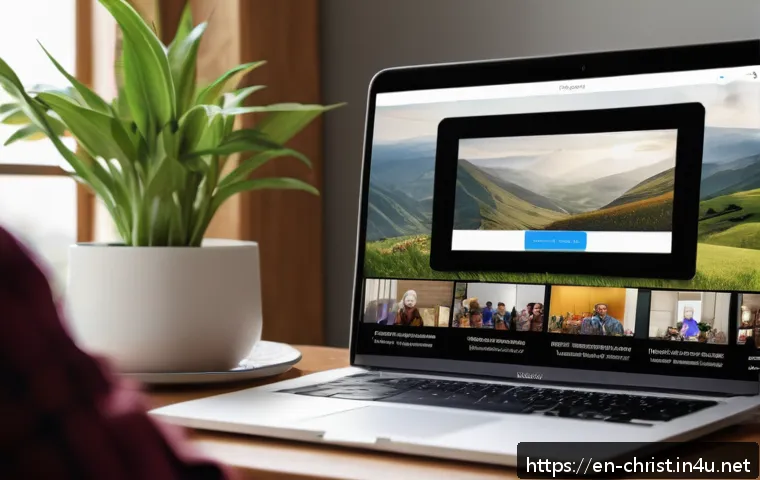
Hey there, amazing people! If you’re anything like me, your phone is practically glued to your hand, and social media is a huge part of your daily life.
We’re constantly sharing, connecting, and scrolling, right? But here’s a thought that often pops into my mind, and I bet it does for many of you too: How does our vibrant faith journey, especially as Christians, truly intersect with this ever-evolving digital world?
It’s a question I’ve personally grappled with, wondering how to authentically live out my beliefs online without getting lost in the noise or compromising what truly matters.
From what I’ve seen, it’s not just about sharing a Bible verse now and then; it’s about navigating an entirely new landscape of connection, discipleship, and even evangelism in ways that past generations couldn’t have imagined.
We’re talking about everything from engaging in meaningful discussions to maintaining a Christ-like witness in a space that can often feel anything but holy.
This fusion of our spiritual lives with the demands and opportunities of platforms like Instagram, TikTok, and X isn’t just a trend; it’s our current reality, posing both incredible potential and unique challenges.
I’ve heard countless stories, and even experienced myself, the struggle to balance genuine connection with the pressure of online performance. So, how can we leverage these powerful tools to glorify God and spread His message, all while staying true to our core values and protecting our spiritual well-being?
How do we distinguish between impactful engagement and mere digital distraction? It’s a delicate balance, and honestly, it’s something I believe every modern Christian needs to think deeply about.
This isn’t just a theoretical discussion; it’s about practical living in the 21st century, ensuring our digital footprint aligns with our faith walk. Let’s find out exactly how to navigate this exciting and sometimes tricky intersection together.
Crafting a Kingdom Presence Online: Beyond the Superficial Scroll
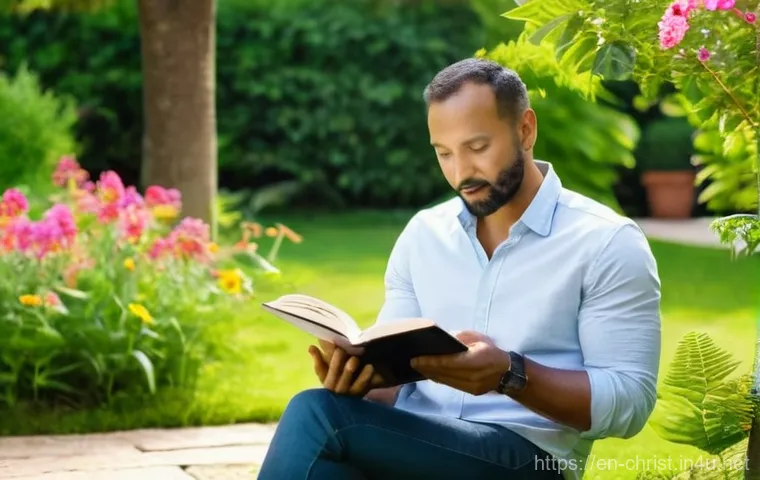
You know, it’s easy to get caught up in the endless scroll, isn’t it? We see highlight reels, perfectly curated feeds, and sometimes it feels like our own faith journey might look a little… messy in comparison. But here’s the thing I’ve learned from my own experience and from watching countless others: our online presence as Christians isn’t just about sharing a pretty verse; it’s about authentically reflecting the Kingdom of God in a world that desperately needs it. It’s about being real, being vulnerable, and being consistently Christ-like, even when the algorithms tempt us to chase fleeting trends or superficial validation. I’ve found that when you focus on genuine connection and sharing from the heart, the engagement that follows is so much more meaningful than any viral moment could ever be. It’s about building a digital space where people genuinely feel seen and heard, offering a glimpse of grace in a noisy world. This approach, while perhaps slower, builds a solid foundation of trust and encourages deeper conversations, making your online space a true refuge rather than just another stop on someone’s feed.
Defining Your Digital Ministry: More Than Just a Hashtag
Before you even think about posting, take a moment to really consider what kind of digital footprint you want to leave. Is it primarily encouragement? Discipleship? Evangelism? Or perhaps a blend? I’ve personally found that having a clear vision for my online ministry helps immensely in shaping my content and interactions. It prevents me from drifting aimlessly and ensures that every post, every comment, every story aligns with my overarching purpose. When you know your ‘why,’ it becomes so much easier to create content that resonates deeply and serves a higher calling, rather than just generating likes. Think about the unique gifts and experiences God has given you and how you can leverage those to bless others online. This clarity also helps in filtering out content ideas that might not genuinely serve your purpose, keeping your feed focused and impactful.
Authenticity Over Perfection: Letting Your True Self Shine
One of the biggest traps on social media is the pressure to be perfect. We see influencers with flawless lives, and we start to believe that’s the standard. But as believers, our strength often shines brightest through our vulnerability. I’ve discovered that sharing my struggles, my doubts, and my genuine moments of growth, alongside the triumphs, creates a far more powerful connection with my audience. People don’t connect with perfection; they connect with authenticity. They want to see that faith isn’t just for the ‘perfect’ people, but for real humans navigating real life. When I stopped trying to curate an unblemished image and started sharing my authentic journey, my engagement skyrocketed, and more importantly, the conversations became infinitely more profound. It’s about showing that faith is a journey, not a destination, and inviting others to walk alongside you, imperfections and all.
Navigating the Digital Minefield with Grace: Setting Boundaries and Battling Burnout
Let’s be real, the digital world can be an absolute minefield if you’re not careful. The constant notifications, the comparison trap, the negativity that can sometimes seep into comment sections – it’s a lot to handle. I’ve personally struggled with digital burnout, finding myself drained and discouraged after spending too much time online without proper boundaries. That’s why it’s become absolutely critical for me to intentionally create safeguards around my digital life. It’s not about disconnecting entirely, but about being mindful and intentional with how and when I engage. Just like in our physical lives, we need moments of Sabbath and rest from the digital noise to truly recharge our spirits and keep our focus on what truly matters. This often means scheduling specific times for engagement, turning off notifications, and sometimes, just walking away from the screen to spend time in prayer or with loved ones. It’s a discipline, but one that has profound benefits for our spiritual and mental well-being, helping us serve from a place of fullness rather than depletion.
Protecting Your Peace: Strategic Disengagement and Digital Sabbath
I cannot stress enough the importance of regular digital detoxes, even if it’s just for a few hours a day or one full day a week. For me, implementing a ‘digital Sabbath’ has been a game-changer. It’s a conscious decision to step away from all screens and fully engage with the present moment, with God, and with my family. This isn’t just about avoiding screen time; it’s about actively nurturing my soul and allowing space for spiritual refreshment. I’ve noticed that these periods of intentional disengagement actually make my online presence more impactful when I return, as I come back with fresh perspectives and renewed energy. It’s counterintuitive, but sometimes stepping away is the most productive thing you can do for your digital ministry. Remember, your peace is precious, and guarding it is an act of spiritual stewardship in this hyper-connected age. Don’t let the pressure to be constantly ‘on’ rob you of the inner quiet you need to hear God’s voice.
Responding to Critics: Love, Wisdom, and Knowing When to Mute
Inevitably, if you’re putting yourself out there online, you’re going to encounter critics. I’ve certainly had my share of challenging comments and even outright attacks. It can be incredibly painful, and our natural inclination might be to defend ourselves or lash out. However, I’ve learned that responding with grace, wisdom, and a prayerful heart is always the best approach. Sometimes, it’s about engaging in respectful dialogue to clarify misunderstandings; other times, it’s about simply offering a kind word and moving on. And honestly, there are times when the most spiritual response is to mute or block someone who is simply not open to civil discussion or is actively spreading negativity. It’s not about being weak; it’s about protecting your mental and spiritual space so you can continue to serve those who genuinely want to engage. As a wise friend once told me, “Not every battle is yours to fight online.” Discernment is key here, and learning to pick your battles wisely preserves your energy for truly fruitful ministry.
From Scrolling to Soul-Filling: Intentional Engagement and Meaningful Connections
It’s so easy to fall into the trap of mindless scrolling, isn’t it? We pick up our phones with the best intentions, maybe to check a message or share a thought, and before we know it, an hour has vanished into the digital ether. I’ve definitely been there, feeling that familiar pang of regret when I realize how much time I’ve just lost without really connecting or contributing anything meaningful. But what if we shifted our perspective? What if every time we logged on, we did so with a conscious intention to engage in a way that nourishes our soul and uplifts others? I’ve found that by setting clear intentions – whether it’s to offer encouragement to three specific accounts, share a personal reflection, or spend a few minutes in a faith-based group – my time online transforms from a passive consumption habit into an active, soul-filling experience. It’s about being proactive rather than reactive, making every digital interaction count for something more profound than just a fleeting like. This shift has not only boosted my own spiritual well-being but has also cultivated a community around me that is genuinely seeking deeper connection.
Beyond the ‘Like’ Button: Cultivating True Digital Community
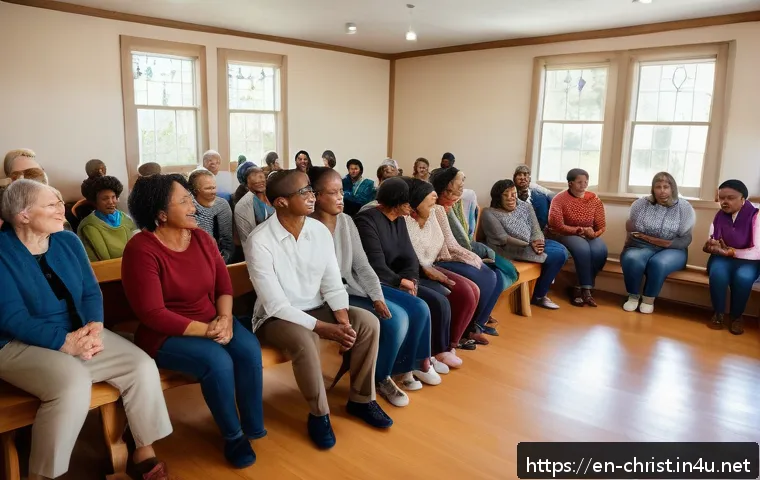
The ‘like’ button is nice, don’t get me wrong, but true community online goes so much deeper. I’ve realized that building genuine connections requires effort and vulnerability, just like in real life. It means engaging in meaningful conversations in comments sections, sending encouraging direct messages, and even participating in live streams or virtual Bible studies. It’s about remembering that behind every profile picture is a real person with real struggles, hopes, and dreams. When I started treating my online interactions with the same care and intentionality I would in a face-to-face conversation, my digital relationships blossomed. I’ve seen friendships forged across continents through shared faith, and it’s a beautiful testament to the power of technology when used for good. This isn’t just about accumulating followers; it’s about nurturing a network of brothers and sisters in Christ who can uplift and support one another, making the digital space a true extension of the global church. It’s a wonderful feeling to know you’re part of something bigger than yourself, even through a screen.
Sharing Your Story: Vulnerability as a Bridge to the Gospel
There’s immense power in personal testimony, and social media offers an incredible platform to share your story with a wider audience than ever before. I’ve personally experienced the profound impact of sharing my own journey of faith, my struggles, and how God has worked in my life. It’s not about being preachy or perfect; it’s about being authentic and allowing your vulnerabilities to become a bridge to the Gospel. When people see how faith has genuinely transformed you, it becomes relatable and compelling. I’ve found that stories, rather than just pronouncements, are what truly capture hearts and minds. It’s about demonstrating, not just declaring, the goodness of God. This often means stepping out of our comfort zones and sharing parts of ourselves that might feel a little raw, but the fruit of those courageous shares can be eternal. It’s about letting your life be a living, breathing sermon in the digital public square, inspiring others to seek the same hope and peace you’ve found.
Monetizing Your Message with Integrity: Sustaining Your Digital Outreach

Alright, let’s talk about something that often feels a bit taboo in Christian circles, but is absolutely necessary for sustaining any significant outreach: monetization. We often hear phrases like “freely you have received, freely give,” and that’s absolutely true for the message of the Gospel. However, creating high-quality, impactful content, investing in equipment, courses, and time – it all costs something. And if your digital ministry is going to thrive and reach more people, it needs resources. I’ve personally wrestled with how to balance sharing God’s truth freely while also being able to support my family and reinvest in my platform. What I’ve found is that it’s entirely possible to monetize your message with integrity, focusing on adding immense value to your audience in ways that they are happy to support. This isn’t about selling out; it’s about building a sustainable model that allows you to dedicate more time and resources to spreading the good news. It could be through affiliate marketing for products you genuinely use and believe in, creating digital products that solve a problem for your audience, or even through platform advertising. The key is transparency and always prioritizing the message and the community over profit.
Ethical Earning: Aligning Your Values with Your Income Streams
When it comes to earning online, my personal guiding principle has always been this: would I feel comfortable explaining this income stream to my pastor or my kids? If the answer is anything but a resounding ‘yes,’ then it’s probably not the right fit. I’ve explored various avenues, from sponsored content to digital courses, and the biggest lesson I’ve learned is to only promote or create things that genuinely align with my Christian values and that I believe will truly benefit my audience. This means saying ‘no’ to lucrative opportunities that don’t feel right, even when it’s tough. For example, if I’m recommending a product, it’s something I’ve personally used and loved, and I’ll always disclose any affiliate relationship. This commitment to ethical earning builds trust with my community, which is far more valuable than any short-term gain. It’s about stewarding our platforms and influence responsibly, ensuring our financial practices reflect the same integrity as our spiritual message. I’ve found that when you lead with value and authenticity, the financial blessings follow naturally.
Diversifying Your Digital Impact and Revenue Streams
Putting all your eggs in one basket, whether it’s relying solely on one social media platform or one income source, is a risky game in the ever-changing digital landscape. I’ve learned the hard way that algorithms can shift overnight, and what worked yesterday might not work tomorrow. That’s why I advocate for diversifying both your digital impact and your revenue streams. This could mean maintaining a strong presence on a few different platforms where your audience hangs out, building an email list (which is gold, by the way!), or exploring multiple ways to generate income – perhaps a combination of ad revenue, affiliate sales, and your own digital products. For instance, I might have a YouTube channel for longer-form teaching, an Instagram for daily encouragement, and a blog for in-depth articles, all leading back to a central email list. This not only broadens your reach but also provides a safety net if one platform or income source takes a hit. It’s about creating a robust, resilient digital ministry that can adapt and continue to thrive, allowing you to keep sharing your message consistently and effectively.
| Aspect of Digital Ministry | Effective Christian Online Engagement | Common Pitfalls for Believers Online |
|---|---|---|
| Content Creation | Authentic, value-driven, vulnerable storytelling, consistent and intentional posting that uplifts and informs. | Curated perfection, fear of judgment, inconsistent posting, focus on personal gain over service, sharing without context. |
| Audience Interaction | Engaging in respectful dialogue, offering encouragement, building community through meaningful comments and DMs, active listening. | Getting drawn into arguments, ignoring negative comments, not responding to genuine questions, superficial ‘likes’ only. |
| Personal Boundaries | Implementing digital detoxes, scheduling specific online times, prioritizing real-life relationships, knowing when to mute/block for peace. | Mindless scrolling, constant notifications, comparison trap, digital burnout, allowing negativity to infiltrate mental space. |
| Monetization | Transparency in all earnings, promoting only aligned and valuable products/services, seeking sustainable models for ministry growth. | Pushing products for profit over purpose, lack of disclosure, compromising values for financial gain, neglecting the ‘why’ behind earning. |
Building a Community That Lasts Beyond the Likes: Nurturing Real Relationships
Have you ever scrolled through your follower count and wondered how many of those numbers actually represent real, meaningful connections? I know I have. It’s so easy to get caught up in the vanity metrics – the likes, the shares, the follower count – but what truly sustains a digital ministry, what truly fills your cup and makes a difference, is the depth of the relationships you build. I’ve discovered that true community isn’t just about having a large audience; it’s about fostering a space where people feel genuinely seen, heard, and valued. It’s about moving beyond transactional interactions to transformational relationships, where people feel comfortable sharing their struggles and celebrating their victories with you and with each other. This takes time, intentionality, and a willingness to invest in individuals, not just broadcast to the masses. When you create this kind of environment, your community becomes a powerful force for good, a genuine reflection of the body of Christ, extending far beyond the fleeting nature of social media trends and algorithms. It’s truly one of the most rewarding aspects of this digital journey, seeing people connect and grow together.
Fostering Engagement: Asking Questions and Inviting Dialogue
One of the simplest yet most effective ways I’ve found to build a thriving community is by consistently asking open-ended questions and genuinely inviting dialogue. Instead of just posting my thoughts, I try to frame my content in a way that encourages my audience to share their own perspectives, experiences, and questions. This isn’t just about boosting engagement metrics; it’s about creating a conversation, not just a monologue. When you ask, “What are your thoughts on this?” or “How has this impacted your journey?” you open the door for people to feel valued and heard. I’ve been amazed at the rich discussions that have unfolded in my comment sections and DMs simply because I created that space. This approach transforms passive consumption into active participation, making your online space feel less like a performance and more like a gathering of friends around a virtual table. It shows that you care about their input and their walk of faith, not just about getting your message out there. It’s truly a collaborative journey, and that’s what makes it so beautiful and enduring.
Moving Offline: Bridging the Digital Divide with Real-World Connections
While our digital platforms are incredible tools for connection, I firmly believe that the ultimate goal is to foster relationships that can eventually transcend the screen. I’ve personally seen the profound impact of moving some of these online connections into real-world interactions, even if it’s just through a video call with someone across the globe. For those who are geographically closer, organizing local meetups, coffee chats, or even small group studies can take those digital friendships to an entirely new level. It validates the authenticity of the online connection and deepens the bond in ways that a screen simply cannot. I’ve had the joy of meeting so many incredible people in person who I first connected with online, and those moments have been incredibly enriching. It reinforces the idea that we’re not just avatars in a digital space; we’re real people, with real lives, sharing a real faith. Bridging this digital divide, even in small ways, strengthens the fabric of our community and reminds us that our faith is lived out in the tangible world, too, not just in the cloud.
글을 마치며
Whew, what a journey we’ve been on together today! It’s truly incredible to think about the potential we have to impact lives for Christ in this digital age. What I hope you take away from all this is that your online presence, especially as a believer, is so much more than just pixels on a screen. It’s a sacred space, a mission field, and an opportunity to reflect God’s love and grace in a world that’s often starved for both. Keep leaning into authenticity, nurturing those genuine connections, and remember to guard your heart in the process. Your unique voice and story are desperately needed, and by stewarding your platform with intention and integrity, you’re building a legacy that truly lasts.
알아두면 쓸모 있는 정보
1. Define Your ‘Why’ Clearly: Before you hit post, take a moment to ask yourself what purpose this content serves. Is it to encourage, to teach, to inspire, or to share a personal reflection? Having a clear intention behind each piece of content ensures it resonates more deeply and aligns with your overall digital ministry vision. It’s like having a compass; it keeps you from drifting aimlessly in the vast ocean of online content, making every interaction more purposeful. Knowing your ‘why’ helps you say ‘no’ to distractions and ‘yes’ to what truly matters for your audience.
2. Prioritize Authentic Engagement Over Vanity Metrics: It’s tempting to chase likes and follower counts, but true impact comes from genuine connection. Spend time responding to comments thoughtfully, engaging in DMs, and fostering real conversations. These interactions, though they may take more time, build trust and loyalty far beyond what any viral post ever could. Remember, people don’t follow numbers; they follow people who make them feel seen and valued, creating a community where everyone feels a sense of belonging and support.
3. Implement Regular Digital Boundaries: The digital world never truly sleeps, and neither will you if you’re not intentional about setting limits. Schedule specific times for content creation and engagement, and just as importantly, schedule time away from screens for rest, prayer, and real-world connections. Your spiritual and mental well-being are paramount, and a burned-out influencer can’t pour into anyone else. Think of it as a digital Sabbath – a time to recharge your soul so you can serve from a place of fullness, not depletion.
4. Consistently Provide Value and Education: Whether it’s through inspiring stories, practical tips, or profound spiritual insights, always aim to leave your audience better than you found them. Think about the problems they’re facing and how your content can offer solutions or encouragement. This builds authority and trust, positioning you as a go-to resource in your niche. When people consistently receive value from your platform, they’ll keep coming back, creating a loyal and engaged community that truly benefits from your unique perspective and wisdom.
5. Diversify Your Platform and Monetization Strategies Ethically: Don’t put all your digital eggs in one basket. Algorithms change, and platforms evolve. Consider building an email list, maintaining a presence on a few key platforms, and exploring ethical monetization methods like affiliate marketing for products you genuinely use and love, or creating your own digital resources. Always be transparent about how you earn, and ensure every income stream aligns with your values. This approach creates a sustainable ministry that can weather digital storms and continue to reach more people with integrity.
중요 사항 정리
Ultimately, a thriving digital presence rooted in Christian values comes down to a few core principles: unwavering authenticity in your message and person, intentional community building that goes beyond superficial interactions, disciplined personal boundaries to protect your well-being, and a commitment to ethically stewarding your platform for sustainable impact. It’s about serving with integrity, connecting with purpose, and allowing your faith to shine brightly in every corner of the digital landscape.
Frequently Asked Questions (FAQ) 📖
Q: How can I ensure my online presence as a Christian is truly authentic and reflects my faith, instead of just appearing “holy” or performative?
A: Oh, this is such a critical question, and one I’ve personally wrestled with quite a bit! It’s so easy to fall into the trap of curating a perfect, ‘holy’ image online, isn’t it?
But here’s what I’ve learned from my own journey and seeing countless others navigate this space: authenticity isn’t about being flawless; it’s about being real.
For me, that means not shying away from sharing my struggles and doubts, alongside my triumphs and faith declarations. When I’ve been vulnerable about a challenging season or a question I’m grappling with, I’ve found that’s when I connect most deeply with people.
It shows that my faith isn’t a performance; it’s a living, breathing part of my everyday life, complete with its ups and downs. Think about it, if we only ever share the highlight reel, we miss the opportunity to truly minister to those who are in the messy middle.
It’s about building genuine relationships, not just collecting likes. I’ve noticed that when I focus on sharing my true self, guided by my faith, the engagement becomes so much more meaningful, and frankly, those are the posts that resonate the most and keep people coming back for more of that real connection.
Q: The internet can be incredibly harsh. How do I maintain a Christ-like witness when faced with criticism, judgment, or even outright attacks online?
A: This is where the rubber meets the road, right? It’s one thing to share inspiring content, and another entirely to face the fire of online negativity.
I’ve definitely had my share of those moments where a comment or a message just hit differently, making me want to either lash out or retreat completely.
But, in those instances, I always try to take a deep breath and remember the example of Jesus. He responded with grace and truth, even to His accusers.
For us, that often means pausing before we type. Is my response going to reflect His love? Or is it fueled by my own hurt or ego?
Sometimes, the most Christ-like response is no response at all, or a simple, prayerful blessing. Other times, it’s engaging with thoughtful discernment, offering clarity without getting defensive.
I’ve personally found that taking a moment to pray for the person behind the screen, even if their words are hurtful, shifts my perspective entirely. It allows me to respond from a place of peace, rather than anger.
It’s not easy, but it’s crucial for maintaining our witness. And honestly, showing that kind of grace in a digital world full of snark? That’s powerful, and people notice when you rise above the fray, which can actually draw them in.
Q: How do I use social media effectively for God’s glory without it becoming a spiritual distraction or just another time-sink?
A: Ah, the eternal battle against the scroll! This question hits home because it’s something I actively work on every single day. Social media is a powerful tool, but like any tool, it can be misused or become a distraction if we’re not intentional.
For me, the key has been establishing clear boundaries and purposes. Before I even open an app, I often ask myself: “Why am I here right now? What is my intention?” Is it to connect?
To share encouragement? To learn? Or am I just mindlessly scrolling?
I also dedicate specific times for engaging online and then intentionally put my phone away. It’s like having a digital “Sabbath” for parts of my day.
I’ve also found immense value in following accounts that genuinely uplift and inspire me spiritually, and unfollowing those that drain my energy or tempt me into comparison.
It’s about curating your feed to be a source of blessing, not a black hole of distraction. When I approach social media with a clear purpose and disciplined habits, it transforms from a potential time-sink into a powerful platform for sharing my faith and connecting meaningfully.
It’s about quality over quantity – deeper, more intentional interactions tend to lead to better engagement and a far more positive experience for everyone, including myself!