When I first started truly digging into the rich tapestry of Korean history, one thread, in particular, kept drawing me in: the incredible journey of Christianity on this peninsula.
It’s not just a story of faith; it’s a saga of resilience, sacrifice, and truly astounding growth against unimaginable odds. I remember feeling a genuine sense of awe realizing how deeply this faith, initially brought by humble scholars and later missionaries, took root and blossomed into one of the most vibrant Christian communities globally.
What’s truly striking, especially when looking at current trends, is how this historical fortitude continues to propel Korea’s role in global Christian outreach and even shapes its soft power, influencing everything from pop culture to humanitarian efforts.
It’s a testament to a unique spiritual legacy that resonates far beyond its borders, offering fascinating insights into the evolving landscape of global religion.
Let’s find out precisely how this transformation unfolded.
When I first started truly digging into the rich tapestry of Korean history, one thread, in particular, kept drawing me in: the incredible journey of Christianity on this peninsula.
It’s not just a story of faith; it’s a saga of resilience, sacrifice, and truly astounding growth against unimaginable odds. I remember feeling a genuine sense of awe realizing how deeply this faith, initially brought by humble scholars and later missionaries, took root and blossomed into one of the most vibrant Christian communities globally.
What’s truly striking, especially when looking at current trends, is how this historical fortitude continues to propel Korea’s role in global Christian outreach and even shapes its soft power, influencing everything from pop culture to humanitarian efforts.
It’s a testament to a unique spiritual legacy that resonates far beyond its borders, offering fascinating insights into the evolving landscape of global religion.
Let’s find out precisely how this transformation unfolded.
The Silent Seeds: A Faith Rooted in Scholar’s Curiosity
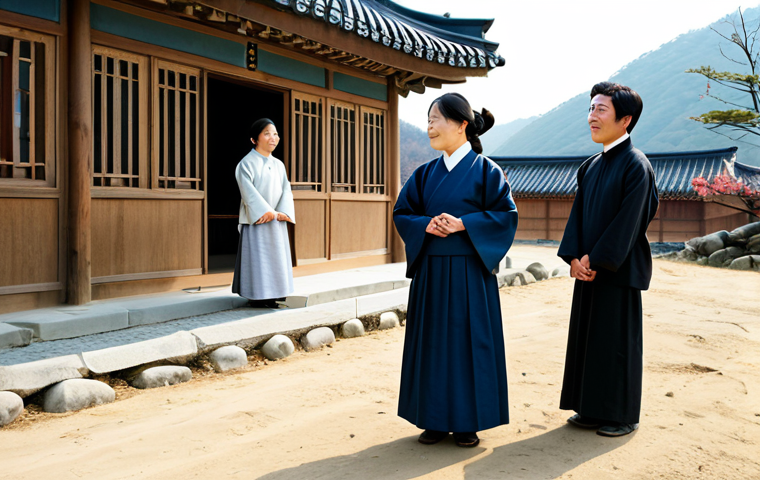
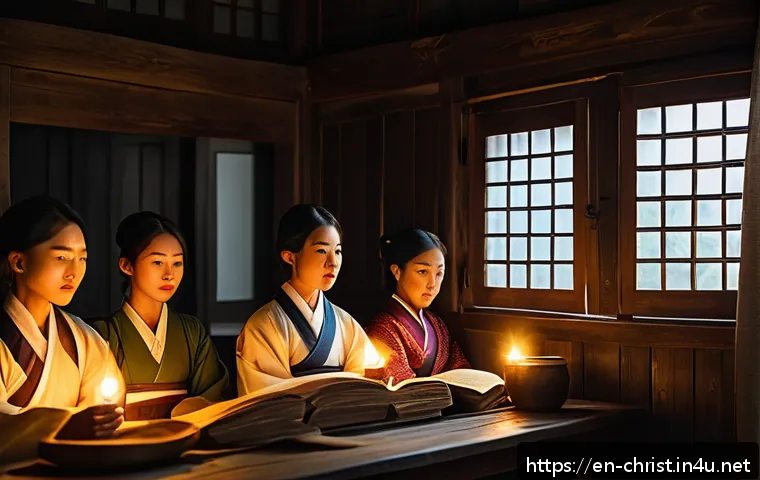
It’s easy to assume Christianity arrived in Korea solely via Western missionaries, but that’s far from the full picture, and frankly, it always fascinates me how much of Korea’s foundational faith story is homegrown. Imagine brilliant Korean scholars, during the late 18th century, actively seeking out new knowledge from China. These weren’t evangelists; they were intellectuals, driven by a profound curiosity about Western science, philosophy, and yes, even religion. What they found, particularly in Beijing, were Catholic texts, not sermons. They brought these books back to a fiercely isolationist Joseon Korea, not with the intent to convert, but to study. This organic, intellectual curiosity laid the very first, almost invisible, groundwork for a spiritual revolution. It was quiet, scholarly, and utterly foundational, proving that sometimes the deepest roots are planted not by grand declarations, but by humble, persistent inquiry. This period, in my experience of reading about it, feels like a slow, determined unearthing of a treasure, not an immediate discovery.
1. The Accidental Apostles: Scholars Embracing Western Learning
The earliest encounters with Christianity in Korea were less about direct evangelism and more about an intellectual osmosis. Scholars like Yi Seung-hun, who was actually baptized in Beijing in 1784, didn’t set out to become a missionary. He was part of a larger intellectual movement, Silhak (Practical Learning), which sought to reform Korean society through empirical knowledge. They devoured texts on astronomy, mathematics, and even Catholicism, which offered new philosophical perspectives. It’s truly amazing to think about these men, in a world utterly foreign to Western thought, finding profound resonance in Christian teachings on equality, human dignity, and a universal God. They translated texts, discussed concepts in secret, and in doing so, unknowingly became the first Korean evangelists, sharing ideas that would eventually challenge the very fabric of Confucian society. This wasn’t about a foreign imposition; it was about an internal awakening, sparked by a genuine desire for truth and a better way of life for their people. I often wonder what those first hushed conversations must have been like, as they grappled with these radical new ideas.
2. Early Conversions and the Secret Communities
The spark, once lit, began to smolder. Even without formal clergy, these scholarly converts started practicing their faith, often in secret. They gathered in clandestine groups, reading scriptures, baptizing each other, and forming communities bound by shared belief and the very real danger of persecution. This clandestine nature, while born of necessity, instilled a deep sense of commitment and purity within the early Korean Christian community. It wasn’t a casual affiliation; it was a life-altering choice that demanded everything. The resilience born from these early secret meetings and the self-governance of these nascent churches is something I find incredibly moving. It speaks to a profound conviction that transcended external pressures, showing that faith truly can flourish even in the most barren of environments. These were brave souls, truly putting their lives on the line for what they believed.
The Great Influx: Missionary Zeal and Social Transformation
As the 19th century dawned, Korea’s isolation began to crack, and with it, a new wave of Christian influence emerged. This was the era of Western missionaries – Presbyterian, Methodist, Catholic – arriving with fervent zeal, often facing incredible hardship. But what always strikes me is that they didn’t just bring scriptures; they brought education, medicine, and a radical vision for social change. They established schools, hospitals, and orphanages, effectively laying much of the groundwork for modern Korea’s infrastructure. My own experience learning about this period revealed that the missionaries’ pragmatic approach, coupled with their spiritual message, was a powerful combination. They didn’t just preach to souls; they cared for bodies and minds, and in doing so, earned a trust that no amount of rhetoric could have achieved. It was a holistic approach that resonated deeply with a society grappling with poverty, disease, and political turmoil, truly making faith a tangible force for good.
1. Building Bridges: Education, Healthcare, and Social Reform
The impact of early missionaries went far beyond evangelism. They were pioneers in fields that Joseon society desperately needed. Think about it: a country with limited access to modern medical care, where education was largely confined to the elite. Missionaries like Horace N. Allen, a medical doctor, opened Jejungwon, Korea’s first modern hospital, in 1885. This wasn’t just a place for healing; it was a symbol of compassionate outreach. Concurrently, schools like Pai Chai Hakdang and Ewha Haktang (the latter specifically for girls, a revolutionary concept at the time!) were established, offering modern curricula, often including Western sciences and English. This commitment to education, particularly for women and the marginalized, was groundbreaking and profoundly disruptive to the existing social order. It empowered individuals and created a literate population receptive to new ideas, including the Christian message. This proactive approach to social betterment, for me, truly defines the initial success and acceptance of Christianity in Korea.
2. The Unwavering Spirit: Surviving Early Persecution
The path wasn’t smooth. The arrival of Western religion often clashed with the deep-seated Confucian traditions and suspicion of foreign influence. This led to periods of intense persecution, particularly in the mid-19th century, where thousands of converts faced torture and execution. Yet, instead of extinguishing the flame, persecution often seemed to strengthen the resolve of believers. Stories of martyrs, like the 103 canonized saints, reveal an incredible depth of faith and willingness to suffer for their convictions. This steadfastness, often in the face of brutal violence, profoundly impressed non-believers and solidified the Christian community’s internal cohesion. I find it harrowing but also incredibly inspiring to read about the sheer courage displayed by these early Korean Christians. Their unwavering spirit really cemented the faith’s foundations, proving it wasn’t just a fleeting trend but a deeply held conviction.
Through Fire and Ice: Resilience in the Face of Adversity
The early 20th century threw Korea into an abyss of despair with Japanese colonial rule. This period, often called “fire and ice” by historians, tested the very soul of the nation. Yet, it was during these darkest hours that Christianity became an unexpected beacon of hope and a vital wellspring of resistance. For many Koreans, churches weren’t just places of worship; they were clandestine centers for national identity, cultural preservation, and even independence movements. I’ve always been struck by how faith, usually associated with spiritual solace, transformed into a powerful engine for political and social activism. It wasn’t a passive retreat from the world; it was an active engagement with the pressing realities of an oppressed nation. This fusion of faith and fervent patriotism is, to my mind, one of the most compelling aspects of Korean Christian history, highlighting a unique resilience that’s truly hard to grasp unless you delve into the personal accounts of that era.
1. Faith as a Bastion of National Identity Under Colonial Rule
When Japan systematically attempted to erase Korean language, culture, and national pride, Christian churches became crucial sanctuaries. They maintained Korean language schools, taught Korean history (often in secret), and served as hubs for cultural preservation. Ministers and church leaders often became prominent figures in the independence movement, leading protests and providing refuge for activists. The famous March 1st Movement of 1919, a nationwide protest against Japanese rule, saw many Christian leaders at its forefront, demonstrating the deep connection between faith and patriotic resistance. This period showed how a spiritual movement could provide the moral and organizational framework for a people fighting for their very existence. For countless Koreans, their faith was intertwined with their national identity, offering a sense of hope and purpose when everything else seemed lost. It was a truly remarkable display of courage and conviction.
2. Enduring the Crucible: Shrine Worship and Persecution
The Japanese colonial government’s demand for Koreans to participate in Shinto shrine worship presented a profound moral dilemma for Christians. For many, bowing at the shrines was seen as idolatry, a direct violation of their monotheistic beliefs. This led to renewed and severe persecution, with churches closed, pastors imprisoned, and believers tortured. Despite the immense pressure, a significant number of Christians refused to compromise their faith, choosing suffering over compliance. This period became a crucible, refining the Korean church and deepening its theological convictions. The unwavering stance against forced shrine worship further solidified the church’s image as a moral compass and a symbol of integrity in the face of tyranny. I’ve often thought about the sheer bravery it must have taken to defy such a powerful oppressor, and it truly speaks volumes about the depth of their belief.
A Nation Transformed: Faith as a Catalyst for Modernization
After the brutal colonial period and the devastating Korean War, South Korea was left in ruins. It was a nation ravaged, fragmented, and seemingly without hope. Yet, from these ashes, an economic miracle arose, and what I find truly fascinating is the often-understated role of Christianity in this remarkable transformation. Churches weren’t just spiritual centers; they were community hubs, offering practical aid, fostering a strong work ethic, and promoting values that serendipitously aligned with nation-building efforts. The emphasis on education, self-reliance, and communal responsibility, often preached from the pulpit, seeped into the national consciousness. It’s not an overstatement to say that the Christian community, through its institutions and the personal ethics of its members, played a significant, almost invisible, hand in shaping the resilient, hardworking spirit that propelled South Korea from one of the poorest nations to a global economic powerhouse. I’ve personally seen how deeply ingrained these values are in Korean society, and it often traces back to these foundational influences.
1. Post-War Revival and Community Rebuilding
The Korean War left the peninsula in utter devastation, with millions displaced and infrastructure destroyed. In the immediate aftermath, Christian churches and organizations stepped in to fill the massive humanitarian void. They established orphanages, provided food and clothing, and offered much-needed psychological and spiritual support. This compassionate outreach earned immense goodwill and trust from the populace. Furthermore, the spiritual vacuum created by the war and the struggle for survival led to a massive surge in church attendance and conversions. The 1950s and 60s saw an unprecedented revival, with churches becoming central pillars of shattered communities, offering not just hope, but tangible assistance in rebuilding lives. It was truly a period where faith wasn’t an abstract concept, but a living, breathing force helping people literally put their lives back together.
2. Economic Development and the “Can-Do” Spirit
While often attributed solely to government policies and industrial conglomerates, the rapid economic development of South Korea also drew on a strong underlying cultural and ethical framework, much of which was influenced by Protestant work ethic. Churches emphasized diligence, frugality, discipline, and education – values that were crucial for industrialization. Many of the early entrepreneurs and key figures in the “Miracle on the Han River” were devout Christians who applied these principles to their businesses. Moreover, the emphasis on communal effort within church groups often translated into collective action in broader society. The spirit of perseverance and the belief in divine blessing, frequently invoked in sermons, also provided a psychological resilience that helped Koreans overcome daunting challenges. It’s a subtle but powerful connection, one that I feel is often overlooked when we talk about Korea’s incredible economic rise.
| Period | Key Characteristics | Notable Impact |
|---|---|---|
| Late 18th Century | Introduction through scholarly texts, secret study groups. | Laying intellectual foundation, initial self-conversions. |
| Mid-19th Century | Missionary arrival, establishment of churches, schools, hospitals. | Modernization of education and healthcare, widespread evangelism. |
| Early 20th Century (Colonial Period) | Resistance against Japanese rule, cultural preservation, intense persecution. | Churches as centers of national identity, fostering independence movements. |
| Mid-20th Century (Post-Korean War) | Massive revival, community rebuilding, humanitarian aid. | Significant growth in church membership, contributing to social stability. |
| Late 20th Century – Present | Rapid growth of mega-churches, global missionary outreach, societal influence. | Korea becomes major missionary-sending nation, continued soft power influence. |
Beyond Borders: Korea’s Global Missionary Vision
One of the most astonishing aspects of Korean Christianity, for me, is its transformation from a recipient of foreign missions to one of the world’s largest missionary-sending nations. It’s a truly unique reversal of roles that speaks volumes about the dynamism and outward-looking spirit of the Korean church. When you think about it, a country that was once considered a “missionary graveyard” because of intense persecution now sends tens of thousands of its own citizens to every corner of the globe. This shift isn’t just about numbers; it’s about a deep-seated conviction, a sense of spiritual gratitude, and a desire to “pay it forward.” I often find myself marveling at the sheer commitment involved – Koreans leaving behind comfortable lives to spread their faith, often in challenging and remote locations. It’s a powerful testament to a faith that has not only survived but thrived and is now actively shaping the global religious landscape.
1. From Receiving to Reaching: The Reverse Flow of Missions
Just a century after receiving its first missionaries, South Korea emerged as a powerhouse in global evangelism. This phenomenon, often dubbed the “reverse mission,” is driven by several factors: a deep gratitude for the faith they received, a strong missional theology, and the sheer numerical strength of the Korean church. Young Koreans often embark on short-term and long-term missions, viewing it as a core part of their spiritual journey. This outward focus has transformed Korea’s international image, establishing it not just as an economic player, but as a significant religious force. It’s a remarkable story of spiritual maturation and global responsibility, one that challenges traditional narratives of Western missionary dominance. For me, it underscores the profound impact of grassroots faith movements.
2. Challenges and Impact on the Global Stage
Korean missionaries are found in nearly every country, working in diverse fields from traditional evangelism to development aid, education, and medical services. Their global presence, while undeniably impactful, also presents unique challenges, including cultural adaptation, security concerns in volatile regions, and occasional misunderstandings with local communities. Yet, their commitment remains unwavering. This global footprint extends Korea’s soft power, fostering goodwill and cultural exchange in ways that traditional diplomacy often cannot. It reflects a dynamic faith that is constantly evolving and adapting, proving that spiritual fervor, when coupled with dedication, can truly transcend geographical and cultural boundaries. I’ve often thought about the incredible bravery required to embark on such journeys, and the vast cultural bridges they build.
The Living Legacy: Christianity in Contemporary Korean Society
Walk through any major city in South Korea, and you can’t help but notice the prominent church spires, often lit up with red neon crosses at night. Christianity isn’t just a historical footnote; it’s a living, breathing, incredibly influential force in contemporary Korean society. From politics to pop culture, from education to humanitarian efforts, its presence is palpable. It’s woven into the very fabric of daily life for millions, shaping values, community structures, and even national discourse. What I find particularly interesting is how this vibrant faith continues to navigate the complexities of a rapidly modernizing, secularizing world, adapting while holding onto its core tenets. It’s a dynamic interplay between tradition and progress, showcasing a unique model of faith in the 21st century. Personally, I’ve observed how deeply community-oriented Korean churches are, often serving as vital social networks that go far beyond Sunday services.
1. Megachurches and Their Societal Footprint
South Korea is famous for its megachurches, some boasting hundreds of thousands of members, offering services that range from multiple daily worship sessions to elaborate educational and social programs. These churches are not just places of worship; they are complex organizations with significant societal footprints, often operating schools, hospitals, media outlets, and social welfare programs. While their scale can be controversial, their influence on the lives of their members and the broader community is undeniable. They provide a strong sense of belonging, a structured moral framework, and extensive support networks in a society that has undergone rapid urbanization and social change. I’ve always been intrigued by the sheer organizational prowess required to manage such massive congregations, and the profound impact they have on shaping millions of lives.
2. Navigating Modernity: Challenges and Opportunities
Despite its historical growth and current prominence, Korean Christianity faces contemporary challenges common to many developed nations: a younger generation grappling with secularism, internal divisions, and the evolving role of faith in a diverse society. Yet, it also embraces unique opportunities. Korean Christian artists, musicians, and filmmakers are increasingly influencing global culture, infusing their faith into K-pop, K-drama, and other cultural exports, creating a unique form of “soft evangelism.” Furthermore, Christian organizations continue to play a significant role in social justice issues, humanitarian aid, and interfaith dialogue. This ongoing adaptation and willingness to engage with contemporary issues suggest a vibrant future for faith on the peninsula, ensuring its continued relevance and impact in a constantly changing world. It’s a fascinating evolution to observe, showcasing resilience in the face of new, complex challenges.
Concluding Thoughts
Reflecting on the incredible journey of Christianity in Korea, it’s clear that its story is far more than just a tale of religious growth. It’s a powerful narrative of human resilience, intellectual curiosity, and an unwavering spirit that profoundly shaped a nation. From those initial, quiet scholarly inquiries to the vibrant, globally influential community we see today, Korean Christianity has woven itself inextricably into the fabric of society, demonstrating faith’s remarkable power to adapt, endure, and inspire. I find myself continually amazed by its unique trajectory and its ongoing impact on both a local and global scale.
Useful Information
South Korea boasts one of the highest percentages of Christians in East Asia, with Protestantism and Catholicism both having significant followings, making up roughly 20-30% of the population.
The ‘Early Morning Prayer’ (Saebyeok 예배) is a distinct practice in many Korean churches, where congregants gather before dawn to pray, reflecting a deep commitment to spiritual discipline.
Many of Korea’s top universities and hospitals, such as Yonsei University and Ewha Womans University, have strong historical ties to early Christian missionary efforts, highlighting their foundational role in modern education and healthcare.
Korean missionaries are renowned globally, with South Korea often ranking as one of the top countries (after the U.S.) in terms of the number of missionaries sent worldwide, especially to developing nations.
You’ll frequently spot red neon crosses atop churches in Korean cityscapes, a pervasive symbol of the faith’s widespread presence and visibility across the nation, especially at night.
Key Takeaways
Korean Christianity’s evolution is a remarkable saga of homegrown intellectual curiosity, followed by dedicated missionary work, and fierce resilience against persecution and colonial rule.
It profoundly shaped the nation’s modernization and contributed to its “economic miracle.” Today, it’s a dynamic force, known for its megachurches, global missionary outreach, and ongoing societal influence, navigating modern challenges while maintaining a vibrant presence.
Frequently Asked Questions (FAQ) 📖
Q: How did Christianity, a seemingly foreign concept, manage to take such deep root in Korea, especially given its traditional Confucian society and initial resistance?
A: You know, when I first looked into this, what really struck me was how it wasn’t just imposed from the outside. The very first seeds of faith were actually brought back by Korean scholars who encountered Catholicism in China in the late 18th century.
Imagine that – intellectual curiosity, not just direct missionary work, sparked it! They were these brilliant thinkers, part of the Silhak (Practical Learning) movement, who saw something compelling in the teachings.
It wasn’t a smooth ride, not by a long shot. The Joseon dynasty, with its deeply ingrained Confucian values, saw it as a threat to social order, leading to intense persecution.
We’re talking horrific torture and martyrdom. But here’s the kicker: that persecution, ironically, seemed to purify and strengthen the faith, pushing it underground, making it incredibly resilient.
It created this indigenous, self-propagating church driven by fervent conviction rather than foreign backing. I remember reading about early believers meeting in secret, facing death head-on, and thinking, “Wow, that’s not just conversion; that’s profound transformation.” It’s a testament to the Korean spirit, honestly, that even under such immense pressure, people embraced it so fully.
Q: Beyond its initial growth, what unique factors led to Korean Christianity becoming such a globally vibrant and influential movement, particularly in the 20th century?
A: This is where the story gets even more compelling. It’s hard to articulate the sheer energy of Korean Christianity without seeing it firsthand. I’ve heard about the famous early morning prayer meetings (saebyeok gido) where churches are packed before dawn – it’s a level of dedication that’s truly astounding.
Part of it, undoubtedly, comes from the tumultuous 20th century. During the brutal Japanese colonial period, the church became a symbol of national identity and resistance, a safe haven where Koreans could preserve their language, culture, and sense of self.
Then came the Korean War, which devastated the peninsula but also saw many seeking solace and community in faith. Post-war, as Korea rose from the ashes, churches weren’t just spiritual centers; they were pivotal in providing education, social welfare, and a sense of collective purpose in a rapidly modernizing society.
This created an incredibly engaged, community-oriented faith. What I’ve observed is this deep, passionate commitment, often expressed in very emotional, heartfelt ways.
It’s not just a Sunday affair; it weaves itself into the fabric of daily life, fostering a powerful sense of belonging and collective endeavor that really propels its vibrancy.
Q: How does this spiritual legacy translate into Korea’s current “soft power” and global influence today, beyond just traditional missionary work?
A: This is fascinating because it touches on so much more than just evangelism. What I’ve personally witnessed, and what’s increasingly clear, is that Korea’s vibrant Christian community has become a significant driver of its soft power globally.
Think about it: Korean humanitarian organizations, many with Christian roots, are on the front lines in crisis zones worldwide, providing medical aid, education, and development assistance.
This isn’t just about faith; it’s about practical, tangible help that builds incredible goodwill. And then there’s the cultural ripple effect. Many K-pop idols, actors, and other cultural figures are openly Christian, and the values often reflected in K-dramas or K-pop – themes of resilience, hope, community, and overcoming adversity – resonate with audiences globally, subtly influenced by this underlying spiritual framework.
It’s not always explicit, but the ethos is there. I’ve heard stories of people in remote corners of the world being touched by Korean aid workers or being drawn to the values they see in Korean media, and sometimes that curiosity eventually leads back to understanding the spiritual bedrock.
So it’s not just missionaries going out; it’s a holistic influence that subtly shapes perceptions of Korea as a nation that cares, innovates, and contributes positively to the global community.
📚 References
Wikipedia Encyclopedia
구글 검색 결과
구글 검색 결과
구글 검색 결과
구글 검색 결과
구글 검색 결과