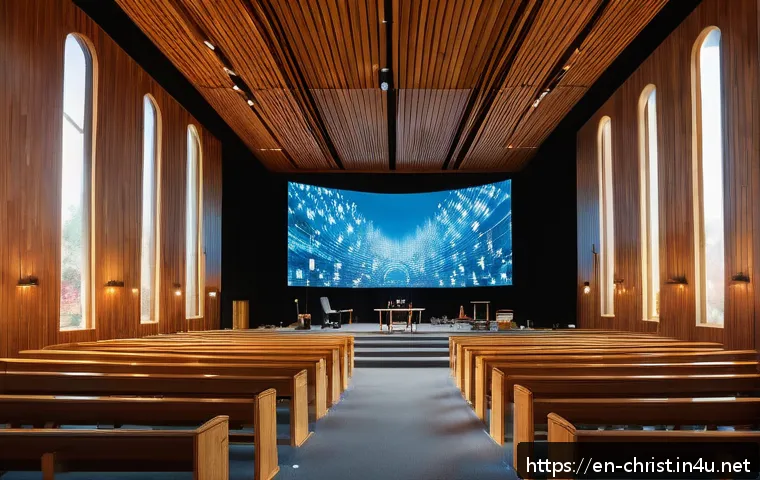
Hey everyone! Ever wondered about the faith that shapes millions of lives and conversations, especially across the United States and beyond? When I first started exploring different spiritual paths, I found myself continually encountering evangelical Christianity, and let me tell you, it’s a profound journey into deeply held beliefs about faith, personal transformation, and sharing a powerful message.
It’s more than just a denomination; it’s a vibrant, often misunderstood movement that has left an indelible mark on culture, politics, and communities worldwide.
We’re going to unpack its core tenets, explore its influence, and hopefully clarify some common misconceptions you might have. Let’s get into the nitty-gritty and truly understand this influential faith!
Unpacking the Core: What Truly Drives This Faith?

The Personal Encounter: A Foundation of Belief
When you really dive into evangelical Christianity, one of the first things that truly strikes you is the absolute emphasis on a personal relationship with God. It’s not just about attending church or following a set of rules – although those things certainly play a role for many. What really sets it apart, in my experience, is this deep-seated belief that each individual needs to have a direct, personal conversion experience, often referred to as being “born again.” I remember talking to a friend who grew up in the church, and even for him, there was a specific moment where he felt like his faith became his own, not just something he inherited. It’s this profound internal shift, a moment of choosing to follow Jesus, that becomes the cornerstone for everything else. This isn’t just a theological concept; it genuinely feels like the heartbeat of the movement, influencing everything from how services are structured to how individuals approach their daily lives. This emphasis on a personal, transformative encounter really shapes how people understand their purpose and their place in the world, making faith a deeply intimate and active journey rather than a passive observance. It’s a journey I’ve seen play out in countless lives, bringing a sense of renewed hope and direction.
Living It Out: Transformation in Everyday Life
Once that personal encounter happens, the expectation within evangelical circles is often about a continuous process of transformation. It’s not a one-and-done deal; it’s about actively striving to live a life that reflects those core beliefs. This really impacts daily decisions, from how people spend their money and time to how they interact with their families and communities. I’ve witnessed firsthand how this desire for personal growth inspires acts of kindness, generosity, and a commitment to ethical living. It’s not always easy, of course, and people grapple with challenges just like anyone else, but there’s a strong emphasis on seeking guidance through prayer and studying the Bible to navigate life’s complexities. I’ve often thought about how this constant pursuit of spiritual growth translates into tangible actions – whether it’s volunteering at a local food bank, offering support to a struggling neighbor, or advocating for causes they believe in. It’s a dynamic faith that encourages introspection and outward action, making it a very active and engaging way of life for millions of people.
Beyond the Walls: How This Movement Shapes Communities
Community and Connection: Finding Your Tribe
One aspect of evangelicalism that always impresses me is the incredible emphasis on community. It’s more than just a Sunday morning gathering; it’s about genuine connection and support that extends throughout the week. I’ve seen firsthand how these communities become a second family for many, offering a safety net during tough times and a place to celebrate life’s joys. Whether it’s small group Bible studies, youth programs, or outreach events, there’s a deliberate effort to foster deep relationships. I remember a time when I was going through a particularly stressful period, and the support I saw friends receiving from their church community was truly heartwarming. People show up for each other – bringing meals, offering childcare, or simply lending an ear. This sense of belonging is incredibly powerful, creating a vibrant network where individuals feel seen, valued, and understood. It’s a dynamic that contributes significantly to the well-being of its members, reinforcing the idea that faith is best lived out in solidarity with others, forming bonds that often last a lifetime and provide a true sense of belonging in an often-fragmented world.
Social Impact: A Force for Change?
It’s hard to ignore the broader social footprint of evangelical Christianity. Beyond the local church, this movement has been a significant force in charitable work, advocacy, and social justice initiatives, both domestically and internationally. From disaster relief efforts to establishing schools and hospitals in underserved areas, the impulse to “love your neighbor” often translates into concrete action. I’ve followed the work of various evangelical organizations that are on the front lines, tackling issues like poverty, human trafficking, and lack of access to clean water. While sometimes these efforts can become entangled with political movements, at their heart, many are driven by a genuine desire to alleviate suffering and promote human dignity. My observations suggest that this commitment to social engagement stems directly from their theological convictions, believing that faith should be expressed through practical service to the world around them. It’s a reminder that deeply held beliefs often spill over into tangible efforts to make the world a better place, sparking a lot of good and contributing to the fabric of society in countless meaningful ways.
The Call to Share: Why Spreading the Message Matters
From Local to Global: The Mission Mindset
A distinctive feature of evangelical Christianity is its strong emphasis on evangelism and missionary work. It’s not just about experiencing faith personally; there’s a deep-seated conviction that this message of hope is meant to be shared with others. This drives everything from local outreach events – think community fairs and food drives – to expansive global missions. I’ve met individuals who have dedicated years, even decades, to serving communities in far-flung corners of the world, building relationships and sharing their beliefs. The commitment to this “Great Commission” is truly impressive, and it fuels a massive network of organizations and individuals working across cultures and continents. For many, this isn’t just an obligation; it’s a passionate calling, a genuine desire to see others experience the same transformative faith they’ve found. It’s a global movement, constantly evolving and adapting, demonstrating a consistent drive to reach out and connect, reflecting a profound sense of purpose that extends far beyond individual spiritual practice and touches lives across the globe, bringing together diverse people under a shared spiritual vision.
Personal Stories: The Power of Testimony
One of the most compelling ways evangelicals share their faith is through personal testimonies. It’s not always about theological debates or complex doctrines; often, it’s simply about sharing one’s own story of how faith has impacted their life. I’ve heard countless stories of people overcoming addiction, finding purpose after loss, or experiencing profound personal changes, all attributed to their faith journey. These personal narratives are incredibly powerful because they are relatable and authentic. When someone shares their struggles and triumphs, it creates a connection that academic discussions often can’t. I’ve often thought about how effective this approach is – it’s not preachy, it’s just human. It invites listeners to consider their own lives and perhaps find common ground or new perspectives. This focus on individual experience makes the message feel accessible and personal, fostering empathy and understanding, and really highlighting the transformative power that this faith can hold for individuals seeking meaning and change in their lives. It’s a deeply personal way to engage with the world.
Common Misconceptions: Clearing the Air
It’s Not Just Politics: Understanding Diverse Views
One common misconception I’ve encountered about evangelical Christianity is that it’s solely a political movement, particularly in places like the United States. While it’s true that many evangelicals are politically engaged and often align with conservative viewpoints, reducing the entire faith to just its political leanings misses a huge part of the picture. I’ve had conversations with countless evangelicals who hold a wide range of political opinions, and for most, their faith is primarily about their personal relationship with God and their spiritual journey, not just a partisan platform. The media often focuses on the most vocal political aspects, but in my experience, the everyday life of an evangelical is far more nuanced and diverse than those headlines suggest. It’s important to remember that this is a vast and varied movement, encompassing millions of individuals with diverse backgrounds, interests, and perspectives, and their faith is a deeply personal matter that extends far beyond the ballot box. Understanding this helps to move beyond stereotypes and appreciate the true complexity of the movement and its followers.
Faith and Reason: A Balanced Perspective

Another area where I think there’s often misunderstanding is the relationship between faith and reason within evangelicalism. Some might assume it’s a faith that dismisses intellect or scientific inquiry, but that’s not what I’ve observed. While there’s certainly a strong emphasis on spiritual belief, many evangelicals are highly educated and actively engage with philosophical and scientific questions. I’ve attended discussions where people thoughtfully grappled with complex topics, seeking to integrate their faith with their understanding of the world. There’s a rich tradition of scholarship and intellectual pursuit within evangelicalism, with many universities and seminaries dedicated to rigorous academic inquiry. It’s not about choosing between faith and reason, but often about finding ways they can coexist and even enrich each other. My personal take is that a healthy faith often encourages critical thinking and a deeper exploration of truth, rather than shying away from it. It’s a dynamic interplay that fosters intellectual curiosity and encourages individuals to think deeply about their beliefs and the world around them, rather than simply accepting things at face value.
My Journey and Observations: What I’ve Learned
Personal Reflections: A Deeper Look
Through all my explorations and conversations, what I’ve truly learned about evangelical Christianity is its incredible resilience and the profound impact it has on individual lives. It’s easy to look at broad strokes or media portrayals, but when you sit down with someone and hear their personal story, it shifts your perspective entirely. I’ve seen how this faith provides a framework for navigating life’s biggest questions, offering solace in times of grief and direction in moments of uncertainty. It’s not a perfect movement – no human endeavor ever is – but at its heart, there’s a sincere desire for spiritual growth and a commitment to living a life of purpose. What has always resonated with me is the sense of hope it offers, a belief in something bigger than oneself that can truly transform lives. It’s a faith that actively encourages introspection and continuous improvement, making it a very dynamic and engaging spiritual path for those who embrace it, constantly pushing them to reflect on their values and actions in the world.
Navigating the Landscape: Tips for Understanding
For anyone looking to understand evangelical Christianity better, my biggest tip is to approach it with an open mind and a willingness to listen to individual stories. Don’t rely solely on sensational headlines or broad generalizations. Seek out diverse voices within the movement. Talk to people who live this faith every day, read books from a variety of evangelical authors, and explore different denominations and expressions of the faith. You’ll quickly discover that it’s far from monolithic. It’s a vibrant tapestry woven with countless individual experiences, cultural expressions, and theological nuances. Understanding its core tenets – like the importance of personal conversion and biblical authority – will give you a good foundation, but truly appreciating its depth requires engaging with the human element. From my own journey, I can tell you that genuine understanding comes from curiosity and a willingness to step beyond preconceived notions, allowing you to see the real people and their authentic beliefs that make up this influential faith.
The Modern Pulse: Adapting to a Changing World
Engaging Digitally: Reaching New Audiences
In today’s fast-paced, digitally-driven world, it’s fascinating to watch how evangelical Christianity is adapting and thriving in online spaces. Gone are the days when outreach was solely about door-to-door visits or large crusades. Now, podcasts, YouTube channels, vibrant social media communities, and meticulously designed websites have become crucial platforms for sharing messages of faith. I’ve personally seen how skilled content creators within the evangelical movement are using these tools to connect with younger generations and diverse audiences who might never step foot in a traditional church building. From daily devotionals shared on Instagram to deep theological discussions on Spotify, the digital landscape offers unprecedented opportunities for engagement and learning. This adaptability demonstrates a strategic understanding of modern communication, showing that the core message remains timeless even as the methods of sharing it evolve. It’s exciting to observe how this blend of traditional values and contemporary techniques is creating new avenues for spiritual exploration and community building in the digital age, truly expanding the reach of their message.
Future Directions: Evolution of a Movement
As the world continues to change at an exhilarating pace, it’s clear that evangelical Christianity, like any significant movement, is constantly evolving. What I foresee is a continued emphasis on adapting its practices and expressions to remain relevant to new generations and diverse cultural contexts. We might see even more localized expressions of faith, with less emphasis on a singular, overarching identity, and more on community-specific interpretations. There’s a growing conversation within evangelicalism about issues of justice, inclusivity, and environmental stewardship, suggesting a broadening of focus beyond purely personal salvation. My personal feeling is that this movement, with its foundational commitment to personal transformation and global outreach, will continue to find innovative ways to engage with complex societal challenges. It will be fascinating to witness how it navigates the tensions between tradition and modernity, maintaining its core convictions while responding to the pressing needs and questions of an ever-changing world. The journey is far from over, and its future promises to be as dynamic as its past.
| Key Aspect | What it Means for Many Evangelicals |
|---|---|
| Personal Conversion | A transformative, individual experience of accepting Jesus as Lord and Savior, often referred to as being “born again.” It’s seen as the start of a new spiritual life and a direct relationship with God. |
| Biblical Authority | The belief that the Bible is the inspired and authoritative Word of God, serving as the ultimate guide for faith and daily living. It shapes moral values, theological understanding, and life choices. |
| Evangelism & Mission | A strong conviction to share the Christian message with others, both locally and globally. This involves personal testimony and active participation in missionary efforts to spread their faith. |
| Community & Discipleship | The importance of belonging to a local church or faith community for spiritual growth, mutual support, and fellowship. It’s about living out faith alongside others and learning to follow Christ more closely. |
Wrapping Things Up
Diving deep into the world of evangelical Christianity has been quite the journey, hasn’t it? From the intensely personal faith experience to its profound community impact and global reach, it’s clear this is a movement with incredible depth and dynamism. What I truly hope you take away from our chat is a richer understanding that moves beyond headlines and stereotypes, revealing the human stories and sincere convictions that truly define it. It’s a faith lived out vibrantly by millions, constantly evolving, and always seeking to connect with the heart of human experience.
Handy Insights You’ll Want to Keep
Here are some distilled nuggets of wisdom and practical tips I’ve gathered through my own explorations, which I believe can truly enrich your understanding and interactions with this influential faith.
-
Engage with Diverse Voices, Not Just Echo Chambers: When you’re trying to truly grasp a complex movement like evangelical Christianity, it’s absolutely vital to seek out a wide spectrum of perspectives. Don’t just read articles or listen to podcasts that confirm what you already think you know. Actively look for evangelical authors, theologians, and regular churchgoers from different denominations and geographical regions. Their experiences and interpretations can vary significantly. I’ve personally found that engaging in respectful conversations with individuals who hold diverse views within the faith has opened my eyes to nuances I would have otherwise completely missed. It’s about moving beyond the loudest voices and understanding the rich tapestry of beliefs and practices that truly exist, rather than settling for a simplified, often media-driven, narrative. This broadens your personal insight and helps you form a much more informed and empathetic perspective on the subject, which is invaluable in today’s interconnected world.
-
Focus on Personal Narratives: The Human Element is Key: Beyond theological doctrines or political affiliations, the most powerful way to understand evangelicalism is through individual stories. People’s personal testimonies of faith, struggle, and transformation offer an authentic window into what this belief system truly means on a day-to-day basis. Instead of getting bogged down in abstract concepts, try to find opportunities to listen to or read personal accounts. Many churches host testimony nights, and there are countless books and online platforms where people share their spiritual journeys. I’ve always felt that these raw, honest stories cut through so much of the noise, allowing you to connect on a deeply human level. It reveals the emotional core, the hopes, fears, and triumphs that shape a person’s faith, making it far more relatable and understandable than any academic analysis ever could. This is where the heart of the movement truly beats.
-
Understand the Core Tenets, But Expect Variation: While evangelical Christianity has some foundational beliefs – like the authority of the Bible, the need for personal conversion, and the importance of evangelism – it’s crucial to remember that these are expressed in countless ways. Don’t expect every evangelical church or individual to look, sound, or believe exactly the same. There’s significant denominational diversity, from Baptists and Pentecostals to non-denominational communities, each with their own traditions, worship styles, and interpretations of scripture. I’ve often seen people make the mistake of generalizing from one encounter or one media portrayal. My advice is to understand the overarching principles but always be prepared for the rich tapestry of how these principles are lived out. It’s a dynamic and evolving faith, so keeping an open mind about its varied expressions will prevent misunderstanding and foster a more accurate appreciation of its scope and depth.
-
Recognize Its Global Nature: It’s Not Just a Western Phenomenon: It’s easy, especially if you’re in the West, to view evangelical Christianity primarily through a Western lens. However, this faith is a truly global movement, with vibrant and rapidly growing communities across Africa, Asia, and Latin America. Their cultural expressions, worship styles, and even theological emphases can be quite different from what you might encounter in North America or Europe. Ignoring this global dimension means missing a massive and incredibly significant part of the evangelical story. I encourage you to seek out stories and insights from these global communities. Websites, documentaries, and international mission organizations often share incredible insights into how faith is lived out in these contexts. This broadens your perspective immensely and helps you appreciate the universal appeal and adaptability of the faith, showing how deeply it resonates across diverse cultures and socio-economic backgrounds, making it a truly global phenomenon.
-
Approach with Respect and Curiosity, Not Just Judgment: Regardless of your own personal beliefs or background, approaching the study or discussion of any faith tradition, including evangelical Christianity, with an attitude of respect and genuine curiosity is paramount. It’s far too easy to fall into the trap of preconceived notions or to be swayed by negative stereotypes. Instead, try to engage with questions like, “What do they truly believe?” or “What motivates this community?” rather than “Why are they wrong?” I’ve personally found that when I approach topics with an open heart and a willingness to learn, I gain far more insight and build more meaningful connections. This doesn’t mean you have to agree with everything, but it fosters an environment where genuine understanding can flourish, making for much more productive and enriching dialogue, and helping to break down barriers that often exist between different belief systems.
Key Takeaways for Your Mind
As we wrap up our exploration, let’s distill some of the most crucial points about evangelical Christianity. What truly defines this movement is its unwavering emphasis on a personal, transformative relationship with Jesus, often experienced as a “born-again” moment, which then serves as the bedrock for all other aspects of faith. This personal journey doesn’t happen in isolation; it’s deeply interwoven with a vibrant sense of community, where shared beliefs and mutual support create powerful bonds that often extend beyond traditional church settings. Furthermore, a profound commitment to spreading its message, both locally and globally through evangelism and missionary work, underscores its dynamic and outward-looking nature. And crucially, it’s a faith that, despite common misperceptions, encompasses a vast spectrum of political views and intellectual engagements, continually adapting to a changing world while holding firm to its core spiritual convictions. This blend of personal conviction, communal strength, global mission, and ongoing evolution makes it a truly compelling and significant force in today’s spiritual landscape.
Frequently Asked Questions (FAQ) 📖
Q: What are the core beliefs that truly define evangelical Christianity?
A: So, when I first started digging into this, I quickly realized that evangelicalism isn’t just one monolithic church; it’s a vibrant movement within Protestant Christianity, and it’s driven by a few really compelling, central convictions.
For me, the absolute bedrock is the idea of a “born again” experience—this deeply personal and transformative moment where an individual commits their life to Jesus Christ.
It’s not just about being a church member; it’s about a spiritual awakening, a personal relationship. Then there’s the absolute authority of the Bible.
Evangelicals typically believe the Bible is the inerrant, inspired Word of God, and it’s the ultimate guide for faith and life. Seriously, every time I’ve chatted with an evangelical friend or read their resources, this commitment to scripture shines through.
And of course, there’s the passionate call to evangelism, sharing this good news with others. It’s truly about spreading the message of salvation through Christ’s death and resurrection.
These aren’t just abstract ideas; they’re lived out daily, shaping how millions view their purpose and place in the world.
Q: How does evangelical Christianity really stand apart from other Christian denominations, like Catholicism or mainline Protestant churches?
A: This is a question I wrestled with quite a bit when I was trying to map out the Christian landscape! While all Christians share fundamental beliefs about Jesus, the differences can be pretty significant.
From my perspective, evangelicalism’s strong emphasis on that personal, conscious conversion experience really sets it apart from traditions like Catholicism, where sacraments often play a more central role from infancy.
For many Catholics, faith is nurtured within the church community and through rituals like baptism and communion from a young age, whereas evangelicals often highlight a specific, life-altering moment of decision.
And compared to some mainline Protestant denominations, you often find evangelicals placing a stronger emphasis on the inerrancy of the Bible and a more conservative approach to social issues.
I’ve noticed a real drive among evangelicals to apply biblical teachings directly to contemporary life, often leading to distinct views on things like family, ethics, and even politics.
It’s not about one being “better” than the other, but rather different pathways and priorities within the broader Christian faith, each with its own beautiful complexities.
Q: What’s the scoop on evangelical influence in
A: merican culture and politics? It seems to come up a lot! A3: Oh, you’re hitting on a huge point here!
The influence of evangelical Christianity, especially in the United States, is undeniably massive and has been for centuries, though it’s definitely evolved.
I remember wondering why I kept hearing about “the evangelical vote” or “evangelical leaders” in the news. What I’ve learned is that, historically, evangelicals have been deeply involved in social reform movements, from abolitionism to the temperance movement.
In more recent decades, their impact has often been felt powerfully in conservative politics, advocating for policies that align with their moral and ethical interpretations of scripture, particularly on issues like abortion, religious freedom, and family values.
It’s not a monolith, though—you’ll find a range of political views within the evangelical community, and trust me, they don’t always agree! But their collective engagement, whether through grassroots activism, voting, or prominent leadership, definitely makes them a significant voice in public discourse.
It’s a testament to how deeply faith can intertwine with civic life, shaping not just individual lives but the very fabric of a nation.