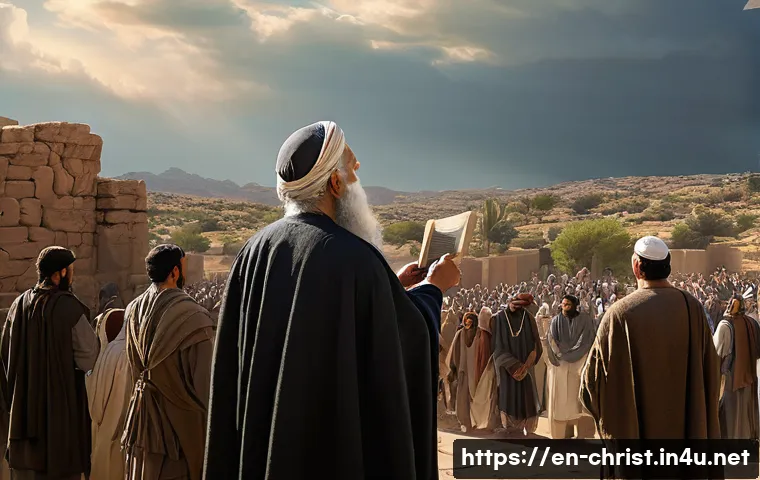
Have you ever picked up a Bible, flipped through its pages, and felt a little overwhelmed by its sheer size and history? I know I have! It’s like stepping into an ancient library, full of stories, wisdom, and profound messages that have shaped civilizations for thousands of years.
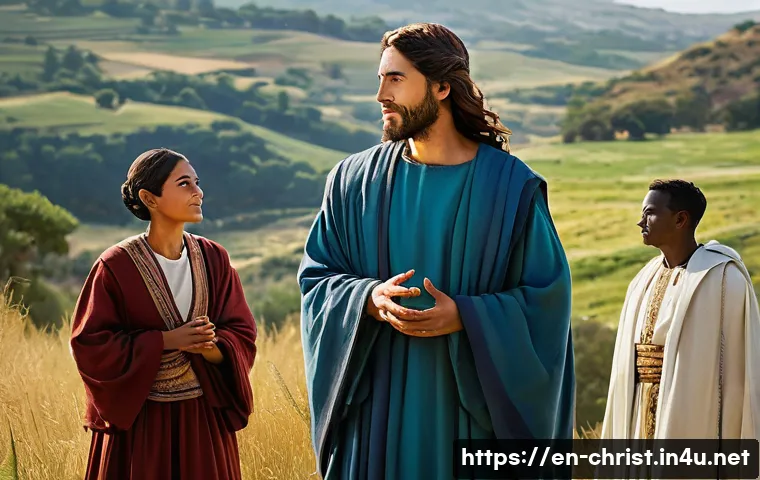
But often, the terms “Old Testament” and “New Testament” get thrown around, and it leaves many of us wondering, “What exactly *is* the difference between them?” It’s a fantastic question, and trust me, understanding their unique purposes and connections can truly unlock a deeper appreciation for this incredible collection of writings.
Join me as we explore the fascinating distinctions and seamless narratives that bind these two powerful sections together. We’ll uncover their mysteries and see why they both remain so incredibly relevant today.
Let’s dive in and truly understand what sets them apart.
The Shifting Landscape of Divine Covenants
For years, when I first started exploring the Bible, I honestly found myself a bit tangled in the terminology. “Covenant,” “Law,” “Grace”—it all felt a bit like a theological obstacle course.
But what a revelation it was when I finally grasped that these two major sections, the Old and New Testaments, are fundamentally structured around different divine agreements with humanity.
The Old Testament, as I came to understand it, largely centers on the Mosaic Covenant, a deeply intricate framework of laws, commandments, and ceremonial practices given to ancient Israel.
It was a beautiful, albeit rigorous, system designed to set God’s chosen people apart, guiding their moral, social, and spiritual lives. You see, it really showed them what holiness looked like and how far short they fell.
This covenant established a profound relationship, marked by blessings for obedience and consequences for disobedience, all intended to point towards a greater need for redemption.
The focus was very much on the outward adherence to the Law, providing a tangible way for people to interact with the divine, even if it often highlighted their inability to perfectly uphold its standards.
It was like a spiritual tutor, showing the way but also highlighting the desperate need for something more, something deeper, something that could actually transform the heart from the inside out, rather than just dictating external behaviors.
This understanding truly shifted my perspective from seeing the Old Testament as just a collection of old stories to recognizing it as the foundational groundwork for everything that was to come.
From the Law of Moses to the New Agreement
Stepping into the New Testament, the air feels different, doesn’t it? It’s like moving from a rigid, highly structured classroom to a more open, grace-filled workshop.
The New Testament introduces us to what’s often called the New Covenant, and for me, this was the pivotal moment of understanding. This isn’t just an update; it’s a complete paradigm shift.
No longer are people under the strictures of the Mosaic Law as the primary means of relating to God. Instead, the New Covenant, established through Jesus Christ, emphasizes grace, forgiveness, and an internal transformation of the heart.
Where the Old Testament’s covenant was often external, written on stone tablets, the New Covenant promises to write God’s laws on our hearts and minds.
This isn’t to say the Old Testament Law is irrelevant – far from it! It still brilliantly illuminates God’s character and His perfect standards. But the New Testament beautifully reveals how Jesus fulfilled those requirements perfectly, making a way for everyone to have a relationship with God not through their own flawless performance, which is an impossible feat, but through faith in His finished work.
This shift from “doing to be accepted” to “being accepted because of what was done” was honestly life-changing for me, simplifying my faith in a profound way.
The Promise of Redemption Unfolding
If you’re anything like me, you probably love a good story with a compelling arc, where hints in the beginning lead to a grand reveal at the end. The Old Testament is absolutely brimming with promises and prophecies about a coming Redeemer.
These weren’t just vague hopes; they were specific, detailed predictions about someone who would deliver humanity from its brokenness. You read about the serpent crusher in Genesis, the suffering servant in Isaiah, the king from the line of David – each a piece of a magnificent, divine jigsaw puzzle.
I remember poring over these passages, feeling the anticipation build, wondering how it would all connect. This intricate tapestry of foreshadowing laid the groundwork, creating a deep yearning for the promised Messiah.
It’s like watching the first season of an incredible series, knowing there’s a magnificent conclusion on the horizon. The entire narrative of the Old Testament, from the Garden of Eden onwards, consistently points to humanity’s need for rescue and God’s unwavering plan to provide it.
It’s a testament to God’s long-term vision, patiently guiding His people and preparing the world for the ultimate act of love.
Meet the Main Characters: Prophets, Kings, and a Savior
When you dive into the Old Testament, you encounter a truly magnificent cast of characters. We meet towering figures like Moses, who led a nation through the desert and received the Law directly from God.
Then there are the brave, yet flawed, kings like David and Solomon, whose reigns brought both glory and moral complexity to Israel. And let’s not forget the prophets—fiery messengers like Isaiah, Jeremiah, and Elijah—who spoke truth to power, warned of impending judgment, and offered glimmers of hope.
Each of these individuals, in their own way, was instrumental in shaping the early history and spiritual trajectory of God’s people. I’ve always found their stories incredibly relatable, full of human triumphs and failures, reminding me that even the most revered figures wrestled with their faith and made mistakes.
Their experiences provide such rich lessons, not just about ancient history, but about human nature and God’s persistent interaction with us. Their leadership, prophecies, and struggles are integral to understanding the foundation upon which the New Testament is built.
They truly paved the way, preparing the hearts and minds of people for the grandest entrance of all.
Guiding Lights of the Ancient World
The prophets, in particular, hold a special place in my heart when thinking about the Old Testament. They weren’t just fortune-tellers; they were divine spokespersons, calling people back to God, challenging societal injustices, and revealing God’s character.
Imagine being one of them, delivering unpopular messages to kings and an often stubborn populace! Their courage and unwavering commitment to God’s word, even in the face of persecution, are truly inspiring.
They articulated God’s holiness, His justice, and His enduring love, constantly reminding Israel of their covenant responsibilities. What I found fascinating was how their messages weren’t just for their immediate audience, but carried profound implications for future generations.
Their writings are a treasure trove of wisdom, ethical guidance, and glimpses into God’s long-term plan for humanity. They weren’t just predicting the future; they were shaping it through their faithful proclamation, acting as spiritual compasses in a world that often lost its way.
I often find myself returning to their words for guidance and perspective in my own life.
The Central Figure of a New Narrative
Then we turn the page to the New Testament, and everything shifts focus to one unparalleled figure: Jesus Christ. If the Old Testament sets the stage and introduces the problem of human sin and the need for a savior, the New Testament introduces the solution in the most personal and profound way imaginable.
Jesus isn’t just another prophet or king; He is presented as God incarnate, the long-awaited Messiah who perfectly fulfills all the Old Testament prophecies.
His life, teachings, crucifixion, and resurrection form the very core of this new narrative. It’s impossible to overstate the impact of His arrival. Suddenly, all those ancient promises, all those symbolic rituals, all those hints and whispers, coalesce into a vibrant, living reality.
I remember feeling such a sense of awe and clarity when I realized how perfectly Jesus fit into every prophecy. He didn’t just talk about love; He embodied it.
He didn’t just teach about forgiveness; He offered it through His sacrifice. He became the direct access point to God, making a way for a personal, intimate relationship that wasn’t possible before.
It truly felt like the missing piece of the puzzle finally clicked into place.
Understanding the Heart of the Message: Law vs. Grace
One of the biggest “aha!” moments I had in my spiritual journey was truly grasping the fundamental difference between the operating principles of the Old and New Testaments.
In the Old Testament, the Law was paramount. It was designed to expose sin, guide moral conduct, and establish a framework for a holy life within the covenant community.
While it wasn’t intended as a means of earning salvation through perfect obedience, it certainly felt like a heavy burden at times. The emphasis was on external adherence to a complex set of rules and rituals—sacrifices, dietary laws, festivals—all pointing towards the need for atonement and a perfect righteousness that humanity simply couldn’t achieve on its own.
I recall feeling a sense of constant striving, a perpetual awareness of falling short when reading about the stringent demands. It highlighted humanity’s desperate need for a Savior, demonstrating that no matter how hard we try, we can’t measure up to God’s perfect standard.
This wasn’t a flaw in the Law itself, which is holy and good, but rather a profound revelation of human limitation and imperfection.
The Weight of Expectations and Commandments
Think about it: keeping up with all the Old Testament laws, statutes, and ordinances would be an immense undertaking! From detailed instructions on building the tabernacle to specific rules about clean and unclean foods, to guidelines for every aspect of social and religious life, it was a comprehensive system.
It served a crucial purpose, demonstrating God’s holiness and humanity’s utter inability to meet His standards through their own efforts. For me, understanding this brought a real sense of empathy for the Israelites.
They were constantly being reminded of their shortcomings, their need for purification, and the seriousness of sin. It built up an anticipation, a longing for a solution, a longing for someone who could fulfill these requirements perfectly on their behalf.
This deep sense of expectation and the constant reminder of humanity’s need for divine intervention is, I believe, one of the most powerful underlying currents of the entire Old Testament narrative.
Embracing Unconditional Love and Forgiveness
In stark contrast, the New Testament introduces grace as the overarching principle. This isn’t about abolishing morality or letting people off the hook for their actions, but rather about providing a way for humanity to be reconciled with God, not based on their own flawed efforts, but on His undeserved favor.
It’s truly a game-changer. Grace means receiving what we don’t deserve—forgiveness, acceptance, and eternal life—through faith in Jesus Christ. This concept shattered my previous understanding of earning God’s favor and replaced it with a profound sense of liberation and gratitude.
It’s about a relationship fueled by love and mercy, where mistakes are met with forgiveness, and transformation happens from the inside out through the power of the Holy Spirit.
This doesn’t mean we stop trying to live right; instead, it empowers us to live right *because* we are loved and forgiven, rather than *to be* loved and forgiven.
It shifts the motivation from obligation to adoration, which is a much more powerful and sustainable foundation for faith, in my humble opinion.
From a Chosen People to a Global Family
One of the most striking evolutionary aspects when comparing the Old and New Testaments is the scope of God’s redemptive plan. The Old Testament narratives are largely focused on the nation of Israel, a specific people chosen by God to be His own, through whom He would reveal Himself to the world.
Their story—their formation, their struggles, their triumphs, and their failures—forms the backbone of the Old Testament. The covenants and promises were primarily given to Abraham and his descendants, marking Israel as a distinct nation with a unique purpose.
This emphasis created a strong sense of identity and heritage for the Jewish people, setting them apart from surrounding nations. While there were glimpses of God’s concern for other nations, the primary narrative lens was undeniably centered on Israel’s journey and their role in God’s unfolding plan.
It was a localized, concentrated effort to cultivate a people who would bear His name and demonstrate His holiness to a watching world, preparing the ground for a much broader revelation.
The Roots of a Nation’s Story
The establishment of Israel, from the call of Abraham to the Exodus and the formation of a kingdom, is a deeply personal and often turbulent saga. It’s a story of divine intervention, human stubbornness, and constant reminders of God’s faithfulness despite everything.
I’ve always found it fascinating how God worked through this one nation, giving them laws, prophets, and a land, all designed to set them apart. Their stories, from the individual lives of patriarchs to the corporate history of the nation, are filled with lessons about faith, obedience, and the consequences of turning away from God.
It truly paints a vivid picture of God’s patience and His unwavering commitment to His promises, even when His people consistently stumbled. Understanding their history provides such crucial context for appreciating the New Testament, as it reveals the deep roots from which the ultimate solution, Jesus, would emerge.
An Invitation to All Corners of the Earth
Fast forward to the New Testament, and the walls come tumbling down! The focus expands dramatically, moving beyond a single nation to embrace “all nations.” This universal invitation, often referred to as the Great Commission, is a hallmark of the New Testament message.
Jesus’s life, death, and resurrection weren’t just for Israel; they were for everyone, everywhere. The Apostle Paul, a figure I deeply admire for his relentless mission work, became a key instrument in spreading this message to the Gentile world.
This expansion represents a profound shift from an exclusive, ethnically defined people of God to an inclusive, faith-defined community where ethnicity, social status, or gender hold no barrier.
It’s like a gate that was once closed to most, suddenly flung wide open for everyone who believes. This move from the particular to the universal is one of the most beautiful and empowering aspects of the New Testament for me, emphasizing God’s boundless love for all of humanity, no matter where they come from.

The Prophetic Tapestry: Hints and their Glorious Fulfillment
Reading the Old Testament after understanding the New is truly like seeing a beautiful tapestry being woven. The Old Testament is rich with prophetic statements and symbolic actions that, at first glance, might seem like isolated events or enigmatic pronouncements.
However, when viewed through the lens of the New Testament, these seemingly disparate threads come together to form a clear and stunning picture. Prophets like Isaiah spoke of a suffering servant who would bear the sins of many, while others detailed specific aspects of the Messiah’s birth, life, and death.
Sacrificial rituals, the priesthood, and even the design of the Tabernacle—all contained deep symbolic meaning, foreshadowing the ultimate sacrifice and high priesthood of Jesus.
I remember a mentor once telling me to always read the Old Testament with the New Testament in mind, and it completely transformed my reading experience.
Suddenly, stories that felt distant and historical burst with new meaning, revealing their profound connection to Christ. It’s a testament to the divine authorship and intricate design of the entire Bible.
Whispers of What Was to Come
The sheer volume and specificity of Old Testament prophecies concerning the Messiah are, frankly, mind-boggling. From His lineage, His birthplace, the manner of His life and ministry, to the details of His betrayal, crucifixion, and resurrection, the Old Testament speaks with incredible foresight.
For instance, Psalm 22 describes the suffering of a crucified man with chilling accuracy, hundreds of years before crucifixion was even a known method of execution.
Zechariah talks about thirty pieces of silver. These weren’t just vague predictions; they were detailed blueprints. As I delved deeper, connecting these prophecies to their fulfillment in the Gospels, I felt an unshakable sense of conviction.
It’s almost like God left a trail of breadcrumbs throughout history, meticulously guiding us to the grand reveal. This meticulous foreshadowing truly underscores the divine nature of the Scriptures and God’s sovereign control over history.
Seeing the Grand Design Come to Life
The New Testament, then, is the glorious narrative of these prophecies coming to fruition. It presents Jesus Christ as the ultimate fulfillment of every Old Testament promise and prophecy.
He is the Lamb of God who takes away the sin of the world, the High Priest who offers a perfect sacrifice once for all, the King from the line of David who establishes an eternal kingdom.
When you read the Gospels and the Epistles, you constantly see references back to the Old Testament, explaining how Jesus’s life and ministry were the culmination of God’s long-term plan.
It’s not just a set of new stories; it’s the climactic act of the overarching divine drama. For me, seeing these connections wasn’t just intellectually satisfying; it was deeply moving, reinforcing the incredible coherence and unity of God’s Word.
It’s like watching a complex mystery unfold, with every piece falling perfectly into place at the end.
Living the Faith: Ethics, Worship, and Daily Walk
When we consider the practical outworking of faith, both Testaments provide immense guidance, but with distinctly different emphases. The Old Testament laid out a very prescriptive way of life for the Israelites, encompassing detailed laws for moral conduct, justice, hygiene, and intricate forms of worship.
Animal sacrifices, priesthood rituals, and annual festivals were central to their religious practice, all serving as object lessons for sin and atonement, and ways to express devotion and gratitude to God.
Their daily walk was heavily influenced by the Law, outlining what was clean and unclean, how to interact with neighbors, and how to maintain purity before God.
It was a comprehensive system designed to set them apart as a holy people and to govern every aspect of their lives. While some of these practices may seem foreign to us today, they were incredibly significant then, shaping their entire worldview and their understanding of God’s expectations for His covenant people.
Ancient Practices and Rituals
The sacrificial system, in particular, always struck me as profoundly symbolic. The shedding of an animal’s blood for the atonement of sins was a stark, tangible reminder of the gravity of sin and the cost of rebellion against a holy God.
It wasn’t a casual affair; it involved precise rituals and a dedicated priesthood. Likewise, the Tabernacle, and later the Temple, served as the focal point of their worship, a place where God’s presence was symbolically localized among His people.
These practices ingrained a deep sense of reverence and an understanding of divine justice and mercy within the community. While we don’t perform animal sacrifices today, understanding their purpose in the Old Testament gives us such a rich background for appreciating the singular, perfect sacrifice of Jesus in the New Testament.
It shows us how deeply God communicated truth through tangible means.
A Call to Inner Transformation and Love
The New Testament, while upholding the moral principles inherent in the Law (love God, love your neighbor), shifts the focus from external observance to internal transformation.
Jesus emphasized the spirit of the Law over its letter, highlighting that sin originates in the heart—lust, hatred, greed—not just in outward actions.
This perspective resonates deeply with me because it gets to the root of human behavior. Worship, too, transforms from temple-centric rituals to a “worship in spirit and truth,” where believers can approach God directly, anywhere, anytime, through Christ.
The emphasis moves from animal sacrifices to living a life of self-sacrifice and loving service. The “daily walk” becomes about developing Christ-like character, guided by the Holy Spirit, expressing faith through love, humility, and compassion in all relationships.
It’s a call to a radical, inside-out change, which I find incredibly liberating and challenging all at once. It’s not about following a checklist but about cultivating a heart that truly desires to honor God and serve others.
Through My Own Eyes: How It All Came Together
My personal journey through the Bible has been one of constant discovery, but understanding the intricate relationship between the Old and New Testaments has been one of the most rewarding aspects.
I used to see them as two entirely separate books, perhaps even contradictory in places, like different authors writing entirely different stories. But what I’ve come to realize, through countless hours of reading, studying, and honest wrestling with the text, is that they are two halves of one magnificent, unified narrative.
The Old Testament sets the stage, introduces the problem of sin, establishes the need for a savior, and paints a vibrant picture of God’s character and His patient dealings with humanity.
It’s the promise. The New Testament then arrives like the long-awaited fulfillment, revealing the Savior, explaining the solution to sin, and demonstrating the boundless extent of God’s grace and love through Jesus Christ.
It’s the perfect, ultimate delivery on that promise. This holistic view transformed my faith, allowing me to see God’s consistent character and His unchanging plan for redemption woven seamlessly through millennia of human history.
It’s truly a masterwork of divine storytelling.
My Personal Journey of Discovery
I can vividly recall moments where a particular verse in the Old Testament, which once felt obscure, suddenly illuminated with profound meaning when I read a corresponding passage in the New.
It was like connecting dots that had been floating around aimlessly in my mind. For example, understanding the symbolism of the Passover in Exodus and then seeing its incredible fulfillment in Jesus as “the Lamb of God” who takes away the sin of the world was truly breathtaking.
It wasn’t just an academic exercise; it was a heart-level realization that deepened my awe for God’s wisdom and foresight. These moments, where seemingly disparate pieces of the biblical puzzle click into place, are what make studying the Bible such an endlessly fascinating and spiritually enriching endeavor for me.
It’s a process that never truly ends, and each new insight strengthens my trust in the text and its Author.
Finding Relevance in Today’s World
You might be thinking, “That’s all well and good for ancient history and theology, but how does this apply to *my* life today?” And honestly, that’s a question I’ve asked myself countless times.
What I’ve found is that understanding the differences and connections between the Testaments makes the Bible incredibly relevant to our modern world. The Old Testament gives us the foundational principles of justice, morality, and God’s unwavering character, which are timeless.
It helps us understand the roots of human brokenness and our need for grace. The New Testament, then, offers the profound message of hope, transformation, and purpose through Jesus Christ, providing the ultimate answers to our deepest longings for meaning, forgiveness, and connection.
It’s not just a historical account; it’s a living guide for navigating the complexities of life, building relationships, and living with a sense of eternal purpose.
The ethical teachings, the call to love, the promise of hope – these transcend culture and time, making the Bible as powerful and pertinent today as it ever was.
| Feature | Old Testament | New Testament |
|---|---|---|
| Primary Covenant | Mosaic Covenant (Law) | New Covenant (Grace) |
| Central Focus | Preparation for the Messiah; Law, Prophets, History of Israel | Arrival and Work of the Messiah (Jesus Christ); Grace, Church, Fulfillment |
| Path to God | Through Law, sacrificial system, adherence to commandments | Through faith in Jesus Christ, His sacrifice and resurrection |
| Scope of People | Primarily the nation of Israel | All nations (Jew and Gentile alike) |
| Key Theme | God’s Holiness, Justice, Law, Prophecy, Promise | God’s Love, Grace, Forgiveness, Fulfillment, Redemption |
| Nature of Worship | Temple-centric, rituals, animal sacrifices, priesthood | Spirit and truth, personal relationship, living sacrifice, priesthood of all believers |
Wrapping Things Up
And so, as we pull back from this fascinating dive into the divine narratives, I hope you’ve felt a similar shift in perspective to what I experienced. It’s truly incredible to see how these two monumental sections of the Bible aren’t just separate books but rather two intimately connected parts of one grand, unfolding story—a story of God’s unwavering love, justice, and relentless pursuit of humanity. From the foundational promises and laws of the Old Testament to the glorious fulfillment and grace revealed in the New, the entire tapestry speaks of a consistent, compassionate God. It’s a journey that continually deepens my appreciation for the wisdom embedded within these ancient texts and strengthens my faith in a God who perfectly orchestrates every detail.
Honestly, understanding this connection has been one of the most transformative aspects of my personal faith walk. It turns what might seem like disparate historical accounts into a single, cohesive narrative that culminates in the person of Jesus Christ. There’s a profound beauty in recognizing how God patiently prepared the world, revealing His character step by step, until the perfect time for the ultimate revelation of His grace. It’s not just theology; it’s a living, breathing story that invites us all to be a part of something far greater than ourselves, offering purpose, hope, and an eternal connection with the Divine.
Good to Know Information
1. Start with the Gospels, then go back: If you’re new to connecting the dots, I always recommend diving into Matthew, Mark, Luke, or John first to grasp Jesus’s life and teachings. Once you have that foundation, revisiting the Old Testament becomes incredibly enriching as you’ll spot the prophecies and foreshadowing everywhere. It’s like knowing the ending of a great mystery, which makes picking up on all the clues along the way so much more satisfying!
2. Context is King (and Queen!): Remember that both Testaments were written in specific cultural, historical, and linguistic contexts. Taking a moment to understand who the original audience was, what challenges they faced, and what literary styles were common at the time can unlock so much meaning. It truly helps prevent misinterpretations and allows the ancient wisdom to speak powerfully to our modern lives without unnecessary confusion. There are some fantastic study Bibles out there that really help with this, often with little notes right on the page!
3. Look for the themes, not just the rules: While the Old Testament has plenty of laws, try to see the overarching themes: God’s holiness, justice, mercy, and His covenant faithfulness. These themes carry right through into the New Testament and help you understand the consistent character of God. It’s less about ticking off a checklist and more about seeing the grand narrative of who God is and what He values, which profoundly impacts how we live and interact with the world around us. It’s truly eye-opening.
4. Embrace the “already and not yet”: This theological concept is super helpful! We live in the “already” – Christ has already come and fulfilled the major prophecies – but also the “not yet” – we’re still awaiting His full return and the complete establishment of His kingdom. Understanding this tension helps make sense of current events and our role in the world today. It reminds us that while much has been accomplished, there’s still a future hope to look forward to, and that our present actions play a part in that unfolding story. It helps keep perspective.
5. Don’t be afraid to ask questions: The Bible is a deep well, and sometimes you’ll encounter passages that challenge or confuse you. That’s perfectly normal! Engage with others, find a good faith community, or consult trusted resources and commentaries. Your questions are often the pathway to deeper understanding and stronger faith. Remember, it’s a journey, not a sprint, and grappling with the text is a sign of genuine engagement, not doubt. I’ve found some of my biggest breakthroughs by simply asking, “Why?”
Key Takeaways
At its heart, the relationship between the Old and New Testaments is one of promise and fulfillment. The Old Testament beautifully lays the groundwork, setting the stage by revealing humanity’s profound need for a rescuer and God’s consistent plan to provide one, primarily through the Mosaic Covenant and a chosen people, Israel. It’s like watching a magnificent overture before the main act. Every prophecy, every ritual, every historical account points forward, creating an intense anticipation for what is to come. This foundation shows us God’s character—His justice, His holiness, and His patient pursuit of His creation—and demonstrates the absolute impossibility of humanity reaching His standards through our own efforts. It really highlights our desperate need for divine intervention, paving the way for the ultimate solution.
Then, with the arrival of the New Testament, we witness the glorious culmination of these promises in Jesus Christ. The New Covenant, established through His life, death, and resurrection, shifts the emphasis from external law to internal grace, offering reconciliation with God not through our imperfect adherence but through faith in His perfect work. This is where the story truly comes alive, expanding God’s redemptive embrace from a specific nation to all of humanity, breaking down barriers and inviting everyone into a personal, transformative relationship. It’s a message of profound hope and unconditional love, demonstrating that all those ancient whispers and hints find their full, vibrant meaning in the person of Jesus. For me, this unified view transforms the Bible from a collection of ancient texts into a cohesive, living narrative of God’s boundless love and His perfectly executed plan for all of us.
Frequently Asked Questions (FAQ) 📖
Q: What’s the biggest, most important difference between the Old Testament and the New Testament that I should really grasp?
A: Oh, this is such a fantastic starting point! From my own journey through the Bible, I’ve come to see the core difference as one of promise versus fulfillment.
Think of the Old Testament as God laying down an incredible foundation, full of promises, prophecies, and the law designed to show us our need for something more.
It’s like a grand blueprint, setting the stage. You’ll find stories of creation, the history of Israel, detailed laws about how to live and worship, and numerous prophets pointing forward to a coming Messiah.
It really emphasizes God’s justice and holiness, and the consequences of sin. Then, you step into the New Testament, and it’s like watching that magnificent blueprint come to life!
This is where Jesus Christ enters the scene, and everything shifts. The New Testament focuses on His life, teachings, death, and resurrection, which many believe fulfills those ancient prophecies.
It introduces a “new covenant” based on grace and faith, rather than strict adherence to the law alone. Where the Old Testament showed humanity’s struggle to meet God’s standards, the New Testament beautifully illustrates God’s provision for us through Jesus.
It’s truly a story of redemption, new beginnings, and a personal relationship with God made possible. When I first understood this distinction, it was like a lightbulb went off, connecting all the dots!
Q: If they’re so different, do I really need to read both, or can I just stick to the New Testament for relevant wisdom today?
A: That’s a question I hear a lot, and honestly, it’s one I wrestled with myself in the beginning! My personal take, after years of exploring these texts, is that you’d be missing out on so much richness and understanding if you skipped one.
While the New Testament undoubtedly offers direct guidance for Christian living and profound insights into Jesus’s teachings, the Old Testament provides an absolutely essential context.
Think of it this way: trying to understand a blockbuster movie by only watching the sequel. You’d probably enjoy it, but so much of the character development, the underlying conflicts, and the historical references would just fly right over your head!
The Old Testament is where we meet God in His earliest interactions with humanity, witness the formation of a nation, and discover the roots of many of the traditions and prophecies that Jesus Himself referenced.
It paints a vivid picture of God’s unchanging character – His love, justice, faithfulness, and mercy – played out over millennia. Plus, many of the moral lessons, poetic wisdom, and historical narratives from the Old Testament are incredibly relevant even today for shaping our worldview and understanding human nature.
Trust me, diving into both will give you a far more complete, nuanced, and ultimately richer appreciation for the entire biblical narrative and its timeless messages.
Q: How do these ancient texts, especially the Old Testament, still matter to my life today in the 21st century, or are they just historical documents?
A: What a crucial question! It’s easy to look at texts thousands of years old and wonder if they’re just dusty relics, right? But I’ve found, time and again, that both the Old and New Testaments are incredibly, profoundly relevant to my modern life, and I bet they will be for yours too.
For starters, the Old Testament provides the foundational narrative for so many cultural touchstones we still encounter—from literature to art to common idioms.
Understanding its stories helps us grasp so much of the world around us. Beyond that, the wisdom contained within is timeless. Books like Proverbs offer practical advice on everything from managing money to building relationships and speaking kindly, advice that still rings true today.
The Psalms give voice to every human emotion imaginable—joy, sorrow, doubt, hope—showing us we’re not alone in our deepest feelings. The stories of faith, failure, redemption, and leadership provide powerful lessons about character, consequences, and divine grace.
When I’m grappling with a tough decision or feeling overwhelmed, I often find principles and comfort in these ancient pages that feel like they were written just for me.
They’re not just historical documents; they’re living words that continue to speak into our human experience, offering guidance, hope, and a deeper understanding of ourselves and the world.