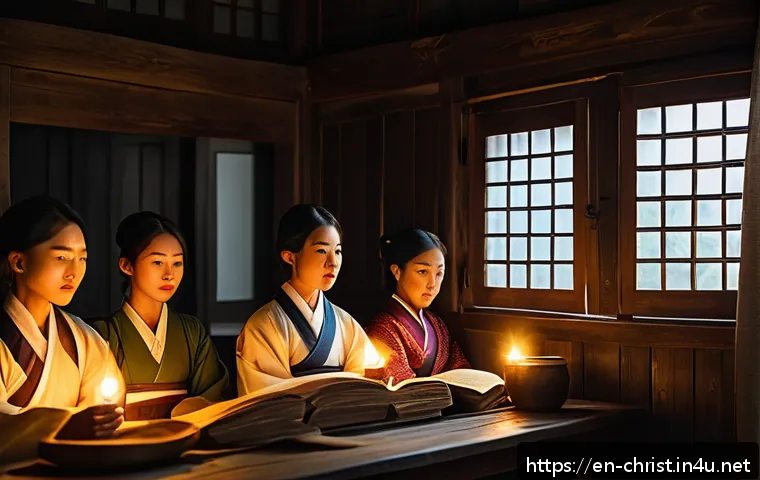
Exploring the rich spiritual landscapes of Christianity and Hinduism reveals fascinating contrasts and surprising similarities. Both traditions offer profound insights into the nature of existence, morality, and the divine, yet their beliefs and practices have evolved through vastly different cultural and historical contexts.
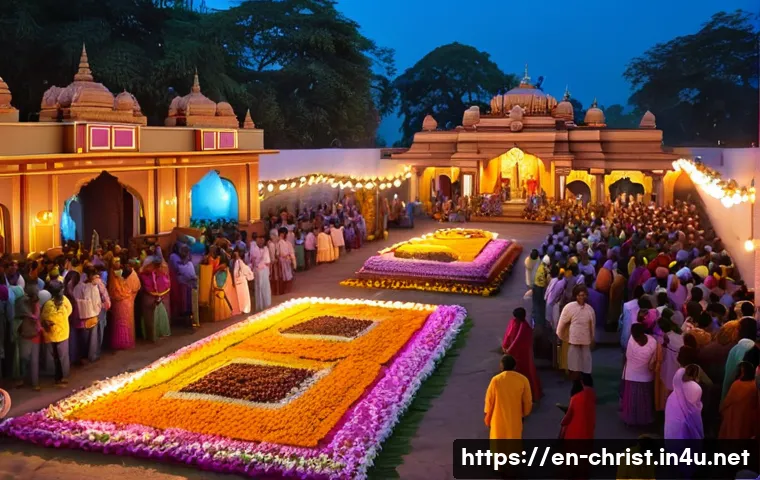
Understanding these religions helps us appreciate the diversity of human faith and the ways people seek meaning in their lives. Whether it’s the monotheistic focus of Christianity or the diverse deities and philosophies of Hinduism, each offers unique perspectives worth exploring.
Let’s dive deeper and uncover the key differences and connections between these two ancient faiths!
Foundations of Belief and the Divine
Concept of God and Ultimate Reality
Christianity centers on a singular, all-powerful God who is both creator and sustainer of the universe. This monotheistic view emphasizes a personal relationship with God, who is loving, just, and transcendent.
In contrast, Hinduism embraces a more complex understanding of divinity, incorporating monotheism, polytheism, and pantheism. The concept of Brahman, the ultimate, formless reality, underlies many Hindu philosophies, while countless deities represent various aspects of the divine.
This diversity allows for a broad spectrum of worship and theological interpretation, reflecting a rich spiritual tapestry.
Scriptures and Sacred Texts
Christian sacred texts revolve primarily around the Bible, consisting of the Old and New Testaments. The Bible serves as the authoritative source for doctrine, ethics, and spiritual guidance, often viewed as divinely inspired.
Hinduism, on the other hand, does not have a single canonical text but a vast collection of scriptures such as the Vedas, Upanishads, Bhagavad Gita, and Ramayana.
These texts vary in purpose, style, and age, offering philosophical insights, mythological narratives, and ritual instructions. The multiplicity of texts in Hinduism reflects its layered and evolving spiritual traditions.
Pathways to Spiritual Fulfillment
Christianity teaches salvation through faith in Jesus Christ, emphasizing grace, repentance, and redemption. The path is often understood as a personal transformation aligning one’s life with God’s will.
Hinduism offers multiple yogic paths—Bhakti (devotion), Jnana (knowledge), Karma (action), and Raja (meditation)—each catering to different temperaments and spiritual goals.
This pluralism allows practitioners to choose their spiritual journey, whether through devotion to a deity, self-inquiry, righteous living, or disciplined meditation.
Ritual Practices and Worship Styles
Communal Worship and Liturgy
In Christianity, communal worship typically occurs in churches and follows a structured liturgy with prayers, hymns, sermons, and sacraments such as Communion.
These rituals foster community cohesion and spiritual reflection. Hindu worship, or puja, can take place both in temples and homes, often involving offerings, chanting, and elaborate ceremonies.
The flexibility in Hindu worship allows for both grand public festivals and intimate personal devotion, reflecting the religion’s adaptability to individual and collective needs.
Festivals and Holy Days
Christianity celebrates key events like Christmas and Easter, commemorating the birth and resurrection of Jesus Christ. These holidays are marked by special services, family gatherings, and charitable acts.
Hindu festivals, such as Diwali, Holi, and Navaratri, are vibrant and diverse, celebrating seasonal cycles, mythological stories, and cultural heritage.
These festivals often involve music, dance, feasting, and ritual performances, deeply ingrained in community life.
Role of Clergy and Spiritual Guides
Christian clergy, including priests, ministers, and pastors, play central roles in guiding congregations, administering sacraments, and interpreting scripture.
Their formal training and ordination signify authority and responsibility. Hindu spiritual leadership is more varied, ranging from priests who perform rituals to gurus who provide personal spiritual mentorship.
The guru-disciple relationship is highly valued, emphasizing experiential wisdom and direct transmission of knowledge.
Ethical Teachings and Moral Frameworks
Concepts of Sin and Virtue
Christianity frames ethics largely around the concepts of sin and redemption, where moral failings separate individuals from God. Virtue is cultivated through adherence to biblical commandments and Christ-like love.
Hindu ethics are rooted in Dharma, a complex idea encompassing duty, righteousness, and cosmic order. Actions are evaluated based on their alignment with Dharma and their consequences for karma, influencing future rebirths.
Social Responsibilities and Justice
Christian teachings often stress compassion, charity, and social justice, encouraging believers to care for the marginalized and work towards equity. Many Christian communities actively engage in humanitarian efforts and advocacy.
Hinduism’s social ethics have historically included the varna and caste systems, which have been sources of controversy and reform. Nonetheless, principles like Ahimsa (non-violence) and Seva (selfless service) inspire many to pursue social harmony and spiritual upliftment.
Personal Transformation and Discipline
Both traditions emphasize inner change as essential to spiritual growth. Christianity encourages prayer, confession, and the fruit of the Spirit, such as patience and kindness.
Hinduism offers a range of disciplines—meditation, fasting, mantra chanting—that cultivate self-control and enlightenment. These practices reveal a shared understanding that ethical living is inseparable from spiritual development.
Life, Death, and the Afterlife
Views on Mortality and Immortality
Christianity teaches that human life is unique and sacred, with an eternal soul that faces judgment after death. Heaven and hell represent ultimate destinations based on faith and moral conduct.
Hinduism embraces the cycle of birth, death, and rebirth (samsara), where the soul’s journey continues until liberation (moksha) is achieved. This cyclical view offers a long-term perspective on existence and spiritual progress.
Rituals Surrounding Death
Christian funerals typically include prayers, scripture readings, and rites aimed at comforting the living and honoring the deceased’s soul. The belief in resurrection shapes these ceremonies profoundly.
Hindu death rites involve cremation, rituals to aid the soul’s transition, and memorial services that reflect a belief in reincarnation and ancestral connection.
Both traditions use these rituals to address grief and affirm faith.
Hope and Ultimate Fulfillment
Christian hope centers on the promise of eternal life with God, a restored creation, and the defeat of evil. This hope influences believers’ outlook on suffering and justice.
Hindu hope is expressed in the aspiration for moksha, freedom from the cycle of rebirth, and union with the divine essence. While different in form, both faiths encourage adherents to live with purpose and trust in a transcendent reality.
Interpersonal and Communal Expressions

Community Life and Identity
Christian communities often emphasize shared worship, moral accountability, and outreach, creating strong bonds through congregational life. Church activities provide social support, education, and charity.
Hindu community life is more decentralized, with local temples and festivals serving as focal points. Family and caste ties also play significant roles, weaving spiritual practice into everyday social structures.
Pilgrimage and Sacred Spaces
Pilgrimage is vital in both religions but takes different forms. Christians may journey to sites like Jerusalem, Rome, or Lourdes, seeking spiritual renewal.
Hinduism offers countless pilgrimage destinations, each with unique significance—Varanasi on the Ganges, Rishikesh in the Himalayas, or Tirupati’s temple.
These journeys embody devotion, penance, and connection to sacred geography.
Music, Art, and Symbolism
Christian art and music—from stained glass to hymns—express theological truths and inspire worship. Symbols like the cross and fish carry deep meaning.
Hinduism’s rich visual and performing arts, including temple architecture, dance, and iconography, communicate stories and spiritual ideals. Both traditions harness creativity to deepen faith and communal identity.
Comparative Overview of Key Aspects
| Aspect | Christianity | Hinduism |
|---|---|---|
| Divine Concept | One God (Trinity) | Brahman (Ultimate Reality), many deities |
| Sacred Texts | Bible (Old & New Testament) | Vedas, Upanishads, Bhagavad Gita, others |
| Salvation | Faith in Jesus Christ | Moksha through various yogic paths |
| Worship | Church services, sacraments | Puja, rituals in temples and homes |
| Afterlife | Heaven and hell | Reincarnation and liberation |
| Ethics | Sin and redemption, Ten Commandments | Dharma, karma, Ahimsa |
| Clergy | Priests, pastors | Priests, gurus |
| Festivals | Christmas, Easter | Diwali, Holi, Navaratri |
Philosophical Depth and Mystical Traditions
Theology and Philosophy
Christian theology has developed through centuries of debate, focusing on the nature of God, Christ’s divinity, and human salvation. Philosophers like Augustine and Aquinas shaped Christian thought, emphasizing reason and faith.
Hindu philosophy includes diverse schools—Advaita Vedanta, Samkhya, Yoga—that explore metaphysics, consciousness, and liberation. This intellectual richness offers profound reflections on existence and spirituality.
Mysticism and Personal Experience
Christian mysticism, seen in figures like Teresa of Avila and John of the Cross, explores intimate union with God through prayer and contemplation. Similarly, Hindu mysticism emphasizes direct experience of the divine through meditation, mantra, and self-realization.
Both traditions value these personal encounters as transformative and central to spiritual life.
Modern Adaptations and Global Influence
Today, both Christianity and Hinduism adapt to contemporary challenges and global contexts. Christianity’s missionary work and ecumenical movements promote dialogue and social justice.
Hinduism’s diaspora communities maintain tradition while engaging with modernity, contributing to yoga’s global popularity. These dynamic interactions show how ancient faiths remain vibrant and relevant.
Gender Roles and Social Dynamics
Women’s Roles in Religious Life
Christianity presents a complex picture: while some denominations ordain women and emphasize gender equality, others maintain traditional roles. Women have historically contributed as saints, mystics, and leaders.
Hinduism also reflects varied roles, with goddesses symbolizing divine feminine power and women participating in rituals and festivals. However, social customs and reform movements continue to shape women’s religious experiences.
Marriage, Family, and Community
Both religions regard marriage as sacred but approach it differently. Christianity often emphasizes the sacrament of marriage as a lifelong covenant. Hindu marriage rituals are elaborate and culturally significant, incorporating symbolism of unity and duty.
Family structures in both traditions deeply influence moral education and community belonging.
Challenges and Progress
Contemporary discussions in both faiths address gender equality, social justice, and inclusion. Progressive voices advocate for reinterpretations of scriptures and traditions to empower marginalized groups.
These ongoing dialogues reveal faith as a living, evolving force shaped by human experience and aspiration.
Conclusion
Exploring the foundations of belief in Christianity and Hinduism reveals both rich diversity and profound common ground. Each tradition offers unique perspectives on the divine, ethics, and spiritual growth, inviting deeper understanding and respect. By appreciating their complexities, we gain insight into how faith shapes lives and communities worldwide. This comparative reflection encourages open-mindedness and meaningful dialogue across cultures.
Useful Information to Know
1. Christianity centers on one God who embodies love, justice, and transcendence, while Hinduism embraces a spectrum of divine expressions including Brahman and numerous deities.
2. Sacred texts differ greatly: the Bible guides Christian doctrine, whereas Hinduism draws from a vast array of scriptures like the Vedas and Bhagavad Gita.
3. Worship practices range from structured church liturgies to flexible Hindu pujas, both fostering community and personal devotion.
4. Ethical teachings focus on sin and redemption in Christianity, contrasted with Dharma and karma in Hinduism, shaping moral life and social responsibility.
5. Views on life after death vary, with Christianity emphasizing eternal judgment and Hinduism highlighting reincarnation and liberation.
Key Takeaways
Understanding these two major world religions requires recognizing their distinct beliefs about the divine and spiritual paths, as well as their shared emphasis on personal transformation and community. Rituals and festivals serve not only as expressions of faith but also as ways to build social bonds. Ethical frameworks guide adherents toward meaningful lives, while attitudes toward gender and social roles continue to evolve within both traditions. Appreciating this complexity helps foster respect and enriches our global cultural awareness.
Frequently Asked Questions (FAQ) 📖
Q: What are the main differences between Christianity and Hinduism in terms of belief about God?
A: Christianity is fundamentally monotheistic, centering on the belief in one God who is personal, omniscient, and omnipotent. Christians believe in the Holy Trinity—Father, Son, and Holy Spirit—as one God in three persons.
Hinduism, on the other hand, is more diverse in its approach to divinity. It embraces a wide range of beliefs from monotheism to polytheism and pantheism, with many gods and goddesses representing different aspects of the ultimate reality, Brahman.
This diversity allows followers to worship deities that resonate with their personal faith and cultural background.
Q: How do the moral teachings of Christianity and Hinduism compare?
A: Both Christianity and Hinduism emphasize living a moral life, but they approach it differently. Christianity teaches moral principles based on the teachings of Jesus Christ, focusing on love, forgiveness, and the Ten Commandments as a guide for ethical behavior.
Hinduism promotes dharma, which refers to duty, righteousness, and living in harmony with cosmic law. Karma, the law of cause and effect, plays a crucial role, encouraging individuals to act righteously to ensure favorable outcomes in this life and future rebirths.
While Christianity often frames morality within a relationship with God, Hinduism integrates it with the cycle of life, death, and rebirth.
Q: Can someone find common ground between Christianity and Hinduism despite their differences?
A: Absolutely. Although Christianity and Hinduism come from different cultural and historical backgrounds, they share profound spiritual insights that can resonate across faiths.
Both traditions explore the nature of existence, the importance of compassion, and the pursuit of a meaningful life. Many people find inspiration in the emphasis both place on love, service, and the transformation of the self.
Personally, I’ve seen how exploring these religions side by side can deepen one’s understanding of spirituality and highlight the universal quest for truth and connection.